
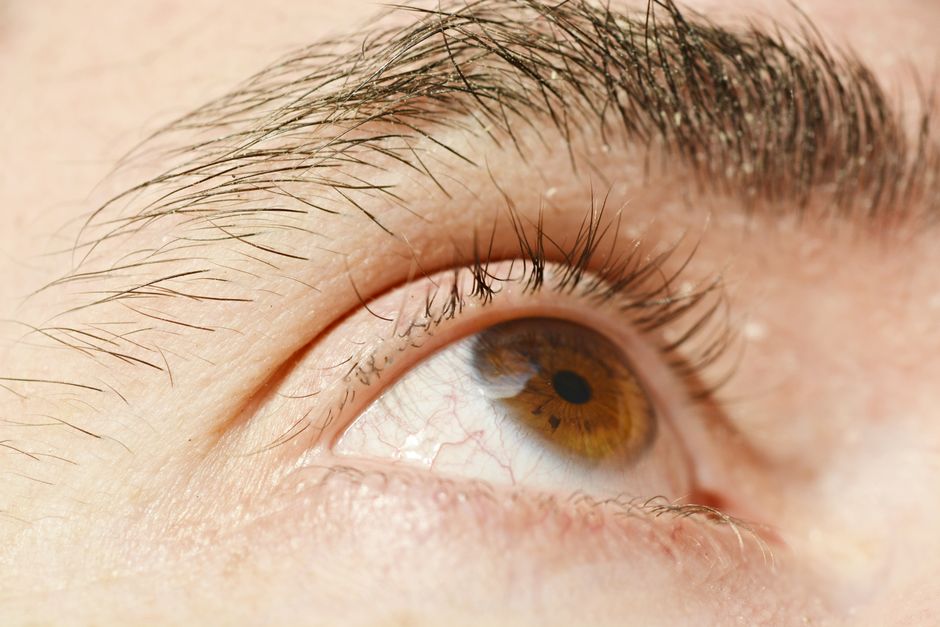
Your eyes are built to last a lifetime, and most of the daily damage they face is preventable. The core habits that protect eyesight are simple: wear sunglasses outdoors, follow the 20-20-20 rule during screen work, eat foods rich in specific eye nutrients, avoid smoking, and get regular dilated eye exams. None of these require special equipment or expense. What they require is consistency, because the conditions that steal vision — cataracts, glaucoma, macular degeneration, diabetic retinopathy — develop slowly and silently over years.
How To Protect Your Eyesight Simple Daily Habits That Actually Work
The most effective habits target the known causes of vision loss, not vague notions of “eye health.”
Ultraviolet light damages the lens and retina over decades. A hat and sunglasses that block 99 to 100 percent of UVA and UVB rays reduce that cumulative exposure. This is one of the few protective measures with broad agreement among eye care professionals.
Screen-related eye strain is real but different from damage. Staring at a screen reduces blink rate, which dries the eye surface and causes burning, blurring, and fatigue. The 20-20-20 rule — every 20 minutes, look at something 20 feet away for 20 seconds — gives the focusing muscles a break and prompts blinking. It treats discomfort, not disease.
Smoking is the single most modifiable risk factor for several eye diseases. It roughly doubles the risk of age-related macular degeneration and increases cataract risk. Quitting reduces that risk over time, though the benefit accumulates gradually rather than immediately.
Blood sugar and blood pressure control matter more than most people realize. Diabetes is a leading cause of blindness in working-age adults in the United States. Chronically high blood pressure damages the small vessels in the retina. Keeping both in a healthy range protects the eye’s blood supply.
- Wear UV-blocking sunglasses and a brimmed hat outdoors
- Use the 20-20-20 rule during prolonged screen work
- Do not smoke, and avoid secondhand smoke
- Keep blood sugar and blood pressure in a healthy range
- Get dilated eye exams on the schedule your eye doctor recommends
Does the 20-20-20 Rule Really Protect Your Eyes?
The 20-20-20 rule relieves eye strain. It does not prevent nearsightedness or eye disease. That distinction matters, because the rule is often marketed as broader protection than the evidence supports.
When you focus on a screen, the ciliary muscle inside the eye stays contracted and your blink rate drops. Blinking spreads the tear film that keeps the cornea moist and clear. Fewer blinks mean a drier, more irritated surface. Looking into the distance relaxes the focusing muscle. A deliberate blink restores the tear film.
What the rule does not do is change the physical shape of the eye or halt progressive myopia. Some research suggests that time spent outdoors may slow myopia progression in children, but that is a separate effect from screen breaks. The evidence for outdoor time and myopia is stronger than the evidence for any screen-break protocol.
Other comfort measures that help: position the screen slightly below eye level, keep it about an arm’s length away, reduce overhead glare, and use lubricating drops if your eyes feel dry. If strain persists despite these steps, an eye exam can rule out an uncorrected vision problem or dry eye disease.
Which Nutrients Actually Support Eye Health?
Two carotenoids — lutein and zeaxanthin — concentrate in the macula, the part of the retina responsible for sharp central vision. They appear to filter blue light and act as antioxidants. This is well established biochemistry.
Whether supplementing them prevents disease is a different question. The Age-Related Eye Disease Study, known as AREDS, found that a specific high-dose formula of vitamins C and E, beta-carotene, zinc, and copper reduced progression to advanced macular degeneration in people who already had intermediate disease. A follow-up study, AREDS2, replaced beta-carotene with lutein and zeaxanthin. These formulas are for people with existing macular degeneration, not for general prevention in healthy eyes.
Food sources are the safer foundation. Leafy greens like spinach and kale, egg yolks, corn, and colorful vegetables supply lutein and zeaxanthin. Orange and yellow produce, along with fatty fish, provide related nutrients. The USDA lists the following approximate lutein and zeaxanthin content per cup, cooked:
| Food (1 cup, cooked) | Lutein + Zeaxanthin (approx.) |
|---|---|
| Kale | ~23 mg |
| Spinach | ~20 mg |
| Swiss chard | ~19 mg |
| Corn | ~2 mg |
| Broccoli | ~1.5 mg |
No established guideline sets a required daily intake for lutein and zeaxanthin. A diet rich in these foods is reasonable and low risk. High-dose supplements are a medical decision best discussed with a doctor, especially because beta-carotene supplements have been linked to increased lung cancer risk in smokers.



Why Are Regular Eye Exams So Important?
Many serious eye diseases cause no symptoms until damage is advanced and irreversible. That is the entire reason routine exams exist.
Glaucoma destroys peripheral vision first. Most people do not notice it until significant optic nerve damage has occurred, and lost vision cannot be restored. Diabetic retinopathy can progress silently before it affects sight. Macular degeneration may begin without obvious changes. A dilated exam lets an eye doctor see the retina, optic nerve, and blood vessels directly — structures no other routine test can visualize this way.
General guidance from eye care organizations recommends a comprehensive dilated exam every one to two years for adults, with frequency adjusted for age, risk factors, and findings. People with diabetes may need annual exams, sometimes more often. Anyone with a family history of glaucoma, a personal history of eye disease, or new symptoms should follow their doctor’s specific schedule.
Warning signs that warrant prompt attention, not waiting for a routine visit:
- Sudden flashes of light or a shower of new floaters
- A curtain or shadow across part of your vision
- Sudden vision loss in one eye
- Eye pain with redness or nausea
- New distortion where straight lines look wavy
These can signal retinal detachment, acute glaucoma, or other emergencies where hours matter.
Can Lifestyle Choices Slow Vision Loss With Age?
Some age-related changes are unavoidable. The lens stiffens and loses flexibility, which is why reading glasses become necessary in midlife. That is normal, not disease.
What you can influence is the risk of the diseases that cause most severe vision loss. Beyond smoking, blood sugar, and blood pressure, several factors appear relevant. Physical activity and a diet pattern rich in vegetables, fruit, and fish are associated with lower risk of macular degeneration in observational studies. These studies show association, not proof of cause, but the pattern is consistent.
Weight matters mainly through its link to diabetes, which is a direct threat to the retina. Protecting your eyes from injury — wearing safety glasses during sports, yard work, and home repair — prevents a category of vision loss that is entirely avoidable.
One often overlooked point: the eyes are a window into the body’s blood vessels. An eye doctor can sometimes spot signs of diabetes, high blood pressure, or high cholesterol before other symptoms appear. That makes an eye exam a general health check as much as a vision check.
Do Blue Light Glasses or Eye Exercises Protect Vision?
Blue light blocking glasses are widely sold. The evidence that they prevent eye damage is weak. Screens emit far less blue light than the sun, and the main problem with screens is strain and dryness, not retinal damage from blue light.
Some studies suggest blue light filters may slightly reduce eye strain or improve sleep when used in the evening, but results are mixed and the effect sizes are small. If they help you feel more comfortable, there is little harm. They should not replace the habits that do have stronger support.
Eye exercises are a mixed category. Vision therapy guided by a professional can help specific conditions like convergence insufficiency, where the eyes struggle to work together. General “eye exercise” programs sold to improve vision or eliminate the need for glasses have no solid evidence behind them. The eye is not a muscle you can train like a bicep to change its focus.
The honest summary: prioritize the boring, proven habits. Sun protection, screen breaks, not smoking, controlling blood sugar and blood pressure, and showing up for exams. Those do more than any gadget.
Frequently Asked Questions
Can I improve my eyesight naturally?
You cannot reverse refractive errors like nearsightedness through diet or exercises, and no evidence supports claims that you can. You can protect against disease-related vision loss through the daily habits described here.
How often should I get an eye exam?
General guidance suggests a comprehensive dilated exam every one to two years for adults, with frequency adjusted for your age and risk factors. People with diabetes may need annual exams or more often.
Do carrots really improve eyesight?
Carrots provide vitamin A, which the retina needs, but eating extra carrots will not sharpen vision or prevent glasses. Severe vitamin A deficiency causes blindness, which is rare in countries where diets include enough of it.
Are blue light glasses worth it?
The evidence that they prevent eye damage is weak, since screens emit far less blue light than sunlight. They may slightly reduce strain for some people, but they do not replace proven habits.
