
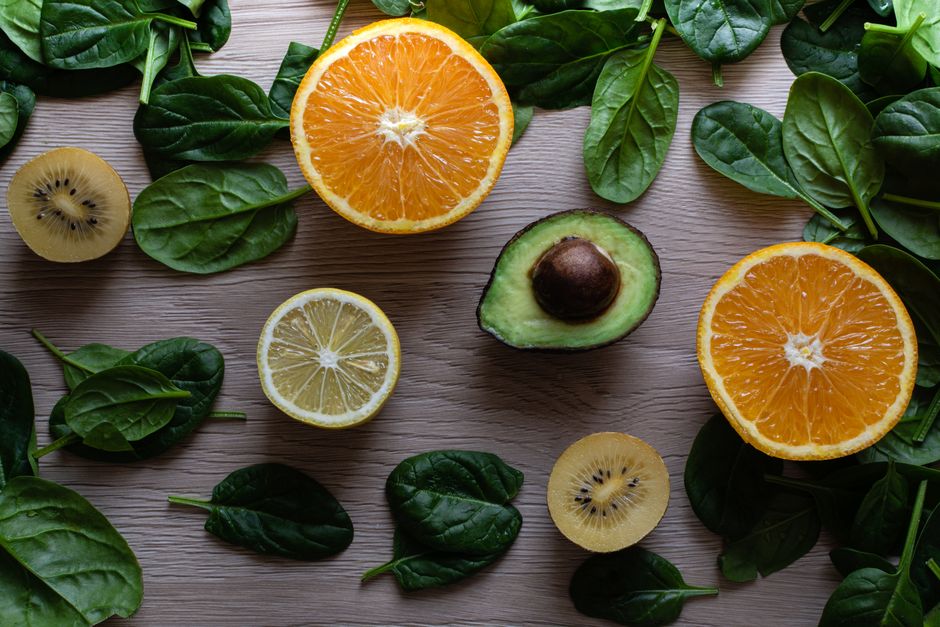
Vitamin E is a fat-soluble nutrient that protects cells from oxidative damage, and the retina — the light-sensing tissue at the back of the eye — is especially vulnerable to that kind of stress. The most reliable way to get vitamin E for eye health is through food. Nuts, seeds, and vegetable oils are the richest sources. For most adults, a standard multivitamin or a diet containing these foods covers the recommended daily amount, and there is no strong evidence that high-dose vitamin E supplements prevent common eye diseases like cataracts or age-related macular degeneration.
What Does Vitamin E Actually Do For The Eyes?
Vitamin E is a family of compounds, and the form the human body uses is alpha-tocopherol. Its main job is to act as an antioxidant — it neutralizes free radicals, which are unstable molecules that can damage cell membranes.
The retina is packed with polyunsaturated fatty acids, which are especially prone to oxidation. This is one reason researchers have long suspected that antioxidants like vitamin E might help protect vision. That reasoning is sound at the level of basic biology. But biological plausibility is not the same as proven clinical benefit, and the human trials have been less encouraging than the theory suggests.
What vitamin E does not do is correct refractive errors, treat infections, or reverse damage that has already occurred. It is a nutrient the body needs, not a therapy for eye disease.
How To Use Vitamin E For Eyes Foods Supplements?
Food first, supplement only if your diet falls short. That is the practical answer most dietitians and ophthalmologists would give. Vitamin E is easy to get from everyday foods, and the body absorbs it best alongside other fats in a meal.
The recommended daily allowance for vitamin E is 15 milligrams of alpha-tocopherol for adults. This is the amount set by the Food and Nutrition Board of the National Academies. Most people who eat a varied diet meet it without trying.
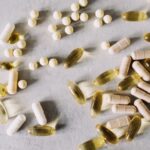
If you do take a supplement, keep it simple. A multivitamin or a low-dose vitamin E capsule is generally enough to fill a gap. High-dose single supplements are a different story, and the evidence there is genuinely mixed — see the risks section below.
Rich Food Sources Of Vitamin E
- Wheat germ oil — one of the most concentrated sources
- Sunflower seeds and sunflower oil
- Almonds and hazelnuts
- Safflower and soybean oil
- Peanuts and peanut butter
- Spinach and other dark leafy greens
- Avocado
A small handful of almonds or sunflower seeds, or a tablespoon of sunflower oil used in cooking, goes a long way toward the daily target. The exact amount varies by food and portion, so use the USDA FoodData Central database if you want precise numbers for a specific item.
Can Vitamin E Supplements Prevent Cataracts Or Macular Degeneration?
No large, well-designed human trial has shown that vitamin E supplements prevent cataracts or age-related macular degeneration in generally healthy people. This is one of the most important things to understand about this topic, because it runs against a lot of marketing.
Several large trials have tested antioxidant supplements, including vitamin E, for eye disease prevention. The results have largely been null — meaning the supplements did not reduce the risk of developing these conditions compared with placebo. Some trials even suggested possible harm at high doses, which is discussed below.
The Age-Related Eye Disease Study (AREDS) is often cited in this space. It tested a specific combination of nutrients — vitamins C and E, beta-carotene, zinc, and copper — in people who already had intermediate or advanced AMD. That formulation showed a benefit in slowing progression in that specific group. It is important to note that this was a combination formula, not vitamin E alone, and it was studied in people who already had the disease, not as a prevention strategy for the general population.
If you have been diagnosed with AMD, that is a conversation to have with your eye doctor. Self-prescribing high-dose vitamin E based on headlines is not supported by the evidence.
How Much Vitamin E Is Too Much?
Vitamin E from food is not associated with toxicity. The concern is with supplements, and specifically with high doses taken over long periods.
The tolerable upper intake level for adults is 1,000 milligrams per day of supplemental alpha-tocopherol. That is the level set by the National Academies as the maximum unlikely to cause harm in most people. Exceeding it raises the risk of bleeding, because vitamin E can interfere with blood clotting.
This matters most for people who take blood-thinning medications like warfarin, or who have a bleeding disorder. High-dose vitamin E can increase bleeding risk and may interact with these drugs. If you take a blood thinner, talk to your doctor before adding any vitamin E supplement.
Some research has also raised questions about whether very high doses of vitamin E increase the risk of certain health problems, including prostate cancer in men. The evidence is not fully settled, but it is a reason for caution rather than enthusiasm about megadoses.
Do You Need A Supplement If You Eat Well?
Probably not. True vitamin E deficiency is rare in healthy adults who eat a normal diet. It is seen mainly in people with fat malabsorption conditions, such as cystic fibrosis or certain liver diseases, where the body cannot absorb fat-soluble vitamins properly.
Certain groups may be more likely to fall short:
- People on very low-fat diets
- People with fat malabsorption disorders
- Some older adults with poor diets
For these groups, a doctor can check levels and advise on whether a supplement is needed. For everyone else, a diet that includes nuts, seeds, and vegetable oils is the sensible approach.
What About Vitamin E And Dry Eye Or Other Conditions?
The evidence for vitamin E in dry eye, glaucoma, or diabetic eye disease is limited. Some small studies have looked at antioxidant combinations for dry eye, but results are not consistent enough to support a clear recommendation.
This is a common pattern in nutrition research. Small studies hint at possible benefits, but when larger, better-controlled trials are done, the effects often shrink or disappear. That does not mean the nutrient is useless — it means we should be honest that the proof is not there yet.
If you have a specific eye condition, the most reliable path is to follow the guidance of an eye care professional rather than self-treating with supplements based on preliminary research.
Is Food Or A Supplement Better For Eye Health?
Food is the better choice for most people, for reasons that go beyond vitamin E itself. Whole foods deliver a mix of nutrients that work together, and they come with fiber, healthy fats, and other compounds that supplements do not replicate.
There is also a practical issue with supplements. The body regulates absorption of vitamins from food more carefully than from pills. When you take a high-dose supplement, you can end up with blood levels far above what any diet would produce — and more is not always better.
That said, supplements have a place. If a doctor identifies a deficiency, or if someone cannot get enough from food due to a medical condition, a supplement is appropriate. The key is that it should be a targeted fix, not a default habit.
The Bottom Line On Vitamin E And Your Eyes
Vitamin E is a genuine nutrient your eyes need, and getting it from food is straightforward. Nuts, seeds, and vegetable oils cover the daily requirement for most adults.
What the evidence does not support is the idea that high-dose vitamin E supplements protect against cataracts or macular degeneration in healthy people. The trials have mostly come back negative, and high doses carry real risks, especially for people on blood thinners.
If you are considering a supplement for an eye condition, talk to your doctor first. For everyone else, a handful of almonds and a diet rich in plant oils is a reasonable, evidence-aligned way to cover your bases.
Frequently Asked Questions
What foods are highest in vitamin E for eye health?
Wheat germ oil, sunflower seeds, almonds, and sunflower or safflower oil are among the richest sources. A small handful of nuts or seeds most days is enough to meet the recommended intake for most adults.
Can vitamin E supplements improve my vision?
No large human trial has shown that vitamin E supplements improve vision or prevent common eye diseases in healthy people. The evidence does not support using them for that purpose.
How much vitamin E do I need per day?
The recommended daily allowance for adults is 15 milligrams of alpha-tocopherol. Most people meet this through a normal diet without needing a supplement.
Is it safe to take high-dose vitamin E?
The tolerable upper intake level is 1,000 milligrams per day for supplemental alpha-tocopherol in adults. Higher doses can increase bleeding risk, especially for people taking blood thinners.
Should I take vitamin E if I have macular degeneration?
The AREDS formula, which includes vitamin E along with other nutrients, showed benefit in people with intermediate or advanced AMD. This is a decision to make with your eye doctor, not on your own.
