
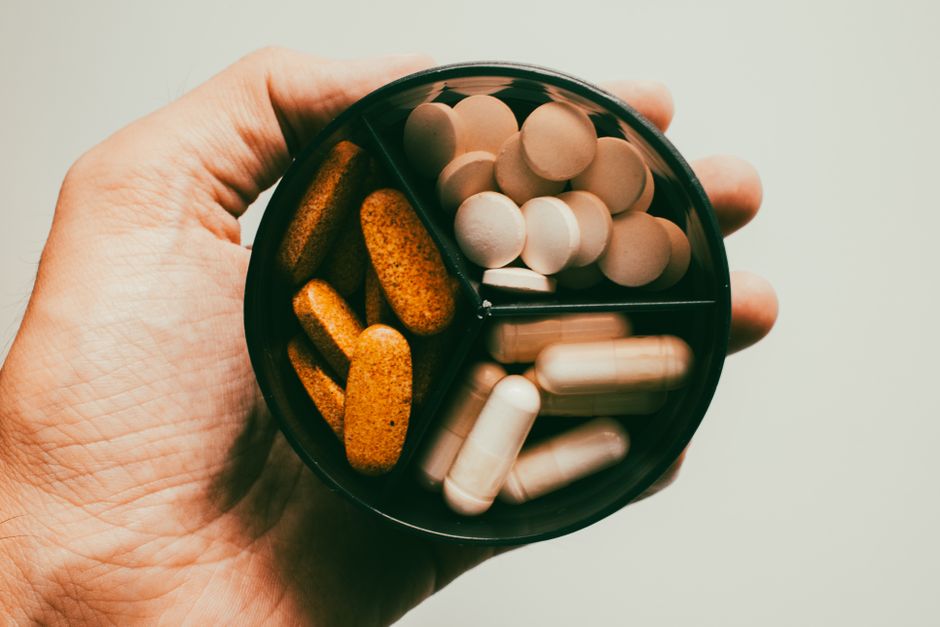
Creatinine is a waste product your muscles make every day, and your kidneys filter it out of your blood. When blood creatinine rises, it usually means kidney filtering has slowed — not that you need a supplement. No vitamin, herb, or powder has been proven in large human trials to lower creatinine by improving kidney function. A few supplements are marketed for this, and the evidence behind them is thin. Some are harmless. A few can be dangerous for people with kidney disease.
What Does a High Creatinine Level Actually Mean?
Creatinine comes from creatine, a compound stored in your muscles that helps them produce quick bursts of energy. As muscles use and rebuild creatine, a steady amount of creatinine is released into the blood. Healthy kidneys remove most of it, and the amount leaving your body in urine each day roughly matches what your muscles produce.
Because that production rate is fairly steady, blood creatinine is a useful indirect signal of how well the kidneys are filtering. The normal range varies by lab, but commonly sits around 0.6 to 1.3 mg/dL for adults. It tends to run higher in men and in people with more muscle mass, and lower in older adults and people with less muscle.
Here is the part many people miss. A single high creatinine result does not diagnose kidney disease. It can rise temporarily from dehydration, a high-protein meal, intense exercise, or certain medications. It also rises normally with age as muscle mass declines and kidney filtration gradually drops. Doctors usually confirm any concern with repeat testing and an estimated glomerular filtration rate (eGFR), which accounts for age and sex.
This matters because the search for a supplement often starts with one lab result that may not mean what the person thinks it means.
What Supplements Can Lower Creatinine Levels?
None have strong clinical evidence showing they lower creatinine by improving kidney function. That is the honest starting point. Some substances have been studied for possible effects on kidney markers, but the research is generally small, mixed, or not designed to prove cause and effect.
A few that come up most often:
- Creatine supplements. These can raise blood creatinine without harming the kidneys. Creatine breaks down into creatinine, so taking it adds to the pool your kidneys filter. This is a lab artifact, not kidney damage, but it can confuse results.
- Astragalus. A traditional herb sometimes promoted for kidney support. Some small studies suggest possible effects, but the evidence is not strong enough to recommend it, and product quality varies widely.
- Cordyceps. A fungus marketed for kidney and energy support. Human evidence for lowering creatinine is limited and inconsistent.
- Chitosan and similar “binder” products. Marketed to soak up waste products in the gut. No reliable human trials confirm they lower creatinine.
- Vitamin D. Low vitamin D is common in chronic kidney disease, and correcting a deficiency is reasonable care. But vitamin D is not a treatment to lower creatinine itself.
If a product promises to “flush” creatinine or “cleanse” the kidneys, ask what trial supports that. In most cases, none does.
Why the “Lower Creatinine” Supplement Market Is Misleading
Creatinine is a marker, not the problem. Lowering the number without improving how the kidneys work does not help anyone. You could lower a lab value by changing what the test measures — for example, by losing muscle mass — and be worse off.
Some products work this way. Certain supplements and teas act as diuretics, pushing out fluid and temporarily diluting or shifting lab values. That is not kidney repair. It can also be risky. Dehydration concentrates the blood and can actually raise creatinine, and it stresses kidneys that are already struggling.
Others contain herbs that have been linked to kidney injury in some people. The same product sold as “kidney support” can, in rare cases, harm the kidneys. This is why anyone with reduced kidney function should treat kidney-related supplements with real caution and talk to a doctor first.
There is also a labeling problem. In the United States, dietary supplements are not reviewed for effectiveness before they are sold. What is on the label may not match what is in the bottle, and doses can vary between batches.





What Actually Affects Your Creatinine Level?
Everyday factors move creatinine more than any supplement does. Understanding them helps you read your own results.
- Hydration. Dehydration raises creatinine. Drinking enough fluid keeps it steadier.
- Muscle mass. More muscle means more creatinine. This is normal and not a sign of disease.
- Protein intake. A large meat-heavy meal can raise creatinine slightly in the short term.
- Intense exercise. Hard training, especially with heavy weights, can push creatinine up for a day or so.
- Medications. Some common drugs raise creatinine. Certain blood pressure medicines in the ACE inhibitor and ARB classes can cause a small, often expected rise. Others, including some pain relievers, can stress the kidneys with heavy or long-term use.
- Creatine supplements. As noted, these raise the number directly.
If your creatinine is high, the more useful questions are about fluid, medications, and kidney function — not which bottle to buy.
When Creatinine Levels Need Medical Care, Not Supplements
Kidney disease is often silent in its early stages. That is why a rising creatinine deserves a doctor’s attention rather than a self-treatment plan.
See a clinician if creatinine is persistently above the normal range, if it is rising over time, or if you have symptoms such as swelling in the legs and ankles, fatigue, changes in urination, or puffiness around the eyes. People with diabetes, high blood pressure, or a family history of kidney disease should be tested regularly, because these conditions are leading causes of kidney damage.
Established care for kidney disease focuses on controlling blood pressure and blood sugar, managing diet, avoiding kidney-harming drugs, and treating the underlying cause. In some cases, specific prescription medications are used to slow kidney disease progression. These are medical decisions, not supplement decisions.
No supplement replaces that care. If you already have reduced kidney function, adding an unproven product can do harm, and some supplements interact with prescription medicines.
Can Diet or Lifestyle Lower Creatinine?
Diet and lifestyle can support kidney health, but they work mainly by protecting the kidneys rather than by directly lowering creatinine.
Staying well hydrated, keeping blood pressure in a healthy range, managing blood sugar, and not smoking all reduce strain on the kidneys over time. A diet with plenty of vegetables and controlled salt is generally recommended for kidney health. Very high protein intake can raise creatinine and may not be wise for people with existing kidney disease.
One important caution: some popular “kidney cleanse” diets and high-dose herbal regimens have been linked to kidney injury. More is not better here. If you have any degree of kidney impairment, dietary changes should be guided by a doctor or a registered dietitian who knows your labs.
What Should You Do If You Want to Lower Your Creatinine?
Start with your doctor, not a supplement. Ask what your creatinine and eGFR actually mean, whether the result needs to be repeated, and whether any of your medications could be affecting it.
Before adding any supplement, tell your clinician what you are considering. Bring the bottle. Some products are harmless but useless. Others carry real risk for people with kidney disease. A short conversation prevents most of the trouble.
If you take creatine for training and your creatinine looks high, mention it. Your doctor can interpret the result correctly instead of chasing a false alarm.
Frequently Asked Questions
Do any supplements actually lower creatinine?
No supplement has strong clinical evidence showing it lowers creatinine by improving kidney function. Some products are marketed for this, but the supporting research is limited or absent.
Does creatine raise creatinine levels?
Yes, creatine supplements commonly raise blood creatinine because creatine breaks down into creatinine. This is a lab effect and not evidence of kidney damage in healthy people.
Can drinking more water lower creatinine?
Staying hydrated helps keep creatinine steady, and dehydration can raise it. Drinking extra water beyond normal needs has not been shown to lower creatinine in people with healthy kidneys.
Are kidney cleanse supplements safe?
Not necessarily. Some have been linked to kidney injury, and supplements are not reviewed for effectiveness before sale, so quality and dosing can vary. Anyone with reduced kidney function should check with a doctor first.
