
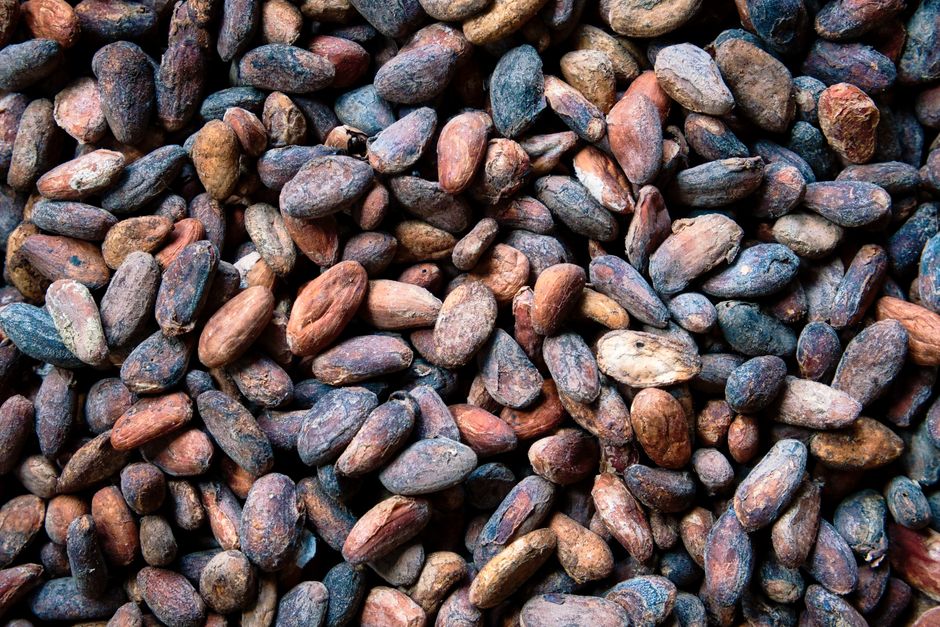
If you eat dark chocolate for the health benefits, you have probably seen a headline warning that cacao contains lead. Here is the honest answer: cacao plants do take up some lead and cadmium from soil and the environment, and testing has found these metals in cocoa products. The levels vary widely by brand, country of origin, and product type, and most people eating normal amounts of chocolate are not at risk. The bigger concern is for heavy daily consumers of dark chocolate and for young children, where even low-level lead exposure matters more.
Does Cacao Have Lead Sources Levels And Safety?
Cacao does contain measurable lead, but the story is more specific than “chocolate is contaminated.” Lead in cocoa comes from two main places: the soil and environment where the tree grows, and the processing and shipping steps after harvest.
Unlike cadmium, which the cacao plant pulls up through its roots from the soil, lead mostly settles onto the outside of the beans. Beans are fermented and dried outdoors, often on the ground or on mats, where they can pick up lead-containing dust and soil. In some regions, lead from industrial pollution or leaded gasoline residue in soil gets into the air and lands on the crop. This is why lead levels can differ a lot between cocoa from different countries, even when the plants themselves are similar.
Cadmium behaves differently. It is taken up by the roots and accumulates in the plant tissue, so it ends up inside the bean. That means cadmium is harder to remove during processing, while lead contamination can sometimes be reduced by cleaning the beans well.
The key point: the presence of lead in cacao is not in dispute. What matters for your health is the amount, how much chocolate you eat, and who is eating it.
How Much Lead Is Actually in Chocolate?
Testing by consumer organizations and independent labs has found a wide range of lead levels across chocolate products. Some dark chocolate bars contain very little. Others contain more. There is no single number that applies to all chocolate.
Several factors drive the differences:
- Cocoa percentage: Dark chocolate with higher cocoa content generally has more lead and cadmium than milk chocolate, simply because it contains more cocoa solids.
- Country of origin: Cocoa from certain regions has been found to carry higher levels of these metals than others, based on soil and environmental conditions.
- Processing: How beans are fermented, dried, and cleaned affects how much lead remains.
- Product type: Cocoa powder, nibs, and dark bars tend to have higher concentrations than milk chocolate or chocolate-flavored products with little actual cocoa.
Because levels vary so much, it is not accurate to say “all dark chocolate is high in lead” or “chocolate is safe.” The truthful position is that some products have tested higher than others, and the range is broad.
One useful clarification: the concern is not a single serving. It is repeated, regular exposure over time, especially from the same high-cocoa products eaten daily.
Is Lead in Cacao a Real Health Risk?
Lead is a well-established neurotoxin. There is no level of lead exposure that has been shown to be completely without risk, especially for children. This is a strong consensus position in public health and toxicology. That is why regulators set limits as low as reasonably achievable rather than declaring a “safe” level.
For most healthy adults eating chocolate occasionally, the lead contribution is small compared to other sources. The main dietary sources of lead exposure in the general population are not chocolate. They include certain imported foods, some spices, water from older plumbing, and lead-based paint dust in older homes.
Where chocolate matters more:
- Children and pregnant women: Because lead affects brain development, even small exposures matter more in these groups. This is a well-established concern, not a fringe one.
- Heavy daily dark chocolate eaters: Someone eating a large amount of high-cocoa dark chocolate every day could accumulate meaningful exposure over time.
- People already exposed to other lead sources: Total body burden adds up across all sources.
The evidence does not show that typical chocolate consumption causes lead poisoning. It also does not support the idea that any amount is proven harmless. The honest framing is that the risk depends on dose, frequency, and who is eating it.





What About Cadmium in Cacao?
Cadmium is often discussed alongside lead because both appear in cocoa, but they behave differently and carry different concerns. Cadmium accumulates in the body over time, particularly in the kidneys, and long-term high exposure is linked to kidney and bone effects.
Like lead, cadmium levels in chocolate vary by origin and cocoa content. Dark chocolate and cocoa powder tend to have more than milk chocolate. Regulatory bodies in different regions have set or proposed maximum levels for cadmium in cocoa and chocolate products, and these limits differ between jurisdictions.
The same principle applies: occasional chocolate is not a meaningful cadmium source for most people. Regular, high-dose consumption of high-cocoa products is where the concern concentrates.
How Do You Lower Your Exposure?
You do not need to give up chocolate to reduce metal exposure. You need to be thoughtful about how much and how often, particularly if you eat dark chocolate daily.
Practical steps supported by how these metals behave:
- Vary your brands and origins. Since levels differ by source, rotating products reduces the chance of consistently high exposure from one supply.
- Watch your daily amount if you eat dark chocolate regularly. Frequency and quantity matter more than any single serving.
- Consider milk chocolate or lower-cocoa options if you eat a lot. Less cocoa solids generally means less of these metals, though it also means less of the cocoa compounds you may be after.
- Be more careful with children and during pregnancy. For these groups, keeping cocoa intake modest is reasonable given the developmental sensitivity to lead.
- Look for brands that publish testing. Some manufacturers now test and report heavy metal levels, though this is voluntary and not standardized.
No clinical guidelines currently specify an exact safe number of servings of chocolate per week for the general population. That is a real gap, not an oversight you can fill with a simple rule.
Does This Mean Dark Chocolate Is Bad for You?
No. Cocoa contains flavanols, and research has examined their effects on blood vessel function and blood pressure. Some studies suggest modest cardiovascular benefits from cocoa flavanols, though results vary and the effect sizes are generally small. This is an area with real but not overwhelming evidence.
The lead and cadmium issue does not cancel out potential benefits, and the benefits do not cancel out the metals. Both are true at once. The reasonable takeaway is that chocolate is a food to enjoy in moderation, not a supplement to take in large daily doses for health.
Be skeptical of marketing that frames high-cocoa dark chocolate as a health food you should eat in large amounts. That framing ignores the metal content that testing has consistently found.
What Should You Actually Do?
Treat chocolate like what it is: a treat with some potentially beneficial compounds and some trace contaminants. For most adults, eating chocolate a few times a week is not a health concern based on current evidence.
If you eat dark chocolate every single day, in large amounts, or you are buying it specifically for children or during pregnancy, it is worth paying attention to how much cocoa you are actually consuming and from which sources. That is where the science points, and it is a more useful guide than either panic or dismissal.
Frequently Asked Questions
Does cacao naturally contain lead?
Cacao can contain lead that comes mostly from environmental dust and soil settling on beans during harvest and drying, not from the plant pulling it up through its roots. The amount varies widely by origin and processing.
Is dark chocolate high in lead?
Dark chocolate generally contains more lead than milk chocolate because it has more cocoa solids, but levels vary a lot between brands and origins. Some dark chocolates test low and others test higher.
How much dark chocolate is safe to eat?
No clinical guidelines currently specify an exact safe amount of chocolate per week for the general population. For most adults, occasional chocolate is not a meaningful lead source, but daily high-cocoa consumption deserves more attention.
Should children and pregnant women avoid cacao?
They do not need to avoid it entirely, but because lead affects brain development, keeping cocoa intake modest is reasonable for these groups. There is no established safe threshold, so lower exposure is generally preferred.
Does organic chocolate have less lead?
Organic certification does not guarantee lower lead or cadmium levels, since these metals come from soil and environment rather than from pesticides. Levels depend more on origin and processing than on organic status.
