
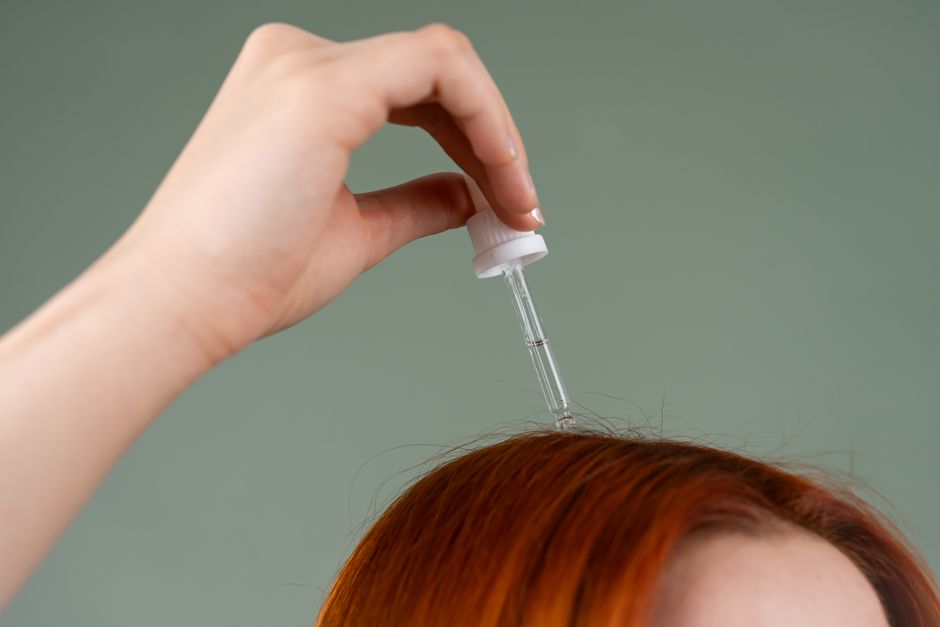
Castor oil is a thick, sticky oil pressed from castor beans. People have used it for hair for centuries, and it remains a popular home remedy today. To use it, you apply a small amount to your scalp and hair, leave it on for a set time, then wash it out completely. The key is using the right technique and knowing what this oil can and cannot do for your hair.
What Does Castor Oil Actually Do for Hair?
Castor oil’s main active ingredient is ricinoleic acid, a type of fatty acid. Some research suggests this compound may have anti-inflammatory properties. This could help calm an irritated scalp, which is one reason people report benefits.
The oil is also a humectant. That means it draws moisture into the hair shaft and helps lock it in. For people with dry, brittle hair, this can improve the look and feel of strands. It coats the hair, reducing moisture loss and adding shine.
What castor oil does not do is grow hair faster. No large clinical trials have confirmed that castor oil stimulates hair follicles or promotes new growth. Some small studies and many anecdotal reports suggest it might help with thickness or reduce breakage, but the evidence is not strong. If you are using it hoping for dramatic regrowth, you may be disappointed.
How To Use The Castor Oil For Hair: Step-by-Step
Start with the right product. Look for cold-pressed, hexane-free castor oil. Hexane is a chemical solvent sometimes used in oil extraction, and you want to avoid it on your scalp. Jamaican black castor oil is a popular variation made from roasted beans; it has the same fatty acid profile but a darker color and smokier smell.
Castor oil is extremely thick. Applying it directly to your scalp without diluting it can be difficult. Mix it with a lighter carrier oil like jojoba, coconut, or almond oil. A common ratio is one part castor oil to one part carrier oil, though you can adjust based on your hair type. Thinner hair may need more dilution.
Here is the basic process:
- Warm the oil slightly by placing the bottle in a bowl of warm water for a few minutes. Do not microwave it — hot oil can burn your scalp.
- Part your hair into sections. Use your fingertips or a dropper to apply the oil directly to your scalp.
- Massage gently with your fingertips for a few minutes. This is not just for relaxation — it helps distribute the oil and may improve blood flow to the scalp.
- Work the remaining oil through the lengths of your hair, focusing on dry ends if that is your concern.
- Cover your hair with a shower cap or towel. This traps heat and may help the oil penetrate.
- Leave it on for 30 minutes to a few hours. Some people leave it overnight, but this is not necessary and can be messy.
- Wash it out thoroughly. You may need to shampoo twice to remove all the oil. A buildup of castor oil can leave hair looking greasy and heavy.
How often should you do this? Once a week is a reasonable starting point. If your hair tolerates it well, you can increase to twice a week. If your hair feels weighed down or greasy after washing, reduce the frequency or dilute the oil more.
Castor Oil for Hair Growth: What the Evidence Says
The claim that castor oil grows hair is everywhere on social media. The reality is more complicated.
Ricinoleic acid has been studied for its anti-inflammatory effects. A 2016 study published in the International Journal of Cosmetic Science found that ricinoleic acid stimulated prostaglandin E2 production in the scalp, which could theoretically promote hair growth. But this was a laboratory study, not a human trial. It does not prove the oil will grow hair on your head.
Some research suggests castor oil may help with a condition called traction alopecia, which is hair loss caused by tight hairstyles pulling on the follicles. One small study found that a mix of oils, including castor oil, helped regrow hair in people with this condition. But the study used a combination product, so it is impossible to know how much of the effect came from castor oil specifically.
No high-quality human studies have confirmed that castor oil alone promotes hair growth. If you have significant hair thinning or sudden hair loss, see a doctor. Conditions like thyroid disorders, iron deficiency, and hormonal changes can cause hair loss, and these need proper medical evaluation — not just oil treatments.





Risks and Side Effects of Castor Oil on Hair
Castor oil is generally safe for topical use on the scalp. But it is not risk-free.
Allergic reactions are possible, though uncommon. Before your first full application, do a patch test. Apply a small amount of diluted oil to the inside of your wrist or behind your ear and wait 24 hours. If you develop redness, itching, or a rash, do not use it on your scalp.
The thickness of castor oil can be a problem. If you do not wash it out completely, it can clog hair follicles. This could lead to irritation or even worsen hair loss in some cases. This is why thorough washing matters.
Castor oil can also be hard to remove from fine or thin hair. It may leave a greasy residue that makes hair look flat and oily. If you have fine hair, consider using it only on the ends rather than the scalp, or skip it entirely and use a lighter oil.
Do not ingest castor oil. While it is sometimes used as a laxative in very small amounts, it can cause severe cramping, diarrhea, and dehydration. It is not safe to consume in the quantities people apply to their hair.
Pregnant women should be especially careful. Castor oil has been used historically to induce labor, and some evidence suggests it can stimulate uterine contractions. Do not ingest it during pregnancy, and talk to your doctor before using it topically if you are pregnant or breastfeeding.
Castor Oil vs. Other Hair Oils
Castor oil is not the only oil people use for hair health. Knowing the differences can help you choose the right one for your needs.
| Oil | Main Benefit | Best For |
|---|---|---|
| Castor oil | Moisture retention, anti-inflammatory properties | Dry, brittle hair; irritated scalp |
| Coconut oil | Penetrates the hair shaft, reduces protein loss | Damaged hair, protein loss prevention |
| Jojoba oil | Mimics natural sebum, lightweight | Fine hair, oily scalp |
| Argan oil | Adds shine, softens hair | Frizz control, styling |
| Olive oil | Deep conditioning | Very dry, coarse hair |
Coconut oil has the strongest evidence for actually penetrating the hair shaft and reducing protein loss. If your main concern is damaged hair, it may be a better choice than castor oil. Jojoba oil is much lighter and closer to the natural oils your scalp produces, making it a better option for people with fine hair.
You can combine castor oil with other oils, and many people do. The key is finding a blend that works for your specific hair type without weighing it down.
How Long Before You See Results?
Hair grows slowly — about half an inch per month on average. If castor oil is going to help your hair, you will not see results overnight.
Most people who report benefits say they noticed improvements in hair texture, softness, and manageability within a few weeks of regular use. These changes come from the oil’s moisturizing effects, not from new hair growth.
If you are hoping for thicker hair or regrowth, you may need to wait several months to see any difference, and even then, results are not guaranteed. Hair growth cycles are long, and any product that claims to grow hair dramatically in weeks is not being honest with you.
Consistency matters more than intensity. Using a small amount once a week for several months is more likely to show results than doing one intensive treatment. But if you have not seen any improvement after three months of regular use, this oil may not be the right solution for your hair concerns.
Frequently Asked Questions
Can I leave castor oil in my hair overnight?
Yes, but it is not necessary and can be messy. Leaving it on for 30 minutes to a few hours is enough to get the moisturizing benefits, and washing it out thoroughly prevents buildup.
How often should I use castor oil on my hair?
Once a week is a good starting point for most people. If your hair tolerates it well, you can increase to twice a week, but reduce frequency if your hair feels greasy or heavy.
Does castor oil really help hair grow?
No high-quality human studies confirm that castor oil promotes hair growth. It can improve moisture and reduce breakage, which may help hair look healthier, but it is not a proven growth treatment.
Can castor oil cause hair loss?
Castor oil itself does not cause hair loss, but leaving it on too long or not washing it out completely can clog hair follicles and lead to scalp irritation. Thorough washing prevents this problem.
