
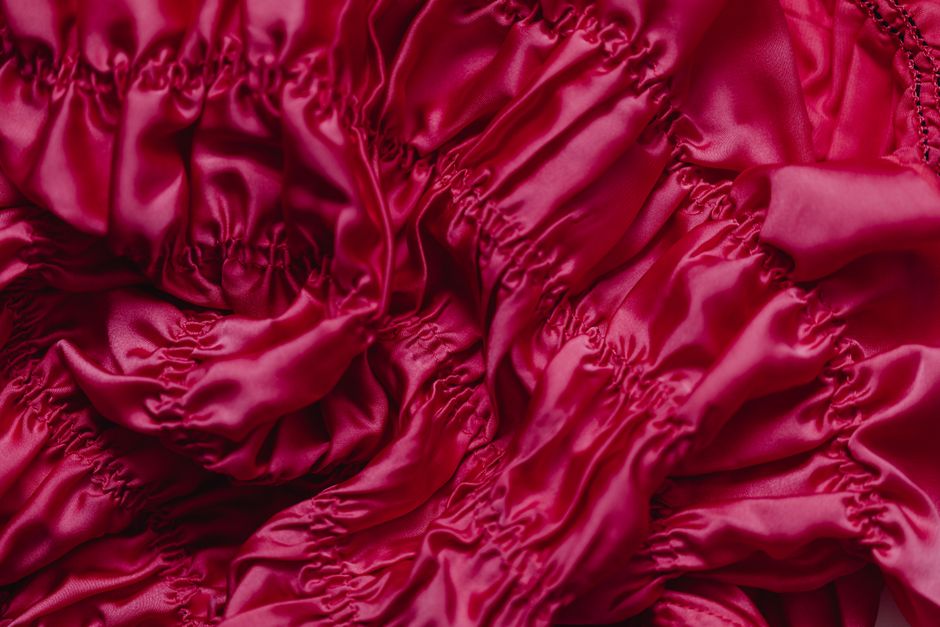
If you wake up with tangled, frizzy hair, the fabric on your pillow may be part of the problem. Cotton pillowcases absorb moisture and create friction, which can rough up the hair cuticle overnight. Silk and satin are the best fabrics for hair because they are smooth and create less friction, helping hair stay hydrated and tangle-free. Between the two, silk is the higher-quality option, while satin offers a more affordable alternative with similar benefits.
What Makes Cotton Bad for Hair?
Cotton is the most common pillowcase material, but it is also one of the harshest on hair. Cotton fibers are short and have a rough texture at a microscopic level. When you move your head during sleep, those rough fibers catch on the hair cuticle, the outer protective layer of each strand.
Cotton is also highly absorbent. It pulls moisture away from your hair and skin throughout the night. Hair that loses moisture becomes drier, more brittle, and more prone to breakage. For people with curly, coily, or textured hair, this moisture loss is especially noticeable. Cotton can also create friction that leads to split ends and frizz.
This is not a new observation. Hair care professionals have long recommended smooth fabrics for sleeping, and many people with natural hair textures report visible improvements when switching away from cotton.
Why Silk Is the Gold Standard for Hair
Silk is a natural protein fiber produced by silkworms. Its smooth, tightly woven structure means it has very little surface roughness. When your hair rubs against silk, there is far less friction than with cotton. Less friction means less tangling, less frizz, and fewer broken strands.
Silk is also less absorbent than cotton. It does not wick moisture away from your hair the way cotton does. This helps your hair retain its natural oils, which keeps it conditioned and reduces the need for extra products in the morning.
True silk is breathable and naturally temperature-regulating. It tends to feel cool in summer and warm in winter. For people with sensitive skin, silk is also hypoallergenic and resistant to dust mites and mold. This makes it a good choice for anyone with skin conditions like eczema, though evidence for the skin benefits of silk is largely based on its smooth texture rather than large clinical trials.
One thing to know: real silk requires more care. Most silk pillowcases should be hand-washed or washed on a delicate cycle with a gentle detergent. They also cost more than other options. A quality mulberry silk pillowcase with a high momme count, a measure of silk density, will last longer and feel smoother than a thin, low-quality one.
What About Satin — Is It Just as Good?
Satin is not a fiber. It is a weave pattern. Satin fabric can be made from silk, polyester, nylon, or a blend. When people say “satin pillowcase,” they usually mean a polyester or nylon satin, which is the common affordable version.
For hair purposes, satin works well because the smooth weave creates the same low-friction surface as silk. The hair slides over the fabric instead of catching on it. This reduces tangles and frizz and helps preserve hairstyles overnight.
Polyester satin is also less absorbent than cotton, so it does not dry out your hair. It is durable, easy to wash, and much less expensive than silk. Many people find that a satin pillowcase gives them most of the hair benefits of silk at a fraction of the cost.
The main downside of polyester satin is breathability. Polyester does not allow air to circulate as well as natural silk. Some people find it sleeps warmer. If you tend to sweat at night, you may prefer silk for its moisture-wicking and breathable properties.
There is no strong clinical evidence proving that one fabric is better than the other for hair. The benefits are based on the physical properties of the materials and on widespread anecdotal reports from users. Both silk and satin reduce friction and moisture loss compared to cotton. The choice often comes down to budget and personal comfort.





What Fabric Is Good For Hair Silk Satin More — Which Should You Choose?
If budget is not a concern, silk is the better choice. It offers the lowest friction, the best moisture retention, and the most breathable sleep surface. It is also the most durable when cared for properly, though it requires more maintenance.
If you want the hair benefits without the price tag, satin is a solid alternative. A polyester satin pillowcase will give you a smooth surface that reduces friction and tangles. It is easier to care for and can be thrown in the washing machine without much worry.
Here is a quick comparison to help you decide:
| Feature | Silk | Satin (Polyester) |
|---|---|---|
| Friction on hair | Very low | Low |
| Moisture retention | High | Moderate to high |
| Breathability | Excellent | Poor to moderate |
| Durability | High with proper care | Good |
| Care requirements | Hand wash or delicate | Machine washable |
| Cost | High | Low |
One additional tip: the weave quality matters more than the label. A tightly woven silk or satin will feel smoother and last longer. For silk, look for mulberry silk with a momme weight of at least 19. For satin, a higher thread count generally means a smoother surface, though this is not always consistent across brands.
Do Silk or Satin Bonnets and Scrunchies Work Better Than Pillowcases?
Silk and satin hair accessories work on the same principle as pillowcases. They reduce friction and moisture loss. For many people, a bonnet or a scrunchie is more practical than changing pillowcases, especially when traveling.
Bonnets cover the hair completely and protect it from rubbing against any surface, not just a pillow. They are popular among people with curly or coily hair who want to preserve their hairstyle overnight. A bonnet also works if you sleep on a cotton pillowcase and do not want to replace it.
Silk scrunchies are gentler on hair than elastic bands. Traditional hair ties pull and break strands. A silk or satin scrunchie slides more easily and leaves fewer creases. This makes them a good choice for people with fine or fragile hair.
There is no clinical trial data showing that bonnets or scrunchies prevent hair damage. The logic is sound, and user reports are positive, but the evidence is anecdotal. If you already have a silk or satin pillowcase, adding a bonnet is optional. If you cannot switch pillowcases, a bonnet is a reasonable alternative.
Are There Other Fabrics Worth Considering?
Bamboo viscose and modal are sometimes marketed as hair-friendly fabrics. These are semi-synthetic fibers made from plant cellulose. They are smoother than cotton and more absorbent than silk. Some people find them comfortable, but they do not reduce friction as effectively as silk or satin.
Flannel and fleece are soft but not smooth. They create friction and can cause tangling. Velvet is smooth but tends to trap heat and is difficult to wash. None of these are better than silk or satin for hair health.
If you are shopping for a pillowcase specifically for hair benefits, stick with silk or satin. Other fabrics may feel soft but do not offer the same low-friction, moisture-retaining surface.
How to Care for Silk and Satin Pillowcases
Proper care extends the life of your pillowcase and keeps it smooth. Silk should be washed in cold water with a gentle detergent. Avoid bleach and fabric softeners, which can damage the fibers. Air drying is best, though a low-heat dryer setting is sometimes acceptable for silk if the label allows it.
Polyester satin is more forgiving. It can be machine washed in cold water and tumble dried on low. Avoid high heat, which can melt or warp the fibers. Wash satin pillowcases separately from items with zippers or hooks that could snag the fabric.
Replace your pillowcase when it starts to feel rough or shows signs of pilling. A worn surface loses its hair-friendly properties.
Frequently Asked Questions
Is silk or satin better for your hair?
Silk is generally better because it has the lowest friction and best moisture retention. Satin is a close second and offers most of the same benefits at a lower cost.
Can satin pillowcases cause hair loss?
No evidence suggests satin causes hair loss. Satin reduces friction and breakage compared to cotton, which may actually help prevent hair loss from mechanical damage.
How often should I wash my silk pillowcase?
Wash it once a week to remove oils, sweat, and product buildup. More frequent washing is fine if you have oily skin or hair.
Do silk pillowcases work for all hair types?
Yes, silk works for straight, wavy, curly, and coily hair. People with textured hair often notice the biggest difference because their hair is more prone to dryness and breakage.
