
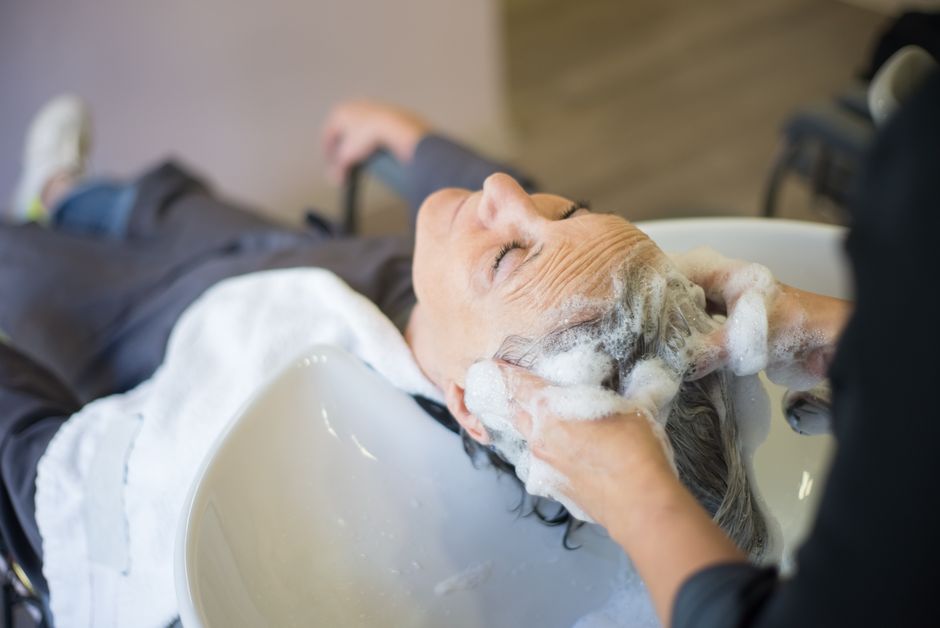
Shampoo does clean your hair, but not the way soap cleans your skin. It removes oil, dirt, and product buildup from your scalp and hair strands using a specific class of chemicals called surfactants. These molecules have a unique structure that allows them to bind to both water and oil, which is the core of how the entire cleaning process works. Understanding this mechanism explains why you need shampoo, why it foams, and why choosing the right one matters for your hair type.
What Actually Makes Hair Dirty?
Before understanding how shampoo works, it helps to know what you are removing. Your scalp produces a natural oil called sebum. Sebum is not the enemy. It protects the hair shaft, keeps it moisturized, and prevents it from becoming brittle. The problem is that sebum accumulates over time.
As sebum builds up, it mixes with dead skin cells from your scalp, sweat, and environmental pollutants like dust and smoke. Hair products — gels, sprays, conditioners, and oils — add another layer. This mixture coats each strand of hair. It makes hair look greasy, flat, and dull. It can also trap odor and make the scalp feel itchy.
Water alone cannot remove this buildup. Oil and water do not mix. If you rinse your hair with water only, the sebum stays put. The water just rolls off the oily surface. This is the fundamental problem that shampoo solves.
How Surfactants Lift Oil and Dirt
Shampoo contains surfactants, short for surface-active agents. These are the cleaning molecules. The most common ones are sulfates like sodium lauryl sulfate and sodium laureth sulfate. Sulfate-free shampoos use milder surfactants such as sodium cocoyl isethionate or cocamidopropyl betaine.
Every surfactant molecule has two distinct ends. One end is hydrophilic, meaning it loves water. The other end is lipophilic, meaning it loves oil and grease. This dual nature is what makes cleaning possible.
When you massage shampoo into wet hair, the lipophilic ends of the surfactant molecules attach to the sebum and oils on your hair. The hydrophilic ends face outward toward the water. This forms tiny structures called micelles. A micelle is a sphere with oil trapped safely in the center and water-friendly ends pointing out.
Once the oil is trapped inside micelles, it is suspended in the water. When you rinse, the micelles wash away with the water, carrying the oil, dirt, and product buildup with them. This is the entire science of shampoo in one process.
Why Does Shampoo Foam and Lather?
Foam is not what cleans your hair. It is a byproduct of the surfactants interacting with air and water. The lather you see is just air bubbles trapped in a thin film of soapy water. Many people believe more foam means more cleaning power. That is not accurate.
The amount of foam depends on the type and concentration of surfactants in the formula. Some gentle shampoos produce very little lather but still clean effectively. Some harsh shampoos produce thick, rich foam. Foam can make the experience feel satisfying, but it is not a measure of how well the product removes oil.
The physical action of massaging your scalp matters more than foam volume. Rubbing your fingers through your hair helps dislodge dead skin cells and breaks up the oil so the surfactants can bind to it more effectively. The mechanical action and the chemistry work together.




Does Shampoo Strip Too Much Oil?
Shampoo removes oil from your hair. That is its job. But it can remove too much. Harsh surfactants, especially sulfates, are very effective at pulling sebum off the hair shaft. For some people, this leaves hair feeling dry, rough, or frizzy.
This is why conditioners exist. Conditioners use positively charged ingredients that coat the hair strand, smooth the cuticle, and replace some of the moisture that shampoo removes. The two products are designed to work as a pair.
For people with naturally dry hair, curly hair, or color-treated hair, sulfate shampoos can be overly stripping. Many manufacturers offer sulfate-free formulas for this reason. These use milder surfactants that clean more gently and leave more of the natural oil intact.
For people with very oily hair, a gentler shampoo may not feel like it cleans enough. The scalp produces sebum at a rate influenced by hormones and genetics. No shampoo changes how much oil your scalp produces. It only removes what is there.
How Often Should You Shampoo?
There is no single correct frequency that works for everyone. The right schedule depends on your scalp oil production, hair type, styling habits, and activity level.
People with very oily scalps may need to shampoo daily. People with dry or curly hair may go several days between washes. Some dermatologists recommend washing as often as needed to keep the scalp comfortable and hair looking clean. If your scalp feels itchy or your hair looks greasy, it is time to wash.
Overwashing can dry out the scalp and hair. Underwashing can lead to buildup, which may contribute to scalp irritation or dandruff. The key is finding a balance that keeps your scalp healthy without leaving your hair brittle.
What About “No-Poo” and Co-Washing?
Some people skip shampoo entirely, a practice called the “no-poo” method. Others use conditioner only, which is called co-washing. These approaches work for some people, particularly those with very dry or curly hair.
Conditioners contain small amounts of mild surfactants. They can remove light oil and sweat, but they are not formulated to remove heavy buildup or product residue. Over time, co-washing can lead to buildup on the scalp. Some people report their hair feels fine with this method for months or years. Others develop scalp irritation or notice their hair looks dull.
The evidence here is largely anecdotal. No large clinical trials have compared no-poo methods to traditional shampooing. What works depends on your individual hair and scalp. If you try it and your scalp stays comfortable and your hair looks healthy, it may be a valid option for you. If you notice buildup or itching, shampoo is probably necessary.
Does Shampoo Affect Hair Growth?
Shampoo does not make hair grow faster or slower. Hair growth occurs at the follicle, deep below the surface of the scalp. Shampoo only cleans the surface. It cannot reach the follicle.
What shampoo can do is keep the scalp environment healthy. A clean scalp may be less prone to irritation and buildup. Some research suggests that a healthy scalp supports healthy hair, but this is different from saying shampoo stimulates growth.
Be wary of shampoos marketed with growth claims. No shampoo has been proven to regrow hair in clinical trials. Some contain ingredients like caffeine or biotin, but the evidence that these penetrate deeply enough to affect hair growth is limited. If you are experiencing noticeable hair loss, see a dermatologist. That is a medical issue, not a shampoo issue.
How to Choose the Right Shampoo
Match your shampoo to your scalp and hair type. For oily scalp and fine hair, a clarifying shampoo with sulfates may work well. For dry or damaged hair, a sulfate-free formula with added moisturizers is often a better fit.
For dandruff, look for shampoos containing active ingredients like zinc pyrithione, ketoconazole, or salicylic acid. These treat the underlying cause of flaking, which is often a yeast overgrowth or excess skin cell turnover. A regular shampoo will not fix dandruff.
For color-treated hair, use a shampoo labeled safe for colored hair. These are typically gentler and less likely to strip dye. For textured or curly hair, look for moisturizing formulas that do not lather aggressively.
Read the ingredient list. If a shampoo leaves your hair feeling waxy or your scalp irritated, switch to something else. The right product is the one that leaves your scalp comfortable and your hair looking clean and manageable.
Frequently Asked Questions
Can I clean my hair with just water?
No. Water cannot remove the natural oils and buildup that accumulate on your hair and scalp.
Does more lather mean a better clean?
No. Foam is a byproduct of the cleaning process and does not indicate how well a shampoo removes oil.
Is sulfate-free shampoo better for your hair?
It depends on your hair type. Sulfate-free formulas are gentler and better for dry or color-treated hair, but may not clean oily hair thoroughly enough.
Can shampoo make your hair grow faster?
No. Hair growth happens at the follicle below the scalp, and shampoo only cleans the surface of the hair and skin.
