
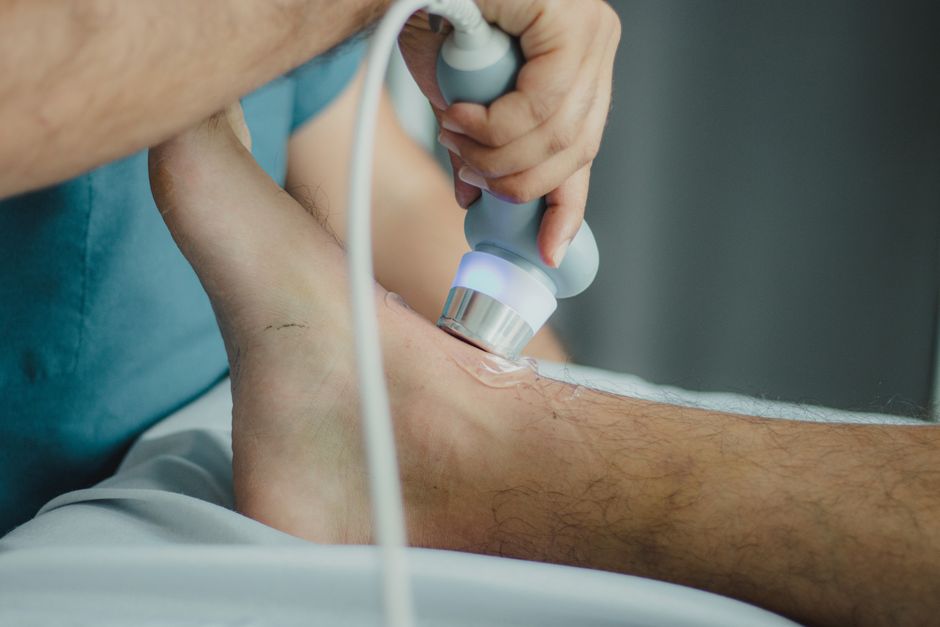
A TENS machine sends small electrical pulses through pads on your skin to help reduce pain. For lower back pain, you place the pads on your back, turn the device on, and adjust the intensity until you feel a strong but comfortable tingling. Most people use it for 20 to 30 minutes at a time, and it works best as part of a broader pain management plan rather than as a standalone cure.
What Is a TENS Machine and How Does It Work?
TENS stands for Transcutaneous Electrical Nerve Stimulation. “Transcutaneous” means through the skin. The machine is a small, battery-powered device that sends low-voltage electrical currents through adhesive pads placed on your body.
The electrical pulses stimulate your nerves. The leading theory is that this stimulation helps close the “gate” in your spinal cord that lets pain signals reach your brain. This is called the Gate Control Theory of pain. A second theory suggests TENS may help your body produce natural pain-relieving chemicals called endorphins.
Neither theory is fully proven. But the device has been used in clinical settings for decades, and many people report meaningful short-term relief from it.
How to Use TENS Machine for Lower Back Pain: Step by Step
Using a TENS machine is straightforward, but placement and settings matter. Here is a practical step-by-step guide.
Step 1: Check your skin. The area should be clean, dry, and free of cuts, rashes, or irritation. Do not apply the pads over broken skin.
Step 2: Place the pads. For lower back pain, position the pads on either side of your spine, about one to two inches away from the bony bumps of your vertebrae. Do not place them directly on the spine. Place them over the area that hurts. If the pain is on one side, you can place both pads on that side, still parallel to the spine.
Step 3: Connect the wires. Attach the lead wires to the pads and the device. Make sure the machine is off before you connect anything.
Step 4: Turn it on and adjust. Start at the lowest intensity setting. Slowly increase it until you feel a strong tingling or buzzing sensation. It should never feel painful or cause muscle twitching that bothers you. The goal is a comfortable, strong sensation.
Step 5: Set the timer. Most sessions last 20 to 30 minutes. Many devices have a built-in timer. Some people use TENS several times a day for acute flare-ups. Others use it once daily for chronic pain.
Step 6: Turn off and remove. Switch the machine off before removing the pads. Clean the pads if the manufacturer recommends it, and store them in a sealed bag to keep the adhesive sticky.
Where Exactly Should You Place the Pads?
Pad placement is the most common source of confusion. The general rule is to place the pads so the electrical current flows through the painful area.
For pain that is centralized in the lower back, place two pads on each side of the spine at the level of the pain. For pain that radiates into the buttock or down the leg, you can place one pad on the lower back and one on the buttock or upper leg. This creates a current path that follows the pain.
Never place pads on the front of the neck, on the temples, on the chest, or directly over the eyes. Avoid placing them on areas of numb skin, since you will not be able to feel the intensity properly and could burn yourself.
If you are unsure about placement, consult the manual that came with your device. Most manuals include diagrams for common pain areas.
-
 Where to Put Tens Pads for Lower Back Pain? The Short Answer
 -
Can Lower Back Pain Cause Testicles to Ache? The Short Answer
-
How to Sleep If You Have Lower Back Pain? Simple Steps That Help
-
Why Do I Get Lower Back Pain on My Period? What’s Behind It
-
Joint Genesis Reviews 2025. Does Biodynamix Supplement Work





What Settings Should You Use?
Most TENS machines have adjustable pulse rate (frequency) and pulse width (duration). The right settings depend on the type of pain you have.
For acute, sharp pain, many clinicians suggest a higher frequency setting, around 80 to 120 Hz, with a shorter pulse width. This produces a strong tingling sensation that may help block pain signals quickly.
For chronic, aching pain, a lower frequency setting, around 2 to 10 Hz, may be more appropriate. This setting is thought to trigger endorphin release, though the evidence for this is less certain.
Since specific settings vary by device, start with the manufacturer’s recommended settings for pain relief. Adjust from there based on what feels comfortable. The intensity should always be strong but never painful.
Does TENS Actually Work for Lower Back Pain?
The evidence for TENS is mixed. Some studies show meaningful short-term relief. Others show little difference compared to a placebo device that delivers no current.
A major challenge in research is that TENS cannot be blinded easily. People know whether they feel a tingling sensation or not. This makes it hard to compare against a true placebo.
What the evidence does support is that TENS provides temporary pain relief for some people. It does not cure the underlying cause of back pain. It is a symptom management tool, not a treatment for the source of the problem.
Clinical guidelines for low back pain generally do not list TENS as a first-line treatment. Most guidelines recommend exercise, physical therapy, and anti-inflammatory medications as initial approaches. TENS is often considered a complementary option that some people find helpful.
Who Should Not Use a TENS Machine?
TENS is safe for most people, but there are important exceptions. Do not use a TENS machine if you have a pacemaker, implantable defibrillator, or any other implanted electrical device. The electrical current can interfere with these devices.
Avoid using TENS during pregnancy, especially on the lower back or abdomen. No clinical guidelines support its safety in this situation.
Do not use TENS on areas with deep vein thrombosis, over a tumor, or on skin that lacks normal sensation. People with epilepsy should avoid using TENS on the neck or head.
If you have diabetes, peripheral neuropathy, or any condition that affects skin sensation, talk to a doctor before using TENS. You may not feel the current properly, which increases the risk of skin burns.
Common Mistakes to Avoid
The most common mistake is turning the intensity too high. More electricity does not equal more relief. Excessive intensity can cause muscle spasms, skin irritation, or burns.
Another mistake is using worn-out pads. Old pads have weak adhesive and conduct electricity unevenly. This can cause hot spots that sting or burn. Replace pads according to the manufacturer’s instructions, usually after 10 to 30 uses.
Do not sleep with a TENS machine on. You cannot adjust the intensity if it becomes uncomfortable, and prolonged use can irritate the skin.
Do not use TENS while driving or operating machinery. The sensation can be distracting, and sudden muscle contractions could interfere with your control.
When to See a Doctor Instead
TENS is not appropriate for every type of back pain. Seek medical attention if your back pain is accompanied by numbness or weakness in your legs, loss of bowel or bladder control, or fever. These can be signs of a more serious condition.
If your pain follows a fall or injury, or if it gets progressively worse over days, see a doctor before self-treating with TENS.
Back pain that lasts longer than a few weeks despite home treatment also warrants a medical evaluation. TENS may mask the pain temporarily, but it will not correct the underlying issue.
Frequently Asked Questions
How often can I use a TENS machine for lower back pain?
Most people use it for 20 to 30 minutes, one to three times per day. Follow the manufacturer’s guidance and stop if your skin becomes irritated.
Can I use a TENS machine while sleeping?
No. You should not sleep with a TENS machine on because you cannot monitor the intensity and prolonged use can irritate the skin.
Is it safe to use a TENS machine every day?
Daily use is generally safe for short sessions, but it should not replace medical care for persistent pain. If you rely on it daily for weeks, see a doctor to address the underlying cause.
Does a TENS machine hurt?
It should not hurt. You should feel a strong tingling or buzzing sensation, but never sharp pain or burning. If it hurts, lower the intensity immediately.
