
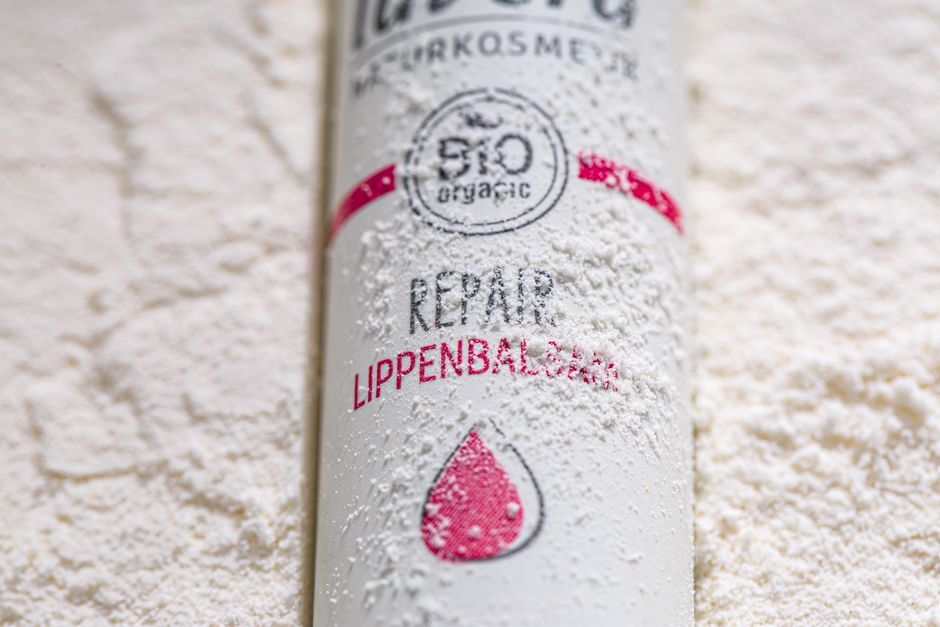
Stoma powder is a fine, absorbent powder made from materials like pectin, gelatin, or carboxymethylcellulose. It is used to dry out weepy, irritated skin around a stoma so that an ostomy pouch and skin barrier can stick properly. The basic method is simple: clean and dry the skin, dust a thin layer of powder only onto the moist or broken areas, tap off the excess, and then seal the powder in place with a skin barrier wipe or spray before applying the pouch.
What Is Stoma Powder Actually For?
Stoma powder is not a treatment for the skin problem itself. It is a surface preparation that makes a pouch stick to skin that would otherwise be too wet for any adhesive to hold.
The skin around a stoma, called peristomal skin, is supposed to look like the skin anywhere else on your body. When it becomes red, raw, weeping, or broken, adhesive will not bond to it. Output leaks under the barrier, which irritates the skin further, which causes more weeping, which causes more leaks. Stoma powder interrupts that cycle by absorbing surface moisture so a barrier can form a seal.
That distinction matters. Powder manages the moisture. It does not fix what caused the moisture. If the underlying problem is a poorly fitted wafer, a fungal infection, an allergic reaction to adhesive, or a skin condition like pyoderma gangrenosum, powder alone will not resolve it.
How To Use Stoma Powder For Skin Protection
The technique is straightforward, but the details decide whether it works.
- Remove the old pouch and barrier gently. Adhesive remover wipes reduce skin trauma compared with pulling.
- Clean the peristomal skin with warm water. A soft cloth or gauze works. Let the skin air dry completely, or pat it dry.
- Look at the skin. Note where it is moist, weeping, or broken, and where it is intact.
- Sprinkle a thin layer of powder only onto the moist or damaged areas. You do not need powder on healthy skin.
- Tap or blow off the excess. Any powder that stays loose will stop the barrier from sticking.
- Seal the powder. This is the step people skip. Apply a skin barrier wipe or spray over the powdered area and let it dry completely. The wipe or spray binds the powder into a crust that adhesive can grip.
- Apply the new barrier and pouch. Make sure the opening is cut to fit your stoma size — usually about 1/8 inch larger than the stoma itself.
The sealing step is where most failures happen. Powder left unsealed acts like a layer of dust between the skin and the wafer. The pouch lifts within hours.
Some clinicians recommend a light dusting and others suggest building up a thicker crust for very weepy skin. Both approaches are used in practice. The evidence comparing them directly is limited, so follow the instructions from your ostomy nurse, who can see your actual skin.
How Much Powder Should You Use?
Less than most people expect. A light dusting is enough for mild moisture. For skin that is actively weeping, you may need to build up a few thin layers, drying between each one, until the surface looks matte rather than shiny.
No clinical guidelines specify an exact amount of powder. This is a visual and tactile judgment, not a measured dose. If you can see loose powder sitting on the skin after you tap off the excess, you have used too much.
Powder should not be applied to a healthy, intact peristomal area as a routine preventive measure. It is for compromised skin. Using it on skin that does not need it adds a step that can interfere with adhesion.



Why Does Powder Need a Barrier Wipe or Spray On Top?
Stoma powder on its own has no adhesive properties. It absorbs moisture, which is exactly what you want, but it also creates a loose surface that pouch wafers cannot bond to.
Skin barrier wipes and sprays contain film-forming ingredients that dry into a thin, tacky layer. When applied over powder, they lock the particles together and to the skin, forming what ostomy nurses often call a crust. The wafer then sticks to that crust rather than to bare, wet skin.
Without the seal, you get the worst of both worlds: moisture absorbed briefly, then a pouch that peels away and takes the powder with it.
When Stoma Powder Is Not the Right Answer
Powder is a tool for moisture management. It is not appropriate for every peristomal skin problem, and using it when it does not fit the cause can delay real treatment.
Peristomal skin problems are common. Estimates vary, but a substantial share of people with ostomies report at least one episode of skin irritation. The causes differ, and so does the fix:
- Leakage from an ill-fitting barrier is the most frequent cause of irritation. The solution is refitting, not powder.
- Fungal infection often appears as a red, itchy rash with satellite spots. It usually needs an antifungal, which a clinician must identify and prescribe.
- Allergic contact dermatitis from adhesive, paste, or wipes requires identifying and removing the allergen.
- Mechanical injury from repeated pouch removal needs gentler technique and adhesive remover.
- Pyoderma gangrenosum is an uncommon but serious inflammatory condition that can appear near a stoma. It requires medical treatment and should not be managed with powder alone.
If skin is not improving within a few days of consistent powder use, or if it is getting worse, that is a signal to contact your ostomy nurse or clinician rather than to keep applying more powder.
Does Stoma Powder Have Any Risks?
Stoma powder is generally well tolerated. It is used widely in ostomy care and is considered a standard product by ostomy nurses.
The main risks are practical rather than medical:
- Loose powder left unsealed weakens the pouch seal and can cause leaks.
- Powder applied too thickly can create a bumpy surface that lets output tunnel underneath.
- Some people are sensitive to ingredients in a specific powder or in the barrier product used to seal it. If a rash appears or worsens after starting a new product, stop and check with a clinician.
- Powder can mask a worsening skin problem by temporarily drying the surface while the underlying cause continues.
No evidence suggests stoma powder causes harm to the stoma itself when used as directed on the surrounding skin. It should not be applied directly onto the stoma mucosa.
How Does Stoma Powder Compare With Other Skin Products?
Ostomy care involves several products that do different jobs. Confusing them is a common source of problems.
| Product | Primary job | Best for |
|---|---|---|
| Stoma powder | Absorbs moisture | Weeping, moist, or broken peristomal skin |
| Skin barrier wipe or spray | Forms a protective film | Sealing powder, protecting intact skin |
| Skin barrier ring or paste | Fills gaps and creates a seal | Uneven skin, creases, folds near the stoma |
| Adhesive remover | Dissolves adhesive | Gentle pouch removal |
These products are often used together. Powder goes on the moist spots first. Barrier wipe or spray seals it. A ring or paste fills any remaining gaps. Then the wafer and pouch go on top.
Order matters. Applying a barrier ring over unsealed powder does not work, because the ring cannot bond to loose particles.
What Else Helps Protect Peristomal Skin?
Powder handles moisture, but the biggest factor in peristomal skin health is a well-fitted barrier. A wafer cut to the right size and shape prevents output from ever reaching the skin.
Measure your stoma periodically. Stoma size changes in the weeks after surgery and can shift again with weight changes. A wafer that fit six months ago may not fit now.
Change the pouch on a schedule that works for your skin, not just when it leaks. Some people change every three to four days, others less often. The right interval is the one where your skin stays intact between changes.
Clean with plain warm water. Soaps, lotions, and oils can leave residue that interferes with adhesion, and some contain ingredients that irritate skin.
If you have persistent problems, an ostomy nurse is the most useful resource. They can look at the skin, identify the cause, and fit you with the right products. This is a specialty area, and general practitioners often have limited training in it.
Frequently Asked Questions
Can I use stoma powder on healthy skin?
No. Stoma powder is meant for moist, weeping, or broken skin, and using it on intact skin can interfere with how well your pouch sticks. Apply it only where the skin actually needs drying.
Do I have to seal stoma powder with a barrier wipe?
Yes. Unsealed powder stays loose and prevents the pouch wafer from bonding, which leads to leaks. A skin barrier wipe or spray locks the powder in place so adhesive can grip.
How often should I apply stoma powder?
Apply it at each pouch change while the skin is still irritated, and stop once the skin has healed. No clinical guidelines specify a set frequency, so follow your ostomy nurse’s advice for your situation.
When should I see a doctor about peristomal skin irritation?
Contact your ostomy nurse or clinician if the skin is not improving within a few days of consistent powder use, or if it is getting worse. Persistent irritation often has a cause that powder cannot fix, such as infection or a poorly fitted barrier.
