
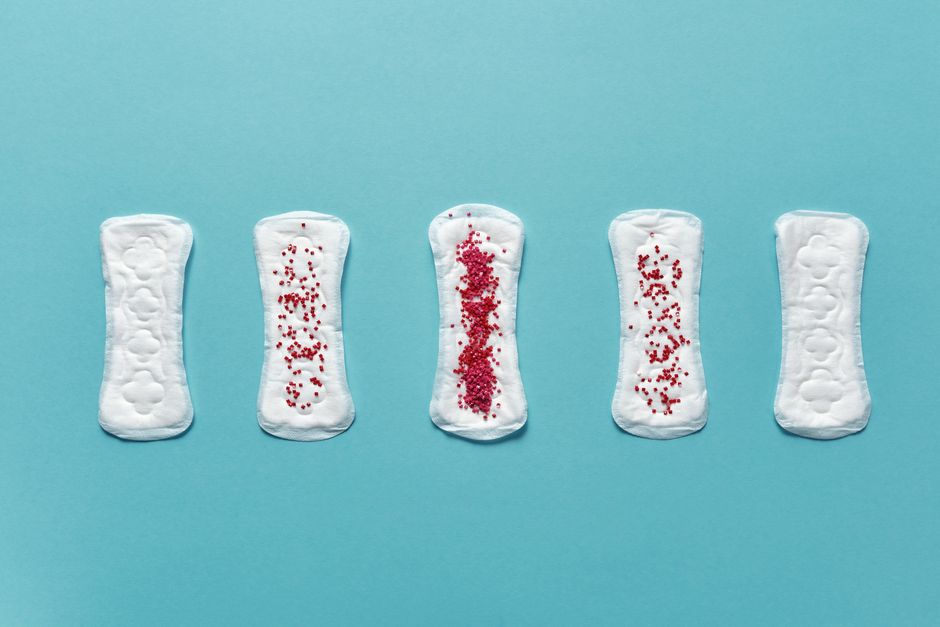
Using a sanitary pad for the first time can feel confusing, but the process is simple once you know the steps. Start by unwrapping the pad, peeling off the paper strip on the back, and pressing the sticky side firmly into the center of your underwear. Then, fold the wings around the edges of your underwear and press them into place. That is the entire basic process, and the sections below walk through each detail, including how often to change it and how to dispose of it properly.
What Do You Need Before You Start?
Before you begin, make sure you have everything within reach. You need a fresh sanitary pad, clean underwear, and access to a bathroom or private space. It helps to wash your hands before and after changing your pad to reduce the risk of spreading bacteria.
Most pads come individually wrapped in plastic or paper. Some brands also include a small disposal wrapper inside the package. Keep that wrapper handy because you will use it to wrap the used pad later.
Step By Step: How To Put On A Sanitary Pad
Follow these steps in order. The first time you do this, it may take a minute or two. After a few tries, it takes less than 30 seconds.
Step 1: Unwrap The Pad
Tear open the wrapper carefully. Do not rip the pad itself. Lay the pad flat in your hand or on a clean surface. The pad has a smooth top layer and a rough paper backing. The paper backing covers the sticky adhesive.
Step 2: Remove The Paper Strip
Peel the long paper strip off the back of the pad. This exposes the sticky adhesive. Some pads have two separate strips instead of one long one. Peel both off. Do not touch the sticky part too much because oil from your fingers can weaken the adhesive.
Step 3: Position The Pad In Your Underwear
Place the pad lengthwise in the center of your underwear. The wider end usually goes toward the front or back depending on the brand, but most pads are symmetrical. The pad should sit flat against the gusset, which is the extra layer of fabric in the crotch area of your underwear.
Press down firmly on the center of the pad so the adhesive sticks to the fabric. Run your fingers along the edges to make sure it is secure.
Step 4: Fold The Wings Around The Underwear
Wings are the small flaps on the sides of the pad. Fold each wing under the edge of your underwear and press them onto the outside of the fabric. The wings have their own adhesive strips. This step keeps the pad in place and prevents side leaks.
If your pad does not have wings, skip this step. Pads without wings rely only on the central adhesive strip.
Step 5: Adjust For Comfort
Stand up and move around. The pad should feel secure and not shift when you walk. If it bunches or slides, remove it and start again with better positioning. A pad that moves around will leak more easily.
How Often Should You Change A Sanitary Pad?
Change your pad every 3 to 4 hours during the day, even if it does not look full. This is not just about comfort. Leaving a pad on too long increases the risk of bacterial growth and odor. It also raises the risk of a rare but serious condition called toxic shock syndrome, although that risk is much lower with pads than with tampons.
You should change your pad immediately after it becomes fully soaked. On heavy flow days, you may need to change it every 2 hours. On light days, you might go 4 to 5 hours. Do not sleep in the same pad you wore all day. Change it right before bed and put on a fresh one.
At night, you can use a longer pad or one designed specifically for overnight use. These pads are longer in the back and offer more coverage while you lie down.





How To Dispose Of A Used Sanitary Pad
Do not flush sanitary pads down the toilet. They do not break down in water and will clog plumbing. Wrap the used pad in its original wrapper, the disposal wrapper from the new pad, or a piece of toilet paper. Then throw it in the trash bin.
Many public restrooms have small disposal bins inside the stalls specifically for menstrual products. If no bin exists, wrap the pad and place it in the main trash can. If you are at home, wrap it and place it in your regular trash.
Never leave a used pad unwrapped in a trash can. This exposes others to blood and creates an unpleasant environment.
Common Mistakes Beginners Make
Several mistakes are common when you are new to pads. Knowing them helps you avoid leaks and discomfort.
Placing the pad too far forward or backward. The pad should sit in the center of your underwear, not at the very front or back. If it sits too far forward, it will not catch flow properly. If it sits too far back, the front edge will rub against your skin.
Forgetting to press the wings down. Wings are not optional decoration. They anchor the pad and prevent twisting. If you skip this step, the pad will bunch up as you move.
Using a pad that is too small for your flow. If you have a heavy flow, a thin pantyliner will not be enough. You need a pad with higher absorbency. Check the packaging for terms like “regular,” “super,” or “overnight” to match your flow level.
Wearing a pad longer than recommended. Leaving a pad on for 6 or 8 hours increases odor and bacterial growth. Set a reminder on your phone if you tend to forget.
Pads vs. Tampons vs. Menstrual Cups: Is One Better?
Pads are not better or worse than other menstrual products. They are simply a different option with different trade-offs. Some people prefer pads because they are non-invasive and do not require insertion. Others find pads uncomfortable or bulky and prefer tampons or menstrual cups.
Pads carry a lower risk of toxic shock syndrome than tampons. They are also easier to use for people who have never inserted anything into the vagina. However, pads can cause skin irritation if you have sensitive skin or if you do not change them often enough.
Tampons are inserted into the vagina and are invisible once in place. They allow more freedom for swimming and intense exercise. But tampons require practice to insert correctly and come with a small risk of toxic shock syndrome if left in too long.
Menstrual cups are reusable silicone cups that collect blood inside the vagina. They last for years, which makes them cheaper over time and better for the environment. However, they require more practice to insert and remove, and they need to be cleaned thoroughly between uses.
There is no medical reason to choose one over the other for most people. The best product is the one you feel comfortable using. Many people combine products, such as using a pad at night and a tampon during the day.
How To Handle Leaks And Stains
Leaks happen to everyone at some point. They are not a sign that you did something wrong. When a leak happens, change your pad immediately and rinse the stained underwear with cold water. Hot water sets blood stains, so use cold water only.
For stains on clothing or sheets, apply a small amount of hydrogen peroxide or a stain remover before washing. Cold water and soap work for most fresh stains. If the stain has dried, soak the fabric in cold water for 30 minutes before washing.
To reduce the chance of leaks, change your pad before it becomes fully saturated. On heavy days, consider wearing darker underwear or using a pad with higher absorbency. You can also wear a second pad or a pair of period underwear as backup, though this is rarely necessary.
When To See A Doctor About Your Period
Pads themselves do not cause medical problems, but your period can signal underlying health issues. Talk to a doctor if you soak through a pad or tampon every hour for several hours in a row. This level of bleeding is not normal.
Also seek medical advice if your periods are consistently longer than 7 days, if you pass clots larger than a quarter, or if you have severe pain that interferes with daily activities. These symptoms can indicate conditions like fibroids, endometriosis, or hormonal imbalances.
Irregular periods are common in the first few years after menstruation starts and again in the years before menopause. Outside of those windows, significant changes in your cycle deserve a medical evaluation.
Frequently Asked Questions
How do I know which size sanitary pad to buy?
Match the pad to your flow. Use “regular” pads for light to medium days, “super” or “heavy” pads for heavy days, and “overnight” pads for sleep. Pantyliners are only for very light days or discharge, not for full period flow.
Can I wear a sanitary pad while swimming?
No. Pads absorb water and will become heavy and useless in a pool or ocean. Use a tampon or menstrual cup for swimming, or wear period swimwear designed for this purpose.
Is it safe to sleep with a sanitary pad on?
Yes, it is safe. Change your pad right before bed and use an overnight pad for extra coverage. Change it again as soon as you wake up in the morning.
Why does my pad sometimes shift or bunch up?
This usually happens when the wings are not pressed down firmly or when the pad is not centered in your underwear. Adjust the position and press the wings firmly around the edges of your underwear to keep the pad flat.
