
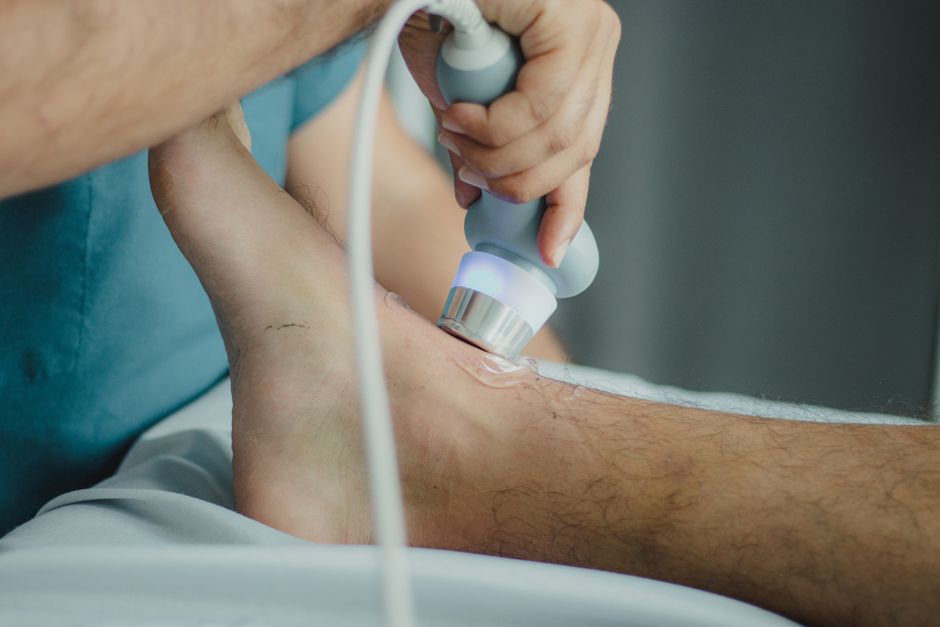
Red light therapy for neuropathy involves shining specific wavelengths of red or near-infrared light onto the skin over the affected nerves. The most common approach is to use a device for 5 to 10 minutes per treatment area, several times a week. It is a painless, drug-free option that some people use alongside their standard medical care to help relieve nerve pain and discomfort.
What Is Red Light Therapy and How Does It Work?
Red light therapy, also called photobiomodulation, uses low-level light energy to reach cells beneath the skin. The light is absorbed by mitochondria, the energy-producing parts of your cells. This absorption is thought to help cells produce more energy and may reduce inflammation.
For neuropathy, the theory is that this energy boost can help calm overactive pain signals and support nerve cell health. Research in both animals and humans has shown some promise, but the exact way it works in the body is not fully understood.
It is important to know that red light therapy does not cure neuropathy. It does not repair damaged nerves. What it may do is reduce pain signals and improve blood flow in the treated area, which can make symptoms more manageable.
What Does the Research Say About Red Light Therapy for Neuropathy?
The evidence for red light therapy and neuropathy is growing but still limited. Several small studies have looked at its effect on diabetic peripheral neuropathy, which is nerve damage caused by high blood sugar.
Some studies have found that people who received red light therapy reported less pain and better sensation in their feet. Other studies have shown improvements in balance and a reduction in tingling or burning feelings. However, the quality of these studies varies, and many have small numbers of participants.
Some research also suggests the therapy may help with nerve pain caused by chemotherapy, a condition called chemotherapy-induced peripheral neuropathy. Results here are also early and mixed.
The honest answer is that the evidence is encouraging but not definitive. Some people find real relief. Others notice no change. Larger, well-designed trials are needed before doctors can state with confidence how well it works for different types of neuropathy.
How to Use Red Light Therapy for Neuropathy
If you want to try red light therapy for neuropathy, the first step is choosing the right device. You can buy home units such as panels, pads, or handheld wands. You can also receive treatment at a clinic that offers this service.
Before you begin, check with your doctor. This is especially important if you have diabetes, take medication that makes your skin sensitive to light, or have an active skin condition in the area you plan to treat.
Here is a general approach that many clinicians recommend:
- Choose a device that emits red light around 630 to 660 nanometers or near-infrared light around 810 to 850 nanometers. Many devices combine both.
- Clean the skin on the affected area. Remove any lotion or cream that could block the light.
- Place the device directly over the bare skin. Do not treat through clothing.
- Treat for 5 to 10 minutes per area. If you are treating both feet, do one foot at a time.
- Repeat the treatment 3 to 5 times per week. Some protocols suggest daily use early on, then reducing frequency as symptoms improve.
- Keep a daily log of your pain levels. This helps you notice whether the therapy is making a difference.
Consistency matters more than duration. Treating for 5 minutes, five times a week, is generally more effective than treating for 30 minutes once a week. Overdoing the treatment time does not speed up results and can irritate the skin.





Which Type of Neuropathy Responds Best?
Most of the published research has focused on diabetic peripheral neuropathy. This is the most common type of neuropathy in the United States, affecting roughly half of all people with diabetes over their lifetime.
People with diabetic neuropathy typically report the most benefit from red light therapy. Symptoms like burning, tingling, and numbness in the feet often improve with regular treatment. Some studies also suggest better balance and a lower risk of falls in older adults who use the therapy.
Red light therapy has also been studied for neuropathy caused by chemotherapy, with mixed results. For neuropathy caused by vitamin deficiency, alcohol use, or autoimmune conditions, the evidence is too thin to make strong claims.
If your neuropathy comes from a structural cause, such as a pinched nerve in the spine, red light therapy is less likely to help. Treating the skin over the foot will not fix a compressed nerve in the lower back.
What Are the Risks and Side Effects?
Red light therapy is generally considered safe when used as directed. The light does not contain ultraviolet rays, so it does not burn the skin the way sunlight can.
The most common side effects are mild and temporary. Some people notice slight redness or warmth in the treated area. This usually fades within a few hours. Eye protection is recommended if you are treating areas near the face, though most neuropathy treatment focuses on the feet and hands.
There are some people who should avoid this therapy. If you are pregnant, the safety of red light therapy has not been established. If you have a history of skin cancer, check with a dermatologist first. If you take medications that increase light sensitivity, such as certain antibiotics or acne treatments, red light therapy could cause a skin reaction.
People with severe neuropathy who have lost feeling in their feet should be especially careful. Because you may not feel heat or irritation, you could leave the device in one spot too long without noticing. Set a timer and move the device regularly.
How Red Light Therapy Compares to Other Neuropathy Treatments
Red light therapy is one of many options for managing neuropathy. It is not a replacement for standard care, but it can be used alongside other treatments.
Common first-line treatments for neuropathy include medications like gabapentin, pregabalin, and certain antidepressants. These drugs work for many people, but they come with side effects like drowsiness, dizziness, and weight gain. Some people cannot tolerate them at effective doses.
Physical therapy and exercise are also important. Regular movement improves blood flow and can reduce nerve pain over time. For people with diabetic neuropathy, strict blood sugar control is the single most important step to slow the progression of nerve damage.
Compared to medications, red light therapy has fewer side effects and no risk of drug interactions. Compared to exercise and lifestyle changes, it requires less effort and can provide faster relief. The downside is the upfront cost of a home device, which can range from $50 to several hundred dollars.
There is no strong evidence that red light therapy is more effective than standard treatments. It is best viewed as a complementary option that some people find helpful, not as a standalone cure.
What to Look for When Buying a Red Light Therapy Device
The market for red light therapy devices is growing quickly, and not all products are equal. Marketing claims often outpace the science.
When choosing a device, look for these features:
- Specific wavelengths listed in the product specifications, not vague claims about “healing light.”
- Power output measured in milliwatts per square centimeter. Devices that are too weak will not penetrate deeply enough to reach the nerves.
- FDA clearance or registration. This does not mean the FDA has proven the device works for neuropathy, but it does mean the device meets basic safety standards.
- A return policy. If the device does not help, you should be able to send it back.
Be skeptical of devices that promise a cure or dramatic results in days. Neuropathy develops over months or years, and any meaningful improvement from red light therapy typically takes several weeks of consistent use.
Cheaper devices often use lower-power LEDs that deliver less energy to the tissue. More expensive does not always mean better, but extremely cheap devices may not deliver enough light to have any effect at all.
How Long Before You See Results?
Most studies that show a benefit from red light therapy used treatment protocols lasting 4 to 12 weeks. Some people report feeling a difference after the first few sessions, but this is not typical.
A more realistic expectation is that you may notice gradual changes after 2 to 4 weeks of regular use. Pain levels may drop slightly. Tingling may feel less intense. You might notice that your feet feel warmer or that you sleep better at night.
If you have used the therapy consistently for 8 to 12 weeks and noticed no improvement, it is unlikely to help you. At that point, it is reasonable to stop and explore other options with your doctor.
Frequently Asked Questions
How often should I use red light therapy for neuropathy?
Most treatment plans suggest using it 3 to 5 times per week for 5 to 10 minutes per area. Consistency is more important than long sessions.
Does red light therapy hurt?
No. You should feel only a gentle warmth on your skin during treatment. If you feel pain or burning, stop immediately and check the device settings.
Can red light therapy cure neuropathy?
No. It may reduce pain and improve symptoms, but it cannot repair damaged nerves or reverse the underlying cause of neuropathy.
Is red light therapy safe for people with diabetes?
Yes, when used as directed. However, people with diabetes should check their feet daily for any cuts or sores, since reduced sensation can hide injuries.
