
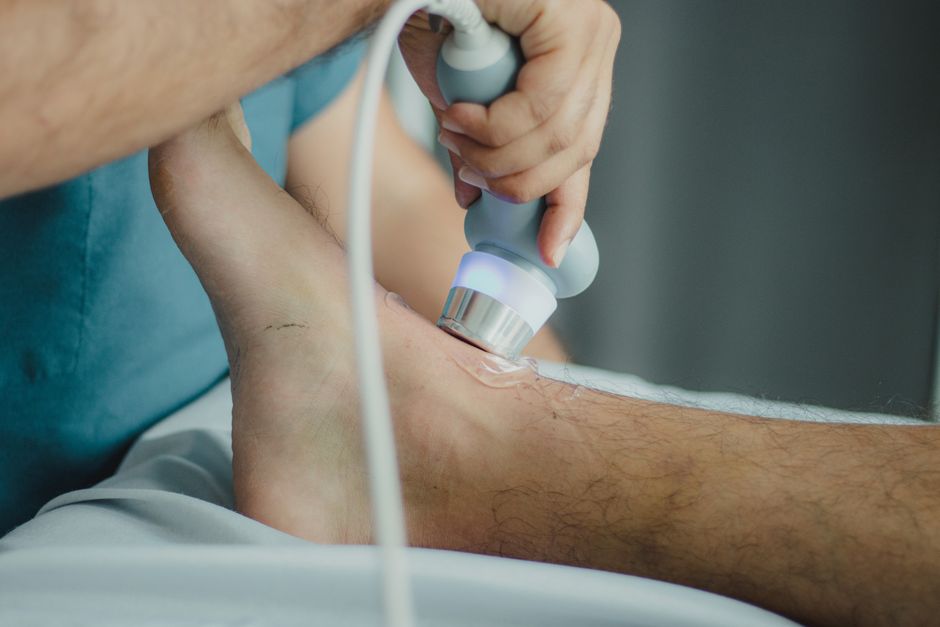
Red light therapy is a promising but not proven treatment for neuropathy. Some studies show it can reduce pain and improve sensation in the short term, but the evidence is not strong enough to call it a reliable cure or reversal for nerve damage. It appears to work best as part of a broader pain management plan, not as a stand-alone fix.
What Is Red Light Therapy?
Red light therapy uses low-level red or near-infrared light on the skin. The light penetrates the skin and reaches tissue below the surface. The idea is that cells absorb this light and use it to produce more energy.
This process is sometimes called photobiomodulation. The “photo” means light, and “modulation” means changing how cells behave. The theory has been studied for wound healing, joint pain, and muscle recovery for decades.
For neuropathy, the hope is that light energy helps damaged nerves and the blood vessels around them. But hope and proven benefit are two different things.
Does Red Light Therapy Work for Neuropathy?
Some research suggests red light therapy can help with neuropathy symptoms, especially painful diabetic neuropathy. A number of small studies have found that people report less pain and better feeling in their feet after several weeks of treatment.
However, the quality of that research is mixed. Many studies are small, short, or lack proper control groups. Some studies show no meaningful difference compared to fake treatment.
The evidence is not strong enough to say red light therapy reliably works for neuropathy. It is also not strong enough to dismiss it entirely. The honest position is that it may help some people, but no large, high-quality trials have confirmed it as a standard treatment.
How Could Red Light Therapy Affect Nerves?
Nerve cells are some of the most energy-hungry cells in the body. They need a constant supply of energy to send signals and repair themselves. When nerves are damaged, they struggle to produce enough energy.
Red light is absorbed by mitochondria, the energy-producing part of a cell. The theory is that this extra light energy helps damaged nerve cells work better and repair faster.
There is also evidence that red light therapy improves blood flow. Better circulation means more oxygen and nutrients reach the nerve tissue. This could reduce the pain signals caused by poor blood supply.
These mechanisms make biological sense. But a logical mechanism is not the same as proven clinical benefit. Many treatments make sense in theory and fail in real patients.





What Does the Research Actually Show?
Research published in the Journal of Diabetes and Its Complications and other peer-reviewed journals has looked at red light therapy for diabetic neuropathy. Some of these studies report reduced pain and improved nerve function scores.
Other research, including reviews that combine multiple studies, has found the evidence too weak to recommend red light therapy as a standard treatment. The studies vary too much in how they deliver the light, how long they treat patients, and how they measure success.
One important limitation is that most studies only follow patients for a few weeks or months. Neuropathy is a chronic condition that develops over years. A treatment that helps for three months may not help for three years.
No clinical evidence currently confirms that red light therapy can reverse nerve damage or regrow lost nerve fibers. It may reduce symptoms, but that is a different claim.
What Does a Treatment Session Look Like?
There is no single standard protocol for red light therapy in neuropathy. Clinics and home devices vary widely in the light wavelength, power output, and treatment time.
Most clinical studies use near-infrared light at wavelengths between 800 and 900 nanometers. This range penetrates deeper into tissue than visible red light. That matters because nerves in the feet and legs are not on the surface.
A typical session lasts 10 to 30 minutes per area. Treatment is often repeated several times per week for a month or more. Some protocols continue for several months.
Because there is no standard protocol, results are hard to compare across studies. It is also difficult to know if home devices deliver the same light dose that helped in clinical studies. Many home devices are far less powerful than the equipment used in research.
Who Might Benefit from Red Light Therapy?
People with mild to moderate neuropathy symptoms may be the most likely to notice a benefit. The research that shows positive results often involves people with diabetic neuropathy who still have some sensation in their feet.
People with severe neuropathy, complete loss of feeling, or advanced nerve damage may not respond as well. If the nerve is too damaged, extra energy may not be enough to restore function.
It is also worth noting that neuropathy has many causes. Diabetes is the most common cause, but neuropathy can also result from injury, autoimmune disease, kidney disease, vitamin deficiencies, and certain medications. Red light therapy has been studied most in diabetic neuropathy, so applying those results to other types of neuropathy is an assumption.
Talk to your doctor before starting red light therapy. Your doctor should confirm what is causing your neuropathy and whether red light therapy is safe for your situation.
Is Red Light Therapy Safe?
Red light therapy appears to be low risk when used correctly. The most common side effects are mild skin redness or warmth at the treatment site. These usually fade quickly.
Serious side effects have not been reported in the studies that exist. However, the research base is small, and long-term safety data is limited. This is not a treatment with decades of safety tracking behind it.
There are some important cautions. Do not shine red light directly into your eyes. Protect your eyes during treatment even if the light does not seem bright.
People with light-sensitive skin conditions, such as lupus, should avoid red light therapy. If you take medications that make your skin sensitive to light, check with your doctor before trying it.
Pregnant women should not use red light therapy. No clinical guidelines exist for this population, and the safety data is absent.
Red light therapy is not a replacement for your current neuropathy treatment. If you take medication for nerve pain, do not stop it without talking to your doctor.
What Are the Realistic Expectations?
If red light therapy helps you, the most realistic outcome is partial pain relief. You may also notice improved sensation in the treated area. These effects could last for weeks or months.
Red light therapy is unlikely to cure neuropathy. It is also unlikely to restore feeling in areas where you have completely lost sensation. Anyone promising a cure is not being honest about the evidence.
It is also worth being clear that red light therapy is not covered by most insurance plans. Treatment can be expensive, especially if you need multiple sessions per week for months. Home devices range from under $100 to several hundred dollars, and their quality varies.
What Else Should You Consider for Neuropathy?
Red light therapy should not replace the treatments that have stronger evidence behind them. For many people, the most important step is controlling the underlying cause of their neuropathy.
For diabetic neuropathy, that means managing blood sugar levels. Research consistently shows that good blood sugar control slows the progression of nerve damage. No light therapy can match that effect.
Other approaches with evidence behind them include:
- Prescription medications such as gabapentin, pregabalin, duloxetine, and amitriptyline, which are commonly used for nerve pain
- Physical therapy to improve balance and strength, which reduces fall risk in people with foot numbness
- Foot care, including daily inspection, proper footwear, and regular podiatry visits for people with diabetes
- Lifestyle changes such as quitting smoking, limiting alcohol, and staying physically active
Some people also try supplements like alpha-lipoic acid or B vitamins. The evidence for these is mixed, and you should discuss them with your doctor before taking them.
How to Decide If Red Light Therapy Is Worth Trying
This is a personal decision between you and your doctor. If you have tried standard treatments and still have pain, red light therapy may be worth discussing as an addition to your plan.
Ask your doctor about the quality of local clinics and whether home devices are likely to be effective. Be honest with yourself about the cost and time commitment.
If you try it, set a clear time frame. Give it at least four to eight weeks of consistent treatment before judging whether it helps. If you see no improvement in that time, it is unlikely to help with continued use.
Keep a symptom diary. Track your pain level, sleep quality, and ability to walk or stand. This gives you and your doctor a clearer picture of whether the treatment is making a real difference.
Frequently Asked Questions
How many sessions of red light therapy for neuropathy are needed?
Most studies use several sessions per week for four to eight weeks. No standard protocol exists, so your treatment plan may differ depending on the clinic or device.
Can red light therapy reverse nerve damage?
No clinical evidence currently confirms that red light therapy can reverse nerve damage or regrow lost nerve fibers. It may reduce pain and improve sensation in some people, but that is not the same as reversing damage.
Is red light therapy covered by insurance for neuropathy?
Most insurance plans do not cover red light therapy for neuropathy. It is generally considered an out-of-pocket expense.
Is red light therapy safe for people with diabetes?
Red light therapy appears to be low risk when used correctly, but you should talk to your doctor first. The most important part of managing diabetic neuropathy is blood sugar control, not light therapy.
