
Neuropathy pain has a way of making everything feel uncertain. You feel burning, tingling, or numbness in your feet and hands, and you start wondering what actually helps. Physical therapy can help some people with neuropathy, mainly by improving balance, strength, and walking safety. It is not a cure, and it does not reverse nerve damage. But for many people, it is one of the more useful tools available.
What Does Physical Therapy for Neuropathy Actually Involve?
Physical therapy for neuropathy is not one single treatment. It is a set of approaches a licensed physical therapist uses after assessing your specific problems. Two people with the same diagnosis may get very different plans.
The therapist usually starts with an evaluation. They check your strength, balance, sensation in your feet, and how you walk. They may test your reflexes and ask about falls or near-falls. This matters because neuropathy affects people in different ways. Some lose feeling. Some have constant pain. Some have weakness. Each problem calls for a different approach.
From there, common components include:
- Balance training — exercises that challenge your stability in safe ways, often using handrails or a chair for support
- Strength work — targeting muscles in the feet, ankles, legs, and hips that support walking
- Gait training — practicing how you walk to reduce fall risk and improve efficiency
- Stretching — to address tightness that can develop when you move differently to avoid pain
- Desensitization techniques — gentle, graded touch or texture exposure for painful feet, used in some clinics
- Education — foot care, footwear choices, and safety awareness
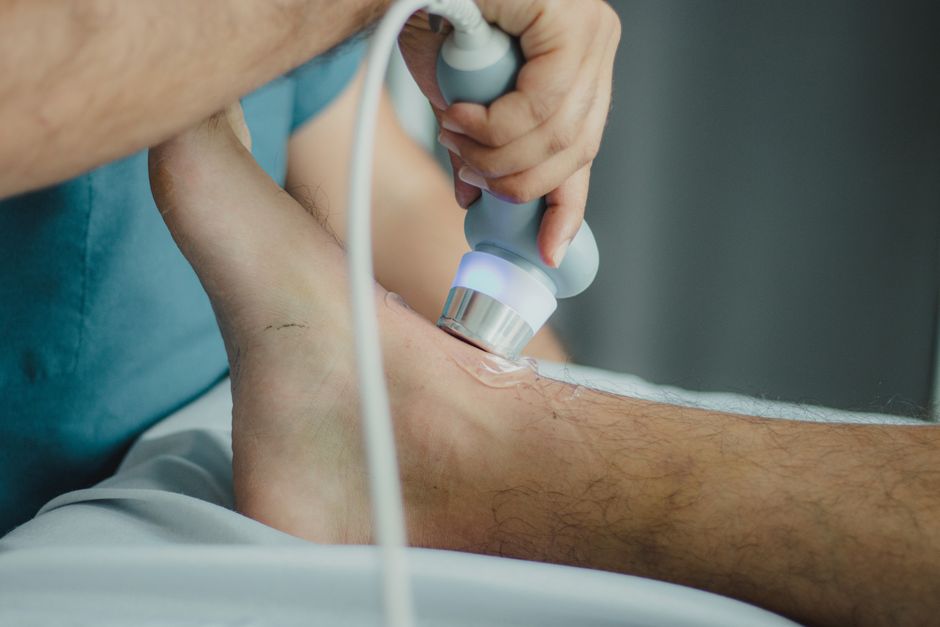
Some physical therapists also use electrical stimulation or laser therapy. The evidence for these specific add-ons is mixed. They are not the core of what physical therapy offers.
How Does Physical Therapy Help Neuropathy Symptoms?
The main benefit is not pain relief. It is function. Physical therapy helps you move more safely and confidently, which matters a great deal when nerve damage affects your feet.
Neuropathy often damages the sensory nerves in your feet. When you cannot feel the ground well, your brain gets less information about where your body is in space. This is called reduced proprioception. It makes balance harder. Falls become more likely. A fall can lead to fractures, wounds, and hospitalization — serious events, especially if healing is already compromised.
A physical therapist cannot restore the damaged nerves. What they can do is train the systems that remain. Your muscles, your vision, and your inner ear all contribute to balance. Strengthening those pathways can partially compensate for lost sensation. This is the core mechanism behind balance and gait training.
Research consistently shows that exercise and balance training reduce fall risk in older adults with peripheral neuropathy. The effect on pain itself is less clear. Some studies suggest exercise can modestly reduce neuropathic pain, but results vary and the evidence is not strong enough to promise pain relief.
One non-obvious point: pain and function are not the same thing. You can have significant pain and still improve your walking. Or you can have little pain but poor balance. Physical therapy tends to target function first, because that is where the evidence is strongest.
Which Types of Neuropathy Respond Best to Physical Therapy?
Physical therapy is most helpful for peripheral neuropathy that affects the feet and legs. This includes diabetic neuropathy, which is the most common type in the United States.
Diabetic peripheral neuropathy is a common reason people are referred to physical therapy. The goals are usually fall prevention, foot safety, and maintaining mobility. This is well established in clinical practice.
Other types where physical therapy may play a role include:
- Chemotherapy-induced peripheral neuropathy, where balance and strength work can help maintain function during and after treatment
- Neuropathy from vitamin deficiencies or alcohol use, once the underlying cause is being addressed
- Compressive neuropathies like carpal tunnel syndrome, where therapy focuses on nerve gliding and activity modification
For neuropathy caused by an ongoing disease process — diabetes being the clearest example — physical therapy works alongside medical management, not instead of it. Blood sugar control, when relevant, affects whether nerve damage progresses. No exercise program replaces that.
If the underlying cause is not being treated, physical therapy can still help you function better. But it will not stop the damage from continuing.
What Does the Evidence Actually Show?
The strongest evidence for physical therapy in neuropathy is for balance and fall prevention. This is not a controversial claim. Multiple studies and clinical guidelines support exercise-based balance training for people with peripheral neuropathy who are at risk of falls.
The evidence for pain reduction is weaker. Some trials show modest improvements. Others show little difference from control groups. The quality of studies varies. This does not mean it does not work for pain — it means we cannot say with confidence that it reliably does.
For specific techniques, here is an honest summary:
- Balance and strength training: Good evidence for improving balance and reducing falls
- Gait training: Reasonable evidence for improving walking speed and safety
- Electrical stimulation (TENS): Mixed evidence for pain; some people report benefit, others do not
- Laser therapy: Limited evidence; not established as effective
- Manual therapy: Some evidence for compressive neuropathies; less clear for peripheral neuropathy generally
No clinical evidence currently confirms that physical therapy can reverse nerve damage or cure neuropathy. Anyone claiming otherwise is overstating what is known.
What Happens During a Typical Physical Therapy Session?
Sessions vary widely depending on your goals and the therapist’s assessment. Most last 30 to 60 minutes. Frequency is typically one to three times per week, though this depends on your situation and insurance coverage.
A session might include:
- A warm-up, often walking or gentle movement
- Balance exercises with support as needed
- Strengthening exercises for legs, hips, and feet
- Practice with walking or transferring safely
- Stretching and cool-down
- Home exercise instruction
You will usually be given exercises to do at home. The home program matters. Progress happens between sessions, not just during them.
If something causes sharp pain or makes your symptoms worse, tell your therapist. Neuropathy pain can be unpredictable, and a good therapist will adjust the plan. Pushing through severe pain is not the goal.
How Long Does It Take to See Results?
Most people notice some improvement in balance or confidence within a few weeks. Strength changes take longer — often six to eight weeks or more of consistent work. Pain changes, if they happen at all, are unpredictable.
This timeline is general. It is not a promise. Recovery and progress depend on the cause of your neuropathy, how long you have had it, your overall health, and how consistently you practice.
Some people plateau. Some improve steadily. Some see little change. Physical therapy is not guaranteed to help everyone, and it is reasonable to reassess with your therapist if you are not seeing benefit after a fair trial.
Is Physical Therapy Worth Trying for Neuropathy?
For most people with neuropathy affecting balance or walking, physical therapy is worth trying. The risks are low. The potential benefits for function and safety are real.
It is not a cure. It will not undo nerve damage. It may or may not reduce your pain. But if you are worried about falling, if your walking has changed, or if you want to stay as mobile as possible, it is a reasonable step.
Talk to your doctor about a referral. If you have diabetic neuropathy, ask whether physical therapy should be part of your overall plan. And be honest with yourself about what you expect. Physical therapy works best when the goals are realistic — better balance, safer walking, maintained independence. Those are goals worth pursuing even when a cure is not available.
Frequently Asked Questions
Does physical therapy help neuropathy pain?
It may help somewhat, but the evidence for pain relief is mixed. The strongest evidence is for improving balance and reducing fall risk, not for directly reducing neuropathic pain.
Can physical therapy reverse nerve damage from neuropathy?
No. Physical therapy cannot reverse nerve damage. It can help you compensate for lost sensation and strength, but it does not repair nerves.
How often should I do physical therapy for neuropathy?
Most people attend one to three sessions per week, but this varies based on your needs and insurance. Your therapist will recommend a frequency after assessing you.
Is walking good for neuropathy in the feet?
Walking is generally safe and often helpful for maintaining mobility, but if you have significant balance problems or foot wounds, talk to your doctor or therapist first. Support and supervision may be needed.
