
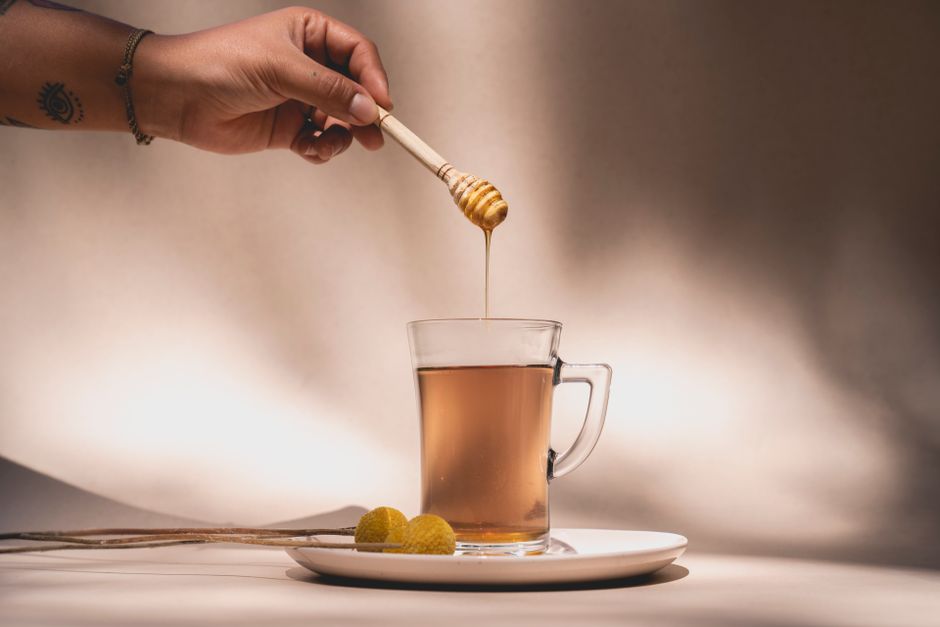
Raw honey is honey that has not been heated above the natural temperature of the hive or finely filtered. This keeps its natural enzymes, antioxidants, and some plant compounds intact. You can eat it daily, use it as a cooking substitute for refined sugar, and apply it to your skin as a moisturizing or soothing ingredient. The key is knowing which type of honey to buy and how to handle it safely, especially for infants.
What Makes Raw Honey Different From Regular Honey?
Most honey sold in supermarkets is pasteurized. Pasteurization heats the honey to high temperatures to kill yeast and prevent crystallization. This process also destroys some of the natural enzymes and antioxidants found in the raw product.
Raw honey comes straight from the hive. Beekeepers typically strain it through a mesh to remove debris like beeswax and dead bee parts, but they do not heat it. The result is a thicker, cloudier product that may crystallize over time. Crystallization is normal and does not mean the honey has spoiled.
The main nutritional difference is subtle. Both raw and regular honey contain similar amounts of sugar and calories. Raw honey may contain slightly higher levels of antioxidants and enzymes, but the amounts vary widely depending on the flower source and region. Some research suggests that certain types of raw honey, particularly darker varieties like buckwheat honey, have more antioxidant activity than lighter honeys.
How To Eat Raw Honey Safely
Eating raw honey is simple. You can take a spoonful directly, stir it into tea, or spread it on toast. It dissolves well in warm liquids. Avoid adding raw honey to boiling water or cooking it at high heat if you want to preserve its natural enzymes, though the practical benefit of doing so is modest.
The daily amount matters. Honey is still sugar. The American Heart Association recommends limiting added sugar to no more than 36 grams per day for men and 25 grams per day for women. One tablespoon of honey contains about 17 grams of sugar. This means one to two tablespoons of honey per day fits within most healthy sugar limits, but it should replace other added sugars, not add to them.
Do not give raw honey to infants under 12 months old. Honey can contain spores of Clostridium botulinum, the bacteria that causes botulism. Older children and adults have digestive systems that handle these spores without issue, but an infant’s immature gut cannot. Infant botulism is rare but serious. This warning applies to all honey, raw or pasteurized.
People with pollen allergies sometimes worry about raw honey. Raw honey does contain trace amounts of pollen, but the amount is generally too small to trigger allergic reactions in most people. However, anyone with a severe allergy to specific plant pollens should be cautious. In rare cases, honey can cause a serious allergic reaction called anaphylaxis, though this is uncommon.
Can You Cook And Bake With Raw Honey?
Yes, raw honey works well in cooking and baking. It adds moisture, flavor, and natural sweetness. But it behaves differently from white sugar in recipes.
Honey is sweeter than sugar. When substituting honey for sugar in a recipe, use about 75 percent of the amount of sugar called for. For example, if a recipe calls for one cup of sugar, use three-quarters of a cup of honey. Honey also adds liquid to recipes. Reduce the other liquids in the recipe by about one-quarter cup for each cup of honey used.
Honey browns faster than sugar. Baked goods made with honey can darken more quickly on the outside. If you notice this happening, lower the oven temperature by about 25 degrees Fahrenheit.
Raw honey may crystallize in storage. This does not ruin it. To reliquefy it, place the closed jar in a bowl of warm water. Do not microwave honey. Microwave heating can create hot spots that degrade enzymes and may make the honey dangerously hot in some areas while still cool in others.
Raw honey is not ideal for every cooking application. Its distinct floral flavors can change the taste of savory dishes. Mild honeys like clover or orange blossom work better in general cooking. Stronger varieties like buckwheat honey can overpower other ingredients.




How To Use Raw Honey On Your Skin
Honey has been used on skin for thousands of years. Historical records from ancient Egypt describe honey-based ointments. Modern research has focused on medical-grade honey, which is sterilized through gamma radiation without losing its active properties.
The skin benefits of honey come from several mechanisms. Honey is hygroscopic, meaning it draws moisture from the air to the skin. This makes it a natural humectant. It also has antibacterial properties, largely due to its low water content, acidic pH, and the presence of hydrogen peroxide produced by an enzyme called glucose oxidase.
For everyday skin use, raw honey can be applied as a simple face mask. Apply a thin layer to clean, damp skin. Leave it on for about 15 to 20 minutes. Rinse with warm water. Some people do this once or twice a week for added moisture.
Raw honey may help with minor skin issues like dryness and mild irritation. The evidence for using honey on acne is mixed. Some laboratory studies show honey inhibits acne-causing bacteria, but clinical trials in humans are limited. It may help as an adjunct to standard acne treatments, but it is not a proven standalone therapy.
Do not use raw honey on open wounds. Raw honey is not sterile. It can contain spores and microbes from the environment. For wound care, only use medical-grade honey products that have been sterilized and are sold specifically for this purpose. These products are regulated and tested. Raw honey from a jar is not a substitute.
People with diabetes or sensitive skin should patch test before applying honey to large areas. Apply a small amount to the inside of your forearm and wait 24 hours to check for a reaction.
What To Look For When Buying Raw Honey
Labels can be confusing. The term “raw” is not strictly regulated by the FDA. Some producers label honey as raw even if it has been gently heated. Others use terms like “unfiltered” or “unpasteurized,” which may mean different things.
Look for honey labeled “raw” that also states it has not been heated above hive temperature. Ideally, buy from a local beekeeper whose practices you can ask about directly. Farmers markets are good places to find this.
Color is not a reliable indicator of quality, but it does indicate flavor. Light honeys like acacia and clover have mild flavors. Dark honeys like buckwheat and manuka have stronger, more robust tastes. Darker honey generally contains more antioxidants.
Manuka honey deserves special mention. It comes from the manuka bush in New Zealand and Australia. It contains a compound called methylglyoxal that gives it unique antibacterial properties. Manuka honey is rated by a UMF (Unique Manuka Factor) or MGO (Methylglyoxal) score. Higher scores indicate stronger antibacterial activity. This honey is much more expensive than regular honey. For general eating and skin use, standard raw honey works fine. Manuka honey is primarily relevant for specific medicinal uses, and even then, the evidence for its superiority over other honeys in clinical settings is still being studied.
Does Raw Honey Go Bad?
Raw honey does not spoil in the traditional sense. Its low moisture content and acidic pH create an environment where bacteria and yeast cannot survive. Archaeologists have found edible honey in ancient Egyptian tombs thousands of years old.
Honey can, however, change over time. It may crystallize, darken, or develop a slightly different flavor. These changes are natural and do not indicate spoilage. Crystallized honey is safe to eat. You can eat it in its solid form or gently warm it back to liquid.
Honey can ferment if it absorbs moisture from the air. This happens if the container is left open in a humid environment. Fermented honey develops a yeasty smell and may bubble. If you notice this, discard it.
Store honey in a tightly sealed container at room temperature. Refrigeration speeds up crystallization, so it is not recommended. Keep it away from direct sunlight and heat sources.
Common Myths About Raw Honey
Myth: Raw honey cures allergies. The idea is that eating local honey exposes you to local pollen, building immunity. The evidence does not support this. Most pollen in honey comes from flowers that bees visit, not from wind-pollinated plants that cause seasonal allergies. Studies on honey for allergic rhinitis have shown mixed results at best. Some research suggests honey may slightly improve symptoms, but it is not a reliable treatment.
Myth: Raw honey is a health food you can eat freely. Honey is still sugar. It has slightly more nutrients than refined sugar, but the amounts are negligible in normal serving sizes. Eating large amounts of honey can raise blood sugar and contribute to weight gain, just like any other sweetener.
Myth: All honey is the same. The type of flower the bees visit changes the honey’s color, flavor, and chemical composition. Some honeys have been tested for specific medicinal properties. Others are primarily culinary. Knowing your source matters.
Frequently Asked Questions
Is raw honey safe to eat every day?
Yes, raw honey is safe for healthy adults to eat daily. Limit intake to one to two tablespoons per day so it fits within recommended added sugar limits.
Can I use raw honey instead of sugar in baking?
Yes, but you must adjust the recipe. Use about three-quarters cup of honey for each cup of sugar and reduce the other liquids in the recipe by about one-quarter cup.
Can I put raw honey directly on my face?
Yes, raw honey can be applied as a face mask for moisture. Leave it on for 15 to 20 minutes, then rinse with warm water, but do not use it on open wounds.
Why can’t babies have raw honey?
Infants under 12 months cannot safely eat honey because it may contain botulism spores. Their digestive systems are not mature enough to handle these spores, which can cause serious illness.
