
Psyllium husk is a soluble fiber that comes from the seeds of the Plantago ovata plant. It works by absorbing water in your digestive tract, forming a gel-like bulk that helps move waste through your system. To use it correctly, you need the right form, the right timing, and the right amount of water. Start with a small dose, mix it thoroughly with liquid, and take it at the same time each day for the best results.
What Forms Does Psyllium Husk Come In?
Psyllium is sold in two main forms: powder and capsules. Both come from the same fiber, but they are not interchangeable in how you take them.
Powder is the most common form. You mix it with water, juice, or another liquid and drink it quickly before it thickens. Powders may be plain or flavored. Some contain added sugar, artificial sweeteners, or other ingredients. Check the label if you are watching your sugar intake or trying to avoid additives.
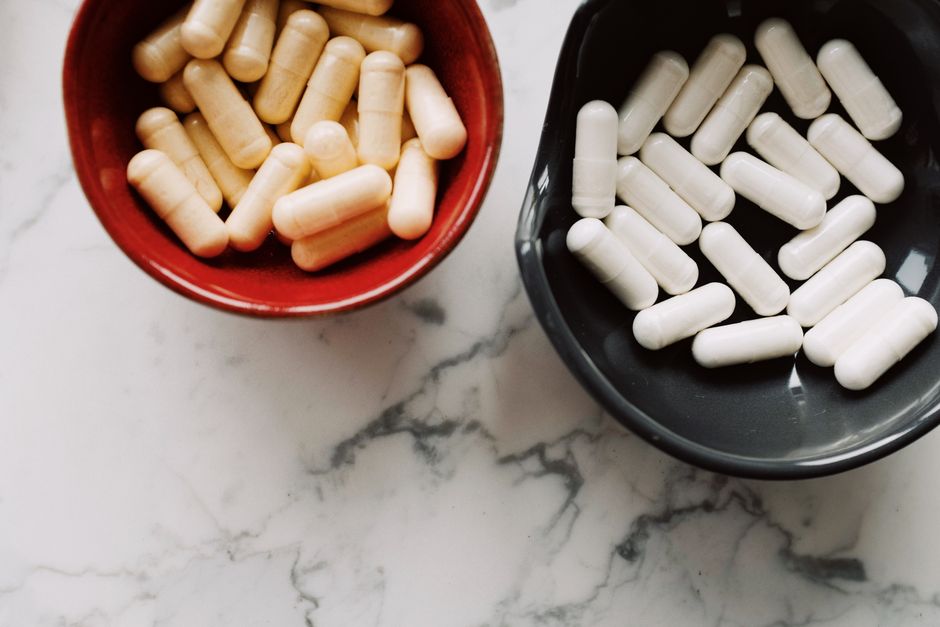
Capsules are convenient but require more of them to get the same dose as powder. A typical capsule contains about 0.5 to 0.9 grams of psyllium. You may need to take several capsules to equal one scoop of powder. Capsules also need to be taken with plenty of water, just like powder.
There is also whole husk, which is the raw form of the seed coating. It is less processed than powder but behaves similarly in the gut. Some people prefer it because it has fewer additives. The texture is coarser, and it may be harder to mix smoothly.
No form is inherently better than another. The right choice depends on your routine and what you can stick with consistently.
How Much Psyllium Husk Should You Take?
Most commercial psyllium products come with specific dosing instructions on the label. Follow those instructions first. They are based on the concentration of fiber in that particular product.
For general digestive health, typical doses range from about 3 to 7 grams per serving. Most people take one to three servings per day. If you are new to psyllium, start with a smaller amount, such as half a serving, and increase gradually over one to two weeks.
Your body needs time to adjust to additional fiber. Starting too high too fast can cause bloating, gas, cramping, or constipation. These side effects are common when fiber intake increases suddenly.
There is no official recommended daily dose of psyllium husk as a standalone supplement. The FDA has approved specific health claims for certain psyllium products related to heart health, but those claims apply to the specific amounts tested in those products. Read the label of the product you bought and use that as your guide.
How Much Water Do You Need With Psyllium?
Water is not optional with psyllium. It is essential.
Psyllium forms a gel when it meets water. If you do not drink enough, that gel can become thick and sticky, potentially causing blockage in your throat or intestines. This is a real risk, not a theoretical one. Esophageal obstruction and intestinal blockage have been reported when psyllium is taken without adequate fluid.
For each dose of psyllium, you need at least a full glass of liquid. That means 8 ounces or about 240 milliliters. Some experts recommend more, especially if you take multiple doses per day. You also need your normal daily fluid intake on top of that. General guidance for adults is about 8 to 12 cups of fluid per day, though individual needs vary based on activity, climate, and other factors.
Mix the powder into the liquid, stir thoroughly, and drink it immediately. Do not let it sit. The mixture will continue to thicken and may become too gel-like to swallow comfortably.



When Is the Best Time to Take Psyllium Husk?
Timing matters less than consistency. The most important thing is to take psyllium at a time you can repeat every day.
Many people take psyllium in the morning with breakfast. This can help establish a routine and may support regularity throughout the day. Others prefer taking it before bed. Some research suggests that taking psyllium before meals may help with blood sugar control, but the evidence is not strong enough to make a universal recommendation.
If you take medication, timing becomes more important. Psyllium can slow the absorption of some medications. To be safe, take psyllium at least two hours before or two hours after your medications. This reduces the chance of the fiber interfering with how your body absorbs the drug.
If you take psyllium for constipation, you may find it works best when taken consistently at the same time each day. The fiber needs to move through your system regularly. Skipping days or taking it at wildly different times can make results unpredictable.
Can You Mix Psyllium Husk With Food or Drinks?
Yes. Psyllium powder can be mixed into foods and beverages beyond plain water.
Juice is a common choice because it can mask the texture and taste. Apple juice, orange juice, or cranberry juice all work well. You can also mix psyllium into smoothies, yogurt, oatmeal, or applesauce. The powder blends into these foods more easily than into plain water.
Avoid carbonated drinks. The bubbles can cause gas and bloating when combined with fiber. Also avoid taking psyllium dry. Never swallow the powder by itself without liquid. It can clump in your throat and cause choking.
Some people mix psyllium into baked goods like muffins or bread. This works, but it changes the texture of the final product. The gel-forming property of psyllium can make baked goods denser and moister. If you bake with psyllium, you may need to adjust the liquid in the recipe.
Whatever you mix it into, always follow the same rule: consume it quickly and ensure you are getting enough total fluid for the day.
What Are the Side Effects and Who Should Avoid Psyllium?
Common side effects include bloating, gas, and mild stomach discomfort. These usually improve within a few days as your digestive system adjusts. If they persist or worsen, reduce your dose or stop taking it and talk to your doctor.
Serious side effects are rare but possible. They include choking, difficulty swallowing, and intestinal blockage. These are more likely if you take psyllium without enough water or if you have a narrowing in your esophagus or intestines.
People with difficulty swallowing should avoid psyllium. People with a history of intestinal obstruction or strictures should also avoid it unless their doctor approves. If you have chronic constipation that does not respond to fiber, see a doctor before continuing to use psyllium. It may indicate a more serious underlying condition.
Psyllium can affect blood sugar levels in people with diabetes. It may slow glucose absorption, which can be helpful, but it can also change how your diabetes medications work. Monitor your blood sugar closely if you start taking psyllium and have diabetes.
Pregnant and breastfeeding women should consult their doctor before using psyllium. No specific harm is known, but clinical guidance for this population is limited.
How Long Does It Take for Psyllium to Work?
Psyllium is not a quick fix. It is not like a stimulant laxative that produces a bowel movement within hours.
For constipation relief, psyllium typically takes 12 to 72 hours to produce results. It works by adding bulk to your stool and softening it, which happens gradually as the fiber moves through your colon. Some people notice a difference within a day. Others need several days of consistent use.
For cholesterol-lowering effects, results take longer. Clinical studies typically measure changes after four to twelve weeks of daily use. The effect is modest but real in many people.
For blood sugar management, the effect is more immediate. Taking psyllium with a meal can slow the absorption of carbohydrates, which may reduce the spike in blood sugar after eating. This effect is seen within hours but requires consistent use to be meaningful.
Frequently Asked Questions
Can I take psyllium husk every day?
Yes, psyllium is safe for daily use by most healthy adults when taken with adequate water.
If you have a medical condition or take regular medication, check with your doctor before starting a daily routine.
What happens if I take psyllium without enough water?
Psyllium can swell and form a thick gel that may cause choking or intestinal blockage.
Always take each dose with at least a full glass of liquid and maintain normal fluid intake throughout the day.
Can I take psyllium husk with other laxatives?
Combining psyllium with stimulant laxatives should be done only under medical supervision.
The combination can increase the risk of dehydration and electrolyte imbalance.
Does psyllium husk interact with medications?
Psyllium can slow the absorption of some medications taken at the same time.
Take psyllium at least two hours apart from your medications to reduce this risk.
