
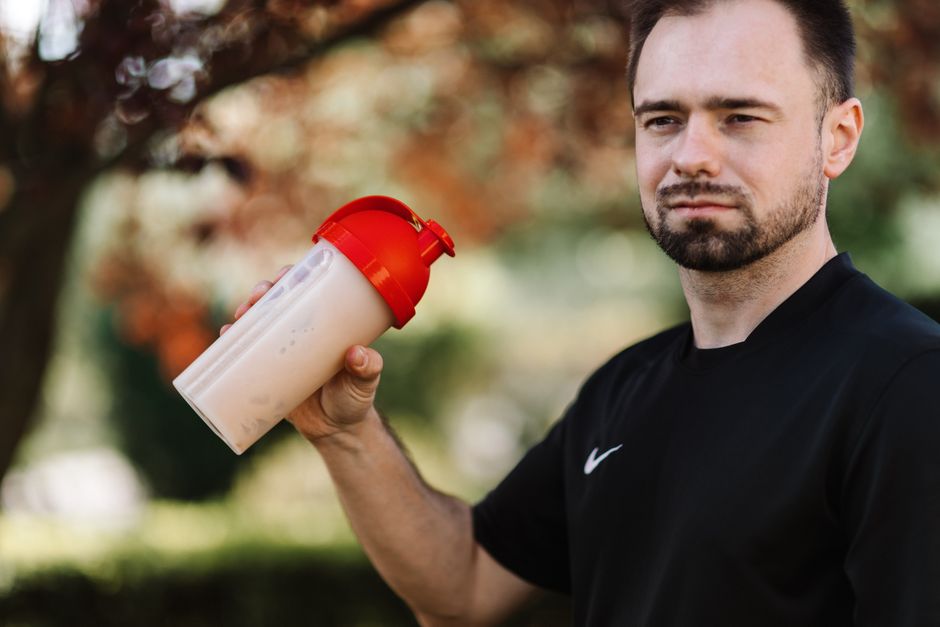
Protein powder can help with weight loss when used correctly. It boosts satiety, helps preserve muscle during a calorie deficit, and makes it easier to meet your daily protein needs. The key is to use it as a tool within a balanced diet, not as a magic fix.
How can protein powder help with weight loss?
Protein powder supports weight loss through several well-established mechanisms. First, protein is more filling than carbohydrates or fat. A protein shake can reduce hunger for hours, making it easier to eat fewer calories overall. Second, your body burns more calories digesting protein than it does digesting other nutrients. This is called the thermic effect of food. Third, when you lose weight, you naturally lose some muscle along with fat. Getting enough protein helps preserve muscle mass, which keeps your metabolism from slowing down too much.
Studies consistently show that higher protein diets promote greater fat loss while preserving lean tissue. Protein powder is simply a convenient way to increase your protein intake without adding many extra calories.
How much protein powder should you take for weight loss?
Most adults need about 0.8 grams of protein per kilogram of body weight per day just to maintain basic functions. For weight loss, research suggests aiming higher — around 1.2 to 1.6 grams per kilogram of body weight. That means a person who weighs 68 kilograms (150 pounds) would need 82 to 109 grams of protein daily.
A single scoop of protein powder typically provides 20 to 30 grams of protein. This can cover about one-quarter of your daily target. Spread your protein intake across meals and snacks rather than consuming it all at once. That helps your body use it more effectively and keeps you full throughout the day.
No clinical guidelines currently recommend taking more than 2 grams per kilogram of body weight from protein powder alone. Stick to the 1.2 to 1.6 range and get the rest from whole foods like eggs, chicken, fish, beans, and yogurt.
When is the best time to take protein powder for weight loss?
The timing matters less than the total amount you eat each day. That said, some strategies can help. Having a protein shake between meals can prevent snacking on less healthy options. Many people find that a protein shake for breakfast keeps them satisfied until lunch.
Drinking a protein shake within an hour after exercise may help repair muscle and support recovery. This is especially useful if you are working out while trying to lose weight. The protein helps your body rebuild muscle that gets broken down during exercise.
Some people use a protein shake as a late-night snack to curb cravings. A 30-gram shake before bed may also support overnight muscle repair. But if you prefer having it at a different time, that is fine. Consistency matters more than perfect timing.




Which type of protein powder is best for weight loss?
Whey protein is the most studied and fastest-absorbing option. It contains all essential amino acids and is effective for muscle preservation. Whey isolate has less fat and carbs than whey concentrate, making it a lower-calorie choice.
Plant-based protein powders, such as pea, soy, or rice protein, can work just as well for weight loss. They tend to be higher in fiber, which adds to fullness. Some plant blends combine different sources to provide a complete amino acid profile.
Casein protein digests slowly, which may keep you full longer than whey. It is often taken before bed. However, for weight loss, the total protein intake matters more than the type. Choose a powder that fits your dietary preferences and budget.
Avoid protein powders with added sugars or fillers. Check the label for ingredients like maltodextrin, artificial sweeteners, or gums that add calories without nutritional benefit. The best choice is one with minimal ingredients and at least 20 grams of protein per serving.
Can protein powder replace a meal for weight loss?
Using a protein shake to replace a meal can help reduce calorie intake, but it is not a long-term solution. Whole foods provide fiber, vitamins, minerals, and other nutrients that protein powder lacks. Replacing one meal temporarily may help jumpstart weight loss, but you should aim to get most of your nutrition from real food.
If you do use a shake as a meal replacement, choose one that contains fiber and healthy fats, not just protein. Some people blend their powder with fruit, spinach, and nut butter to make a more balanced meal. Even then, this should not become your regular breakfast or lunch for months at a time.
The evidence does not support replacing more than one meal per day with a protein shake for extended periods. For sustainable weight loss, focus on building healthy eating habits that include a variety of whole foods.
Are there any risks or side effects of using protein powder for weight loss?
Protein powder is generally safe for healthy adults when used as directed. Some people experience digestive issues like bloating, gas, or diarrhea, especially if they are not used to high protein intake or if they have lactose intolerance (common with whey). Plant-based powders or lactose-free whey isolates can reduce these symptoms.
Relying too heavily on protein powder can lead to a low intake of fiber and other nutrients. This may cause constipation or nutrient deficiencies over time. Always prioritize whole foods and use powder as a supplement, not a replacement for a balanced diet.
People with kidney disease should be cautious with high protein intake. If you have a history of kidney problems, talk to your doctor before starting protein supplements. Otherwise, for most people, moderate protein powder use is safe.
Be aware that protein powder is a dietary supplement, not a regulated drug. The FDA does not approve protein powders for safety or effectiveness. Choose reputable brands that undergo third-party testing to ensure they contain what the label says and are free of contaminants.
Frequently Asked Questions
Does protein powder cause weight gain?
Protein powder itself does not cause weight gain. Weight gain happens when you eat more calories than you burn. Protein powder contains calories, so if you add it to your diet without adjusting other foods, you could gain weight.
Is whey or plant protein better for weight loss?
Both can work equally well for weight loss. Choose based on your dietary needs and tolerance. Whey is fast-absorbing and complete, while plant powders often contain more fiber and are suitable for vegans.
Can I take protein powder if I am not exercising?
Yes. Protein powder can still help with hunger control and meeting protein needs even without exercise. However, the muscle-preserving benefit is strongest when combined with resistance training.
How long does it take to see results with protein powder?
Results depend on your overall diet and activity level. Most people notice reduced hunger and easier calorie control within a few days. Visible weight loss typically takes several weeks of consistent effort.
