
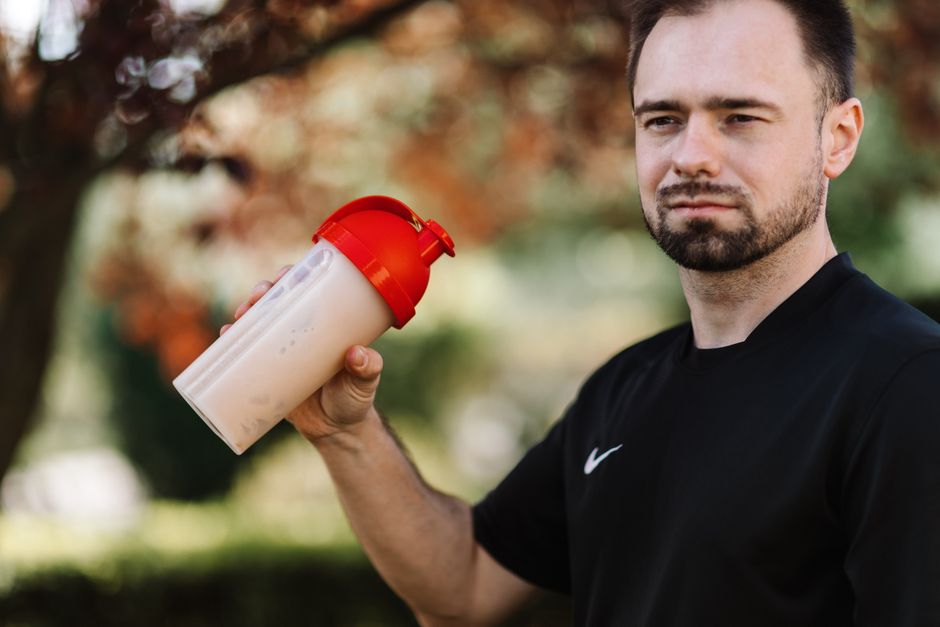
There is no single best protein powder for weight loss. The one that works is the one you will actually use, that fits your budget, and that does not add a lot of calories you were not counting on. Whey and casein have the most research behind them, plant proteins are a solid option if dairy does not agree with you, and the label matters more than the type.
Protein powder is a tool, not a treatment. It can help you hit a protein target that keeps you full and protects muscle while you eat fewer calories. It cannot do the work of a calorie deficit on its own.
Does Protein Powder Actually Help With Weight Loss?
Protein helps with weight loss through appetite, not through any special fat-burning effect. It is the most satiating of the three macronutrients, meaning it keeps you fuller longer than the same calories from fat or carbohydrate. That is well established.
Protein also helps preserve lean muscle when you are eating less. When you cut calories, your body can break down muscle for energy. Adequate protein plus resistance training reduces that loss. This matters because muscle burns more calories at rest than fat does, and losing muscle makes it harder to keep weight off.
A protein shake is simply a convenient way to get 20 to 30 grams of protein without cooking. If you already eat enough protein from food, a shake adds calories you do not need. If you struggle to hit your protein target, it fills a gap.
The research on protein powder specifically, rather than protein in general, is thinner than most marketing suggests. Most studies look at total protein intake, not the powder itself. So the honest position is this: powder helps when it helps you reach a protein goal you were otherwise missing.
Whey vs. Casein vs. Plant Protein: What’s the Difference?
Whey and casein both come from milk. Whey digests quickly and is high in leucine, an amino acid that triggers muscle protein synthesis. Casein digests slowly and tends to keep you full longer. Both are complete proteins, meaning they contain all nine essential amino acids your body cannot make on its own.
Plant proteins vary more. Soy is a complete protein and has a solid research base. Pea and rice are each low in certain amino acids, but blended together they cover the gaps. Many commercial plant powders already do this blending.
For weight loss specifically, the differences between these types are small compared to the differences in how you use them. A scoop of whey and a scoop of pea protein are close in calories and protein. The one that matters is the one you will drink.
| Type | Digestion | Complete protein | Notes |
|---|---|---|---|
| Whey | Fast | Yes | Most studied; contains lactose |
| Casein | Slow | Yes | May keep you fuller longer |
| Soy | Moderate | Yes | Strong research base |
| Pea | Moderate | No, unless blended | Often paired with rice |
| Rice | Moderate | No, unless blended | Low in lysine |
What Should You Look For on the Label?
Start with protein per scoop and calories per scoop. A powder with 25 grams of protein and 120 calories is doing more work for you than one with 15 grams of protein and 200 calories. That ratio is the single most useful number on the tub.
Then look at the ingredient list. It should be short. Protein, an emulsifier like lecithin, maybe a flavor and a sweetener. Long lists often mean fillers, added sugars, or thickeners that add calories without adding protein.
Watch for these:
- Added sugar. Some powders are closer to milkshake mix. Check the grams of added sugar per scoop.
- Protein spiking. A practice where manufacturers add cheap amino acids like glycine or taurine to inflate the protein number on the label. These are not complete protein. Third-party testing helps catch this.
- Proprietary blends. If the label lists a blend without amounts, you cannot tell how much of each ingredient you are getting.
- Heavy metals. Some independent testing has found detectable levels of lead, cadmium, and other metals in certain protein powders, particularly plant-based ones. Levels varied widely by brand. Choosing products that publish third-party test results is a reasonable precaution.
Third-party certifications are worth looking for. NSF Certified for Sport and Informed Sport both verify that what is on the label is in the tub and that banned substances are absent. These cost the manufacturer money, which is one reason not every brand has them.





Do Meal Replacement Shakes Work for Weight Loss?
Replacing one or two meals a day with a protein shake can produce weight loss in the short term. Some studies show this. The problem is what happens after.
Shakes are easy to stick with for a few weeks. They are much harder to stick with for a year. When people go back to eating normally, the weight tends to come back. This is not a failure of willpower. It is how restrictive approaches usually play out.
A shake used as a snack or a post-workout drink is a different thing from a shake used to skip breakfast and lunch. The first is a tool. The second is a diet that ends.
If you do use shakes as meal replacements, make sure the rest of your day covers your nutritional needs. A shake rarely provides the fiber, vitamins, and minerals a whole meal does. Some products are fortified to close that gap. Many are not.
How Much Protein Do You Actually Need?
The Recommended Dietary Allowance for protein is 0.8 grams per kilogram of body weight per day for most adults. That is the amount to prevent deficiency, not the amount to support weight loss or muscle building.
For adults trying to lose fat while preserving muscle, many researchers and clinicians suggest higher intakes. A commonly cited range is 1.2 to 1.6 grams per kilogram of body weight per day, with some going higher during aggressive calorie restriction. This is a general direction from the sports nutrition literature, not a single official guideline.
Here is the part people miss. You probably do not need a powder to hit that range. A chicken breast, a cup of Greek yogurt, a can of tuna, or three eggs each deliver 20 to 30 grams of protein. Powder is convenient, not magic. If you can get there with food, you do not need to buy anything.
There is one population where the math changes. People over 60 tend to need more protein per meal to trigger the same muscle-building response, a concept called anabolic resistance. For them, a higher total intake and protein spread across meals matters more. This is an area of active research, and specific targets are still debated.
Are There Risks or Downsides?
For most healthy adults, protein powder is not dangerous. That said, a few things are worth knowing.
People with kidney disease should talk to their doctor before increasing protein intake. For people with healthy kidneys, higher protein intakes have not been shown to cause kidney damage in the research to date. That is a meaningful distinction and one that often gets blurred.
Lactose intolerance is common, and whey concentrate contains lactose. Whey isolate has less. Plant proteins avoid the issue entirely.
Some people get bloating or digestive discomfort from sugar alcohols used as sweeteners, like sorbitol and maltitol. If a powder upsets your stomach, the sweetener is often the culprit, not the protein.
Finally, protein powder is a supplement. In the United States, supplements are regulated differently from drugs. They do not need FDA approval before they are sold. That is why third-party testing matters more here than it does for most food products.
So Which One Should You Buy?
If you tolerate dairy, a whey or whey-casein blend with at least 20 grams of protein and under 150 calories per scoop is a reasonable default. It has the most research behind it and usually costs less than plant alternatives.
If you avoid dairy, a blended pea and rice protein, or soy, will do the same job. Look for one with third-party testing.
If you are vegetarian, vegan, or have a soy allergy, the plant options cover you. If you are pregnant or breastfeeding, there are no established guidelines for protein powder use specifically, so talk to your doctor before adding one.
Whatever you pick, the powder is the small part of the equation. Total calories, total protein, and whether you can keep it up for months rather than weeks are what actually move the number on the scale.
Frequently Asked Questions
What is the best protein powder for weight loss?
Whey protein has the most research behind it and is a sensible default if you tolerate dairy. Plant blends work just as well for weight loss if they fit your diet.
How much protein powder should I take a day?
There is no standard dose. Most people use one or two scoops a day to fill a gap between what they eat and their protein target.
Can protein powder help me lose belly fat?
No food or supplement targets belly fat specifically. Protein powder can help you stay full and preserve muscle while you eat fewer calories overall.
Is it safe to replace meals with protein shakes?
Short-term meal replacement can lead to weight loss, but the weight often returns once normal eating resumes. Whole meals provide fiber and nutrients a shake usually does not.
