
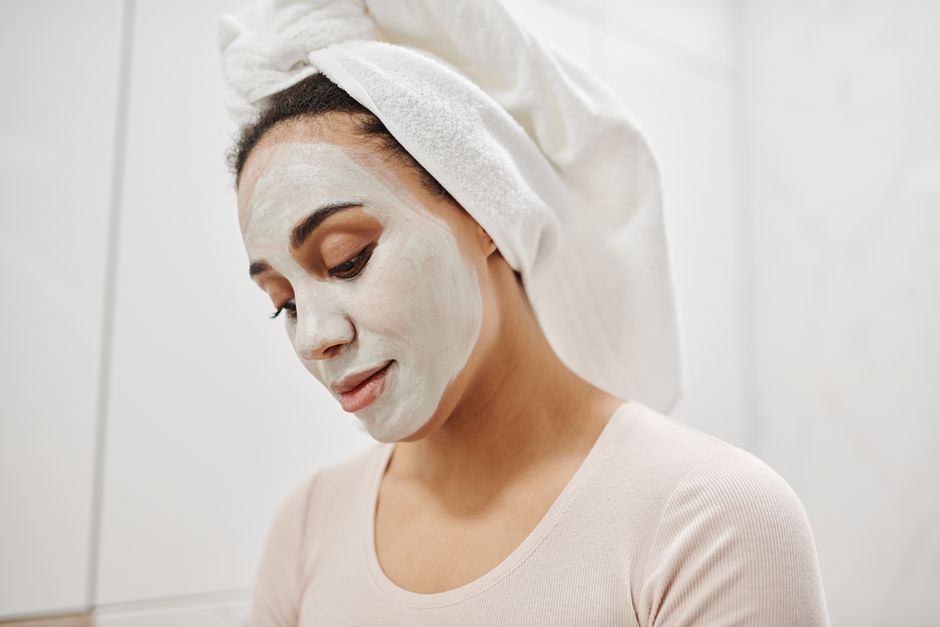
Proactiv is a three-step acne treatment system that combines benzoyl peroxide, a proven acne-fighting ingredient, with exfoliating and moisturizing steps. When used correctly, the routine is straightforward: apply the renewing cleanser, then the pore-targeting treatment, and finish with the repairing lotion. Most people see initial improvement within a few weeks, but the real results come from consistent, twice-daily use for at least eight to twelve weeks.
What Is the Proactiv 3-Step System and How Does It Work?
The classic Proactiv system contains three products designed to be used together. The first step is the Renewing Cleanser, which uses microcrystals to gently exfoliate the skin. The second step is the Revitalizing Toner, which helps remove dead skin cells and prepare the skin.
The third step is the Repairing Treatment. This is the core of the system. It contains benzoyl peroxide, typically at a 2.5% concentration. Benzoyl peroxide works by killing the bacteria that contribute to acne (Propionibacterium acnes) and by helping to clear blocked pores.
All three products work together. The cleanser removes surface oil and dirt. The toner exfoliates. The treatment delivers the active medication deep into the pore. This combination targets the two main causes of acne: excess oil and bacteria.
How To Use Proactiv Routine Tips And What To Expect?
Start slowly. Your skin needs time to adjust to benzoyl peroxide. For the first week, use the system once daily, preferably in the morning. If your skin tolerates it well, add the evening application in the second week.
Here is the exact order for each application:
- Wet your face with lukewarm water.
- Apply a small amount of the cleanser and massage gently for one to two minutes.
- Rinse thoroughly and pat your skin dry with a clean towel.
- Apply the toner to a cotton pad and sweep it across your face, avoiding the eye area.
- Wait one to two minutes for the toner to dry.
- Apply a thin layer of the repairing treatment to the entire face, not just spots.
- Finish with the repairing lotion to moisturize.
Use a pea-sized amount of the treatment. More is not better. Applying too much increases irritation without improving results. The lotion is essential. Benzoyl peroxide is drying, and the moisturizer helps maintain your skin barrier.
Expect some dryness, flaking, and mild redness during the first two weeks. This is a normal reaction called retinization, though it is caused by benzoyl peroxide rather than a retinoid. If the irritation is severe, with burning, swelling, or peeling that feels painful, reduce use to every other day.
Why Benzoyl Peroxide Is the Active Ingredient
Benzoyl peroxide has been used to treat acne for decades. It is one of the most studied acne treatments available. Unlike antibiotics, which bacteria can develop resistance to, benzoyl peroxide does not have this problem. It works by releasing oxygen into the pore, which kills the acne-causing bacteria.
The 2.5% concentration in Proactiv is worth noting. Research has found that 2.5% benzoyl peroxide is just as effective as 5% and 10% concentrations but causes significantly less irritation. This makes Proactiv a reasonable choice for people with mild to moderate acne.
Benzoyl peroxide can bleach hair and fabrics. Be careful with towels, pillowcases, and shirts. Apply the treatment and wait until it is fully dry before touching your face to clothing or bedding.




How Long Before You See Results?
Acne treatments take time. Benzoyl peroxide does not work overnight. Most clinical studies measure results after eight to twelve weeks of consistent use. Some people notice improvement in two to three weeks, but this is not universal.
Here is what a realistic timeline looks like:
- Week 1-2: Skin adjusts. Dryness and possible purging. Purging means existing blocked pores come to the surface as pimples. This is not the treatment failing.
- Week 3-4: Irritation usually subsides. Some reduction in new breakouts.
- Week 8-12: Clear improvement in overall skin clarity for many users.
If you see no improvement after twelve weeks of consistent use, the system may not be right for your skin type. Acne has many causes, and benzoyl peroxide only addresses bacterial and pore-blocking factors. Hormonal acne often requires different treatment.
Common Mistakes That Ruin Results
Many people use Proactiv incorrectly and then conclude it does not work. The most common mistakes are easy to fix.
Skipping the moisturizer. The repairing lotion is not optional. Benzoyl peroxide damages the skin barrier if used without a moisturizer. A damaged barrier leads to more oil production and more breakouts.
Using too much treatment. A thin layer is all you need. Thick layers do not penetrate deeper. They only increase irritation.
Spot-treating only. Benzoyl peroxide works best when applied to the entire affected area. Acne bacteria live all over your face, not just in visible pimples. Applying only to spots misses the bacteria in pores that have not yet formed pimples.
Stopping too early. Many people quit after two weeks because their skin looks worse. The initial purge phase is temporary. Stopping before eight weeks means you never gave the treatment a fair chance.
Combining with other harsh actives. Do not use Proactiv at the same time as prescription retinoids, high-strength salicylic acid peels, or other benzoyl peroxide products. This dramatically increases irritation. If you use other actives, alternate them on different days.
Who Should Not Use Proactiv
Proactiv is not for everyone. People with sensitive skin, rosacea, or eczema may find benzoyl peroxide too irritating. If you have these conditions, talk to a dermatologist before starting.
Pregnant or breastfeeding women should consult their doctor. Benzoyl peroxide is generally considered safe during pregnancy in small amounts, but clinical guidance recommends checking with a healthcare provider first. No large trials have specifically studied Proactiv in pregnancy.
People with severe acne, cystic acne, or acne that leaves scars should see a dermatologist. Over-the-counter treatments like Proactiv are designed for mild to moderate acne. Severe acne often requires prescription medications such as topical retinoids, oral antibiotics, or isotretinoin.
If you are currently using prescription acne medication, do not add Proactiv without asking your doctor. The combination may be too strong or may interfere with your prescription.
How Proactiv Compares to Other Acne Treatments
Proactiv is not the only option. Understanding your alternatives helps you make an informed choice.
| Treatment | Active Ingredient | Best For |
|---|---|---|
| Proactiv | Benzoyl peroxide 2.5% | Mild to moderate acne, oily skin |
| Adapalene (Differin) | Retinoid | Clogged pores, blackheads, inflammatory acne |
| Salicylic acid cleansers | Beta hydroxy acid | Blackheads, whiteheads, mild acne |
| Prescription antibiotics | Clindamycin, erythromycin | Inflammatory acne, but resistance is a concern |
Adapalene is a strong alternative. It works differently from benzoyl peroxide by normalizing skin cell turnover. Some dermatologists consider adapalene more effective for clogged pores, while benzoyl peroxide is better for killing bacteria. Some people use both, but this should only be done under medical supervision.
When To See a Dermatologist
You should see a dermatologist if Proactiv is not working after twelve weeks. You should also see one if your acne is painful, deep, or leaving dark marks or scars. Over-the-counter products have limits.
A dermatologist can prescribe stronger treatments. They can also determine if your acne has a hormonal cause. Women with hormonal acne often benefit from spironolactone or certain birth control pills, which address the root cause rather than just the symptoms.
Do not wait years before seeking help. Acne can cause permanent scarring. Early treatment by a professional prevents this. The American Academy of Dermatology recommends seeing a board-certified dermatologist for acne that is not improving with over-the-counter products after several months.
Frequently Asked Questions
Can I use Proactiv if I have sensitive skin?
Proactiv can irritate sensitive skin because benzoyl peroxide is drying. Start with once-daily use and stop if you experience burning, severe peeling, or swelling.
Should I use Proactiv in the morning or at night?
Use it twice daily if your skin tolerates it, once in the morning and once at night. If irritation occurs, reduce to once daily until your skin adjusts.
Does Proactiv work for hormonal acne?
Proactiv may help mild hormonal breakouts but does not address the hormonal cause. Hormonal acne often requires prescription treatment, so see a dermatologist if your acne is persistent.
Can I wear makeup over Proactiv?
Yes, but wait at least ten minutes after applying the treatment and lotion so they can absorb fully. Choose non-comedogenic makeup that does not block pores.
