
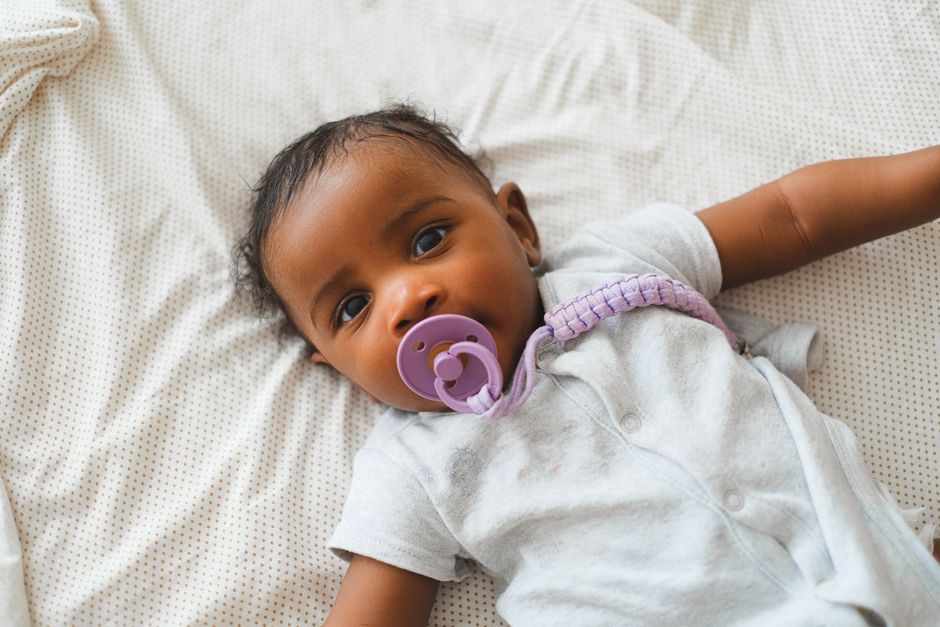
Introducing a pacifier is a simple act that can quickly become complicated with conflicting advice. The safest approach is to wait until breastfeeding is well established, use a clean, age-appropriate pacifier, and never force it. Offer it when your baby is calm, let them decide if they want it, and follow strict cleaning and safety rules to reduce risks.
When Is The Right Time To Introduce A Pacifier?
Timing matters more than most parents realize. If you are breastfeeding, most experts recommend waiting until nursing is going well. This usually takes about three to four weeks. Using a pacifier too early can interfere with your baby’s ability to latch correctly.
Some babies are born wanting to suck for comfort. Others show little interest. Watch your baby rather than the calendar. If feeding is painless, your baby is gaining weight, and you have a steady milk supply, that is a reasonable sign that nursing is established.
For formula-fed babies, timing is less critical. You can offer a pacifier from birth if you want to. The main concern is making sure your baby is hungry before you offer the breast, not the pacifier.
How To Introduce A Pacifier Safely To Your Baby
Start by offering the pacifier when your baby is calm, not starving. A hungry baby wants food, not a piece of silicone. Try it after a feeding when your baby is relaxed but still awake. This increases the chance they will accept it as comfort rather than reject it in frustration.
Hold the pacifier gently against your baby’s lips. Do not push it into their mouth. Let them open and take it themselves. If they spit it out, that is their answer. Try again another time or not at all. Some babies simply never take a pacifier.
You can dip the pacifier in breast milk or formula to make it more appealing. Never dip it in sugar, honey, or any sweetener. Honey is dangerous for infants under one year due to the risk of infant botulism. Sugar promotes tooth decay and teaches an unhealthy preference.
Choosing A Safe Pacifier
Pacifiers come in two basic designs. One-piece pacifiers are molded from a single piece of silicone or latex. Two-piece pacifiers have a separate shield and handle. The one-piece design is generally safer because there are no parts that can detach and become a choking hazard.
Look for a shield that is at least 1.5 inches across. This prevents the entire pacifier from fitting into your baby’s mouth. The shield should have ventilation holes. These allow air to pass through in case the pacifier becomes lodged in the throat.
Choose the right size for your baby’s age. Pacifiers are labeled by age range for a reason. A newborn-sized pacifier fits a small mouth better and is less likely to cause problems. As your baby grows, move to the next size.
Check the pacifier regularly for signs of wear. Discoloration, stickiness, cracks, or tears mean it is time to replace it. Silicone is firmer and lasts longer. Latex is softer but wears out faster and can cause allergic reactions in some babies.





Cleaning And Hygiene Rules
New pacifiers need to be sterilized before first use. Boil them for five minutes and let them cool completely. After that, you can wash them in hot soapy water or run them through the dishwasher. Squeeze water out of the pacifier after washing to prevent mold from growing inside.
Replace pacifiers regularly. Every two months is a common recommendation, but inspect them more often. Any damage means immediate replacement. Damaged pacifiers can break apart and become a choking hazard.
Never tie a pacifier to your baby’s crib, stroller, or clothing. Strings and ribbons are strangulation hazards. Use a pacifier clip designed for this purpose, but remove it before your baby sleeps. The clip itself can catch on crib slats and cause injury.
Do not clean a pacifier with your own mouth. Parents have done this for generations, but it transfers bacteria that cause cavities and other infections. Your mouth contains germs your baby’s immune system is not ready to handle.
Pacifier Use And Sleep Safety
Pacifiers are actually associated with a lower risk of Sudden Infant Death Syndrome, or SIDS. Research consistently shows this protective effect. The exact reason is not fully understood, but it may relate to the pacifier keeping the airway open or encouraging lighter sleep.
The American Academy of Pediatrics recommends offering a pacifier at naptime and bedtime for the first year of life. This applies to breastfed babies too, once nursing is established. Do not force it if your baby refuses. Do not reinsert it after your baby falls asleep if it falls out.
Never attach the pacifier to your baby with a cord or strap while sleeping. The pacifier itself is safe. The accessories are not. Keep the sleep environment bare except for the pacifier and your baby.
When To Stop Using A Pacifier
Pacifier use beyond age two to four can affect dental development. Prolonged use can change the shape of the roof of the mouth and cause misaligned teeth. The longer the habit continues, the harder it is to break and the more likely dental problems become.
Most children naturally give up the pacifier between ages two and four. If your child is still using one past age four, talk to your pediatrician or dentist. They can help you plan a gradual weaning approach.
There is no single best method for stopping. Some parents go cold turkey. Others gradually reduce use. Some use a “pacifier fairy” or trade the pacifier for a special toy. What works for one child may not work for another. The key is consistency once you start.
Common Pacifier Mistakes Parents Make
The most common mistake is using the pacifier as a first response to every cry. A pacifier is a tool for comfort, not a substitute for attention. Crying can mean hunger, a wet diaper, or the need to be held. Check the basics before offering the pacifier.
Another mistake is replacing the pacifier every time it falls out of the crib. If your baby is asleep, leave it. Reinserting it can wake them and create a dependency where they need you to resettle them all night.
Some parents share pacifiers between children. This spreads germs and is not safe. Each child should have their own pacifiers. Label them if you have multiple children using the same type.
Ignoring the expiration date is also common. Pacifiers do expire. The material degrades over time even if it looks fine. Check the packaging for the recommended replacement interval and follow it.
Pacifiers Versus Thumb Sucking
Many parents wonder if the pacifier is better than thumb sucking. The pacifier has one clear advantage: you can take it away. You cannot remove your child’s thumb. This makes it easier to break the pacifier habit when the time comes.
Thumb sucking can also cause dental problems, but it is harder to control. Some children stop on their own. Others continue into school age. If your child is a dedicated thumb sucker, a pacifier may be the lesser of two evils, at least for the first year.
Neither habit is ideal long-term. Both can affect dental alignment if they continue past age four. The pacifier is simply easier to manage and stop.
Frequently Asked Questions
Can a pacifier cause nipple confusion?
Yes, early pacifier use can interfere with breastfeeding. Waiting three to four weeks until nursing is well established reduces this risk significantly.
How often should I replace my baby’s pacifier?
Replace pacifiers every two months or immediately if you see cracks, tears, or stickiness. Inspect them regularly for wear.
Is it safe to use a pacifier while my baby sleeps?
Yes, pacifiers are associated with a lower risk of SIDS and are recommended at naptime and bedtime. Never attach it to a cord or strap.
What if my baby refuses the pacifier?
Some babies never take a pacifier, and that is fine. Do not force it. Try again at a different time or accept that your baby prefers other comfort methods.
