

Nasya oil is a traditional Ayurvedic practice where a small amount of medicated oil is applied inside the nostrils. The standard approach involves clearing the nose, lying back with the head tilted, placing a few drops in each nostril, sniffing gently, and staying reclined briefly. Timing matters less than consistency and correct technique, though many practitioners suggest morning use. This guide explains each step, how many drops are typical, and where the evidence is genuinely thin.
What Is Nasya Oil and What Is It Used For?
Nasya is one of the five main cleansing practices in Ayurvedic medicine, a system that originated in India more than two thousand years ago. The term refers to administering substances through the nasal route. Nasya oil specifically means instilling medicated oil into the nostrils.
In traditional practice, it is used for dry nasal passages, congestion, sinus discomfort, and what practitioners describe as clearing the head. Different oils are used depending on the purpose. Sesame oil is common as a base. Herbal blends may include ingredients like brahmi, shatavari, or calamus, though formulations vary widely by manufacturer.
Here is where honesty matters. The clinical evidence for nasya oil as a treatment is limited. Some small studies have looked at nasal oil administration for dryness and irritation, and a few have examined Ayurvedic nasal therapies for sinus symptoms. But these are generally small, short, and not designed to the standards used in mainstream drug trials. No large human trials have confirmed that nasya oil treats sinus infections, allergies, headaches, or any specific disease.
What is well established is simpler. Oils can moisturize dry nasal tissue and may reduce the sensation of crusting and irritation. That is a reasonable, modest effect. It is not the same as treating an infection or a chronic condition.
How To Use Nasya Oil: Steps, Drops, and Timing
The technique is straightforward, but small details affect comfort and safety. Follow the steps in order and do not rush the reclined phase.
Step 1: Clear the nasal passages
Blow your nose gently before starting. If you use a saline spray or rinse, do that first and wait a minute. Oil applied over mucus or debris will not reach the tissue well.
Step 2: Warm the oil slightly
Many practitioners suggest warming the bottle by holding it in your hand for a minute or placing it in warm water. The oil should feel comfortably warm, not hot. Test a drop on your inner wrist first. Never microwave the bottle.
Step 3: Position your head
Lie on your back with your head tilted back over the edge of the bed, or place a pillow under your shoulders so your head hangs slightly lower than your body. This tilt helps the oil move along the nasal floor rather than straight down the throat.
Step 4: Place the drops
Traditional texts describe a range of doses, and modern practitioners vary. A commonly cited amount is two to four drops in each nostril for adults. There is no single official standard, and no clinical guideline sets a dose for this practice. Use the smallest amount that feels comfortable, especially the first time.
Tilt the bottle toward the nostril and let the drops fall in. Do not insert the dropper deep into the nose. Keep the tip clean and avoid touching the nasal lining with it.
Step 5: Sniff gently and rest
Sniff softly. A hard sniff pulls oil into the back of the throat, which causes coughing and an unpleasant taste. Stay reclined for about one to two minutes so the oil can spread across the nasal tissue.
Step 6: Sit up and clear excess
Sit up slowly. Some oil will drain toward the throat or out of the nose. Spit out anything that reaches your mouth rather than swallowing it. Wipe away excess oil around the nostrils.
When Should You Do Nasya Oil?
Morning is the most commonly recommended time in traditional practice. Many practitioners suggest doing it on an empty stomach or at least not immediately after a heavy meal.
The reasoning is practical rather than proven. Mucus tends to be thicker in the morning, and the nose is often drier after a night of mouth breathing or dry indoor air. Oil at that point may feel more soothing.
Frequency varies. Some traditions describe daily use during certain seasons. Others suggest it a few times a week. There is no evidence-based schedule, so the honest position is that frequency should match your comfort and any guidance from a qualified practitioner.
Avoid doing it right before lying down for sleep, since oil can drain into the throat and trigger coughing. Avoid it just before exercise or before going outdoors into cold, windy air.




How Many Drops Are Typical?
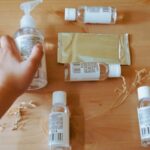
Traditional sources describe different amounts, and modern products often list their own suggestions on the label. The label is the most reliable starting point because formulations differ in concentration.
- Adults: commonly two to four drops per nostril
- Children: no clinical guidelines currently exist for this population — this practice should not be assumed safe for children without professional advice
- Pregnant or breastfeeding women: no clinical guidelines currently exist for this population
Start with fewer drops than you think you need. The first time, one or two drops per nostril is enough to see how you respond. More oil does not mean more benefit, and excess oil mostly drains into the throat.
What Are the Risks and Who Should Avoid It?
Nasya oil is generally low-risk for healthy adults when used as directed, but it is not risk-free and it is not appropriate for everyone.
The most common problems are minor. Oil draining into the throat can cause coughing, a bad taste, or mild nausea. Some people develop irritation or a rash around the nostrils. If the oil contains strong herbal ingredients, irritation is more likely.
More serious concerns exist. Anyone with a history of asthma or reactive airways should be cautious, since oil reaching the lower airway can trigger coughing or bronchospasm. People with obstructive sleep apnea should not use oil in a way that could drain into the airway while asleep.
Do not use nasya oil if you have an active sinus infection, a recent nasal injury, or recent nasal surgery without asking a clinician first. Do not use it if you have a nosebleed or a bleeding disorder. Do not use it after a head injury.
Anyone with chronic nasal symptoms — persistent congestion, loss of smell, facial pain, or recurrent nosebleeds — should get a proper evaluation rather than relying on oil. These symptoms can have causes that oil will not address.
Does Nasya Oil Actually Work?
The evidence is limited and mostly small. Some studies suggest nasal oil may help with dryness and irritation of the nasal lining, which is plausible given what oil does to skin and mucous membranes. Beyond that, the picture is thin.
Claims that nasya oil clears sinuses, treats allergies, improves memory, or balances doshas are traditional claims, not established clinical findings. Biological plausibility is not the same as demonstrated benefit. A mechanism that sounds logical does not prove an outcome.
This does not mean the practice is worthless. It means the honest framing is: this is a traditional practice with modest supportive evidence for comfort, not a treatment for disease. If it helps you feel better and you use it safely, that is a reasonable personal choice. If you are using it instead of medical care for a real condition, that is a problem.
How Does Nasya Oil Compare to Saline Rinse?
Saline nasal rinses have stronger evidence for nasal hygiene and symptom relief than oil does. Saline irrigates and thins mucus; oil coats and moisturizes. They do different things.
Some people use both. A saline rinse first, then oil after the nose is clear, is a common approach. If you use a saline rinse, follow safe water practices — use distilled, sterile, or previously boiled and cooled water, never untreated tap water.
For most people with dry nasal passages, saline alone may be enough. Oil is an option when dryness persists. For congestion from a cold or allergy, saline is the better-supported choice.
Frequently Asked Questions
How many drops of nasya oil should I use?
A commonly cited amount is two to four drops per nostril for adults. Start with one or two drops the first time and follow the product label, since formulations vary.
What time of day is best for nasya oil?
Morning is the most commonly recommended time in traditional practice. There is no clinical evidence establishing an optimal time, so consistency and comfort matter more than the exact hour.
Can I use nasya oil every day?
Some traditions describe daily use, but no clinical guideline sets a safe frequency. Use it as often as feels comfortable and stop if you notice irritation.
Is nasya oil safe during pregnancy?
No clinical guidelines currently exist for using nasya oil during pregnancy. Ask your clinician before using any medicated nasal oil while pregnant or breastfeeding.
