
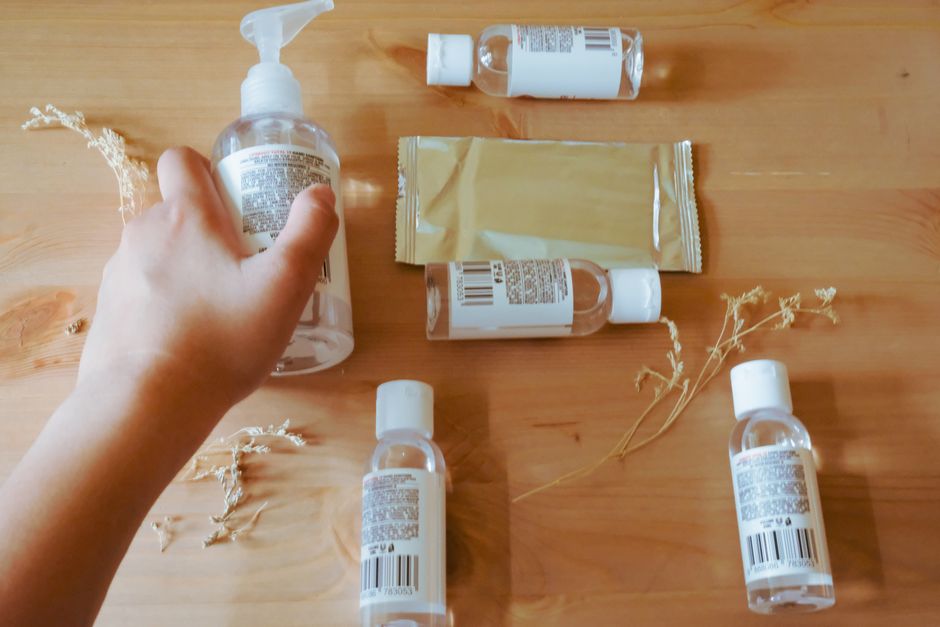
Making 70% ethanol for disinfection is a simple dilution of 95% or 99% isopropyl alcohol with distilled water. You mix 7 parts of 99% isopropyl alcohol with 3 parts of distilled water. The resulting solution kills most bacteria and viruses on hard surfaces when used correctly.
Why Is 70% Ethanol Better Than 100% for Disinfection?
Pure alcohol evaporates too quickly to disinfect properly. It dries before it can kill microbes.
At 70% concentration, water is present in the mixture. Water slows evaporation and helps the alcohol penetrate the cell walls of bacteria and viruses. This is why 70% ethanol is the standard concentration used in hospitals and laboratories.
The Centers for Disease Control and Prevention recognizes 60-90% alcohol as effective for disinfection. The 70% concentration is preferred because it balances effectiveness with contact time.
What You Need to Make 70% Ethanol
You need three things: alcohol, water, and a clean container.
- Isopropyl alcohol — 99% or 91% concentration works best
- Distilled water — tap water contains minerals that can leave residue
- Clean spray bottle or container — glass or food-grade plastic
Do not use denatured alcohol. It contains additives that can leave toxic residue on surfaces.
Do not use ethanol meant for drinking. It is not the same product as laboratory or pharmacy-grade ethanol.
How To Make 70 Ethanol For Disinfection: The Simple Formula
Use this ratio: 7 parts alcohol to 3 parts water.
If you have 99% isopropyl alcohol, the math is straightforward. Mix 700 mL of alcohol with 300 mL of distilled water. You get 1 liter of 70% solution.
If you have 91% isopropyl alcohol, the ratio changes slightly. Mix 770 mL of 91% alcohol with 230 mL of distilled water. The final concentration is approximately 70%.
For smaller batches, use these measurements:
- With 99% alcohol: 70 mL alcohol + 30 mL water
- With 91% alcohol: 77 mL alcohol + 23 mL water
Always add alcohol to the container first. Then add water. Cap the container and shake gently to mix.

How To Use 70% Ethanol Safely and Effectively
Spray the solution directly onto the surface. The surface must stay wet for at least 30 seconds to achieve proper disinfection. Some pathogens require longer contact time.
For heavily soiled surfaces, clean with soap and water first. Dirt and grease can shield microbes from the alcohol.
Do not use 70% ethanol on:
- Electronics screens — alcohol can damage protective coatings
- Painted or varnished wood — alcohol can strip finishes
- Acrylic or polycarbonate plastics — alcohol can cause clouding or cracking
- Leather or fabric upholstery — alcohol can cause discoloration
Always test on an inconspicuous area first if you are unsure about a surface.
Does 70% Ethanol Kill Viruses and Bacteria?
Yes. Research consistently shows that 70% isopropyl alcohol inactivates a wide range of bacteria and enveloped viruses. This includes coronaviruses, influenza viruses, and common bacteria such as E. coli and Staphylococcus aureus.
Alcohol works by denaturing proteins and disrupting cell membranes. This destroys the microbe’s structure, making it unable to function or reproduce.
70% ethanol is not effective against all pathogens. Bacterial spores, such as those that cause anthrax or tetanus, are resistant to alcohol. Some non-enveloped viruses, like norovirus, are also more resistant to alcohol disinfection.
For norovirus, the CDC recommends using a bleach solution or a disinfectant specifically registered as effective against norovirus.
Is 70% Ethanol Safe for Your Skin?
70% isopropyl alcohol is commonly used as a skin antiseptic before injections. It is generally safe for occasional use on intact skin.
Frequent use can dry out your skin. Alcohol strips natural oils and can cause irritation, cracking, and dermatitis.
Do not use 70% ethanol on open wounds, burns, or broken skin. It stings and can damage healthy tissue.
For hand sanitizing, the CDC recommends alcohol-based hand rubs with at least 60% alcohol. However, washing hands with soap and water is preferred when hands are visibly dirty or greasy.
Storage and Shelf Life of 70% Ethanol
Store 70% ethanol in a tightly sealed container away from heat and direct sunlight. Alcohol evaporates over time, and evaporation lowers the concentration.
At 70% concentration, the solution is less flammable than pure alcohol. It still burns, so keep it away from open flames and high heat sources.
Keep it out of reach of children and pets. Alcohol is toxic if ingested.
A properly stored 70% ethanol solution remains effective for about 2-3 years. If the container is opened frequently, replace the solution after 6-12 months to ensure full potency.
Label your container with the date you made the solution. This helps you track its age.
Common Mistakes When Making 70% Ethanol
The most common mistake is using the wrong starting concentration. If you use 70% alcohol and add water, you dilute it below the effective range.
Another mistake is using tap water. Minerals in tap water can interfere with the disinfection process and leave visible residue on surfaces.
Some people skip the measuring step and guess the ratio. This is risky. Too much water makes the solution ineffective. Too little water makes it evaporate too quickly.
A third mistake is reusing containers that previously held other chemicals. Always use a clean, dedicated container for your disinfectant.
When To Use Alternatives to 70% Ethanol
70% ethanol is not the right choice for every situation.
For blood spills or large biohazardous messes, use a bleach solution. Bleach is more effective against a broader range of pathogens, including some that alcohol cannot kill.
For routine household cleaning, soap and water is often sufficient. Soap physically removes dirt and many microbes from surfaces. Disinfectants are only necessary when you need to kill pathogens on surfaces, not just remove them.
For food preparation surfaces, use a food-safe sanitizer. Alcohol evaporates without leaving residue, which makes it a reasonable choice, but check that your solution does not contain additives.
For surfaces that cannot tolerate alcohol, consider hydrogen peroxide-based disinfectants or quaternary ammonium compounds. These are available in commercial disinfectant wipes and sprays.
Does 70% Ethanol Expire?
Alcohol itself does not degrade chemically over time. The concern is evaporation.
If the container is not sealed properly, water and alcohol both evaporate at different rates. This changes the concentration over time.
If you notice the volume in your container has decreased, add fresh solution or make a new batch. Do not simply add water to top it up, because you do not know the current concentration.
Frequently Asked Questions
Can I use 70% ethanol on my phone?
It is not recommended because alcohol can damage the oleophobic coating on screens. Use a screen-safe disinfectant wipe or a microfiber cloth with a small amount of soapy water instead.
What is the difference between 70% and 91% isopropyl alcohol?
91% alcohol evaporates faster and is less effective for disinfection because it has less contact time. 70% alcohol stays wet longer, which gives it more time to kill microbes.
Can I use vodka instead of isopropyl alcohol?
Most vodka is only 40% alcohol, which is below the 60% minimum needed for effective disinfection. Only use alcohol products with at least 60% concentration for disinfecting.
Is 70% ethanol safe to use on food surfaces?
70% isopropyl alcohol evaporates completely and leaves no residue, making it acceptable for food contact surfaces when used properly. Allow the surface to dry completely before food contact.
