
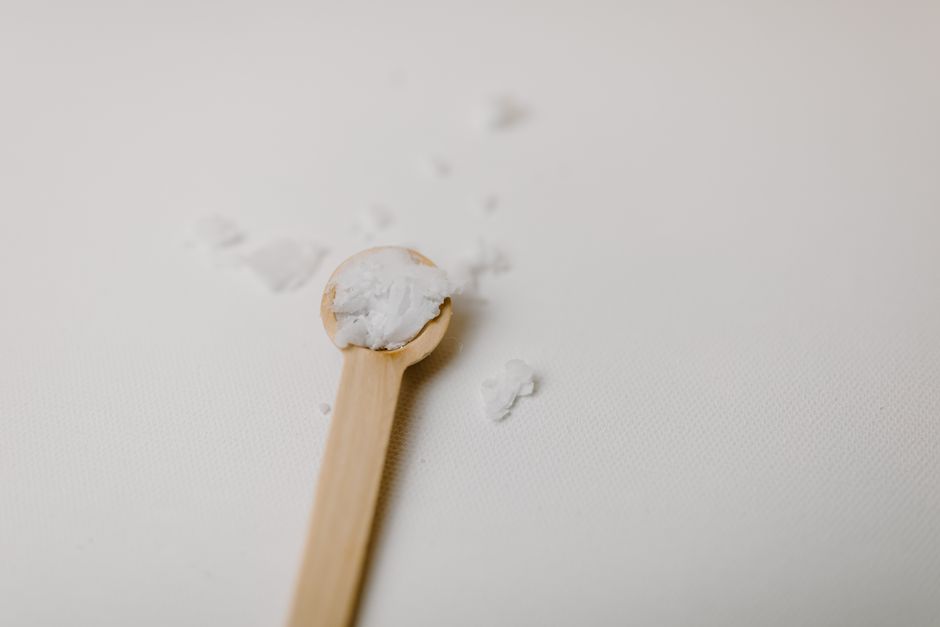
Making egg white powder at home is a straightforward process that involves separating the whites from the yolks, dehydrating them, and grinding them into a fine powder. The two most practical methods for home use are using a food dehydrator or a low-temperature oven. This guide will walk you through each step, explain how to store the powder properly, and clarify what you can realistically expect from your homemade product compared to store-bought versions.
Why Make Egg White Powder at Home?
Egg white powder is a staple for many bakers, bodybuilders, and meal preppers. It is a shelf-stable source of high-quality protein and is used in recipes like meringues, protein shakes, and baked goods.
Store-bought egg white powder is convenient, but it is often pasteurized and processed with additives to prevent clumping. Making it at home gives you control over the ingredients and can save money if you regularly have leftover yolks from other recipes. However, the home version will not have the exact same texture or performance as commercial products, which is important to know before you start.
What You Need to Get Started
Before you begin, gather the right equipment. Using the correct tools prevents waste and ensures the powder dries evenly.
- Fresh eggs: The quality of your eggs directly affects the final powder.
- An egg separator: This helps keep the yolk completely out of the whites. Even a tiny bit of yolk fat can ruin the drying process.
- A food dehydrator: This is the most reliable method for consistent results.
- A baking sheet and parchment paper: Needed if you are using the oven method.
- A blender or coffee grinder: For turning the dried egg whites into powder.
- A fine-mesh sieve: To sift the powder and remove any gritty particles.
- Airtight glass jars: For storing the finished powder.
Step-by-Step: The Dehydrator Method
A food dehydrator is the best tool for this job because it uses low, consistent heat and good airflow. This preserves the protein structure and prevents the egg whites from cooking.
First, separate the egg whites from the yolks. Make sure there is absolutely no yolk in the whites. If you are making a large batch, do this one egg at a time in a small bowl before adding to the main bowl. This prevents one bad egg from ruining the whole batch.
Next, whisk the egg whites gently. You are not making a meringue. You only want to break up the thick, jelly-like texture so the whites are uniform. Over-whisking introduces too many air bubbles, which can make the powder foam later.
Pour the liquid egg whites onto dehydrator trays lined with non-stick sheets or parchment paper. The liquid should be about 1/4 inch thick. Spread it evenly across the tray.
Set the dehydrator to 135°F (57°C). This is the critical temperature. If you go higher, the egg whites will cook and turn rubbery instead of drying. Dry for 8 to 12 hours. The time depends on the humidity in your room and the thickness of the liquid. The egg whites are done when they are completely brittle and crack easily when you bend them. They should feel like thin sheets of glass.




Step-by-Step: The Oven Method
If you do not own a dehydrator, a low-temperature oven works as a backup. It is harder to control the temperature with a standard home oven, so you must watch it closely.
Preheat your oven to its lowest setting. For most ovens, this is between 170°F and 200°F (77°C to 93°C). Line a baking sheet with parchment paper and pour the whisked egg whites onto it. Spread them thin—about 1/4 inch or less.
Place the baking sheet in the oven and prop the door open slightly with a wooden spoon. This allows moisture to escape. Without this airflow, the egg whites will steam and cook instead of drying.
Check the egg whites every 30 minutes. Depending on your oven, this can take 2 to 4 hours. The goal is the same as the dehydrator: brittle, glass-like sheets that snap easily. If they are still flexible or leathery, they need more time.
Grinding and Sifting the Powder
Once your egg whites are fully dried, the next step is turning them into powder. This is where texture matters.
Break the brittle sheets into smaller pieces by hand. Place them into a high-speed blender or a clean coffee grinder. Blend in short pulses rather than running the machine continuously. Continuous blending generates heat, which can slightly cook the powder and affect how it dissolves later.
Blend until the pieces become a fine powder. Then, pour the powder through a fine-mesh sieve. The powder that passes through is ready to use. Any larger particles left in the sieve can be ground again.
Do not be surprised if your yield is smaller than expected. It takes roughly 12 to 15 large egg whites to produce about one cup of powder. The water weight is significant.
How to Store Homemade Egg White Powder
Proper storage is essential because homemade egg white powder lacks the preservatives and anti-caking agents found in commercial versions.
Store the powder in an airtight glass jar. Keep it in a cool, dark, dry place, such as a pantry or cupboard. Do not store it in the refrigerator. The moisture in a fridge can cause the powder to clump or grow bacteria.
When stored correctly, homemade egg white powder will keep for about 2 to 3 months. This is significantly shorter than commercial powders, which can last a year or more. Always check for any off-smell or discoloration before using it. If it smells sour or musty, throw it out.
Safety and Food Handling Considerations
There is a critical safety difference between commercial egg white powder and the homemade version. Commercial powder is pasteurized. The pasteurization process kills Salmonella and other harmful bacteria before the whites are dried.
Home dehydrators and ovens do not reach the temperatures required for pasteurization. Most dehydrators operate around 135°F to 140°F. Pasteurization for eggs requires holding them at 140°F for at least 3.5 minutes, or 145°F for 3 minutes. You cannot guarantee this temperature is reached evenly across the entire tray.
This means your homemade powder is not safe to consume raw. You should not add it to smoothies, protein shakes, or frosting without cooking it first. Instead, use it in recipes that are baked or cooked, such as breads, pancakes, or cooked meringues. If you want a raw protein powder for shakes, you should buy a commercial pasteurized product.
Common Problems and How to Fix Them
If your first batch fails, it is usually due to one of three issues: moisture, fat, or heat.
Clumping powder: This means the egg whites were not fully dried before grinding. They need to be completely brittle. If the powder clumps after storage, moisture got into the jar. Discard the batch and start over with a drier result.
Rubbery sheets: The heat was too high. This happens often in ovens. The egg whites cooked rather than dehydrated. Lower the temperature and try again.
Powder does not dissolve: This is normal. Homemade egg white powder is not as fine as commercial powder, and it does not dissolve instantly in cold liquids. It will dissolve much better in warm liquids or when mixed into batters.
Is It Worth the Effort?
Homemade egg white powder is a practical project if you have a dehydrator and you frequently use egg yolks for other recipes like custards or ice cream. It reduces waste and gives you a useful ingredient for baking.
However, it is not a perfect substitute for commercial powder. The texture is coarser, the protein content can vary slightly, and it is not safe for raw consumption. For baking and cooking, it works well. For raw protein shakes, it does not.
If you are making this primarily to save money, compare the cost of a dozen eggs versus a canister of commercial powder. In many cases, the commercial product is more cost-effective when you factor in the electricity used by the dehydrator and the time involved.
Frequently Asked Questions
How long does homemade egg white powder last?
Homemade egg white powder lasts about 2 to 3 months when stored in an airtight container in a cool, dark place. This is shorter than commercial powder because it lacks preservatives.
Can I use homemade egg white powder in protein shakes?
No, you should not use homemade egg white powder in raw shakes because it is not pasteurized. The drying temperatures used at home are not high enough to kill Salmonella, so it must be cooked before eating.
How many eggs does it take to make one cup of powder?
It takes roughly 12 to 15 large egg whites to make one cup of powder. The exact amount depends on the size of the eggs and how thoroughly they are dried.
What temperature dries egg whites without cooking them?
Set your dehydrator to 135°F (57°C) for best results. If using an oven, use the lowest setting, usually between 170°F and 200°F, and prop the door open for airflow.
