
Hearing loss is one of the most common chronic conditions in older adults, yet most people wait far too long to take action. The good news is that age-related hearing loss is not inevitable, and even when it occurs, you can slow its progress and protect the hearing you still have. Protecting your hearing as you age comes down to limiting loud noise exposure, managing cardiovascular health, avoiding ototoxic medications when possible, and getting your hearing checked regularly.
Why Does Hearing Decline With Age?
Age-related hearing loss, known medically as presbycusis, develops gradually. It happens because the tiny hair cells in your inner ear that convert sound waves into electrical signals simply wear out over time. These cells do not regenerate. Once they are damaged, they are gone for good.
This natural wear and tear affects most people eventually, but the rate of decline varies widely. Two people the same age can have very different hearing abilities. Genetics play a role, but so does a lifetime of noise exposure. The loud concerts you attended in your twenties and the power tools you used without ear protection in your thirties all contribute to how well you hear in your sixties.
High-frequency sounds typically go first. You may notice difficulty following conversations in restaurants or trouble hearing birdsong and doorbells. Speech may sound mumbled even when the volume seems adequate. These early signs often go unnoticed for years because the decline is so gradual.
How Loud Is Too Loud?
Noise is the single most preventable cause of hearing loss. The damage depends on two factors: how loud the sound is and how long you are exposed to it. Sound is measured in decibels, and the scale is logarithmic. That means a 10-decibel increase represents ten times more acoustic energy.
Here are reference points to keep in mind. Normal conversation sits around 60 decibels. A lawnmower runs at about 90 decibels. A rock concert or ambulance siren can reach 110-120 decibels. Prolonged exposure to sounds above 85 decibels can damage hearing, and sounds above 120 decibels can cause immediate injury.
The practical rule is simple: if you must raise your voice to be heard by someone an arm’s length away, the environment is too loud. If you have ringing in your ears after leaving a noisy event, your ears have already been stressed.
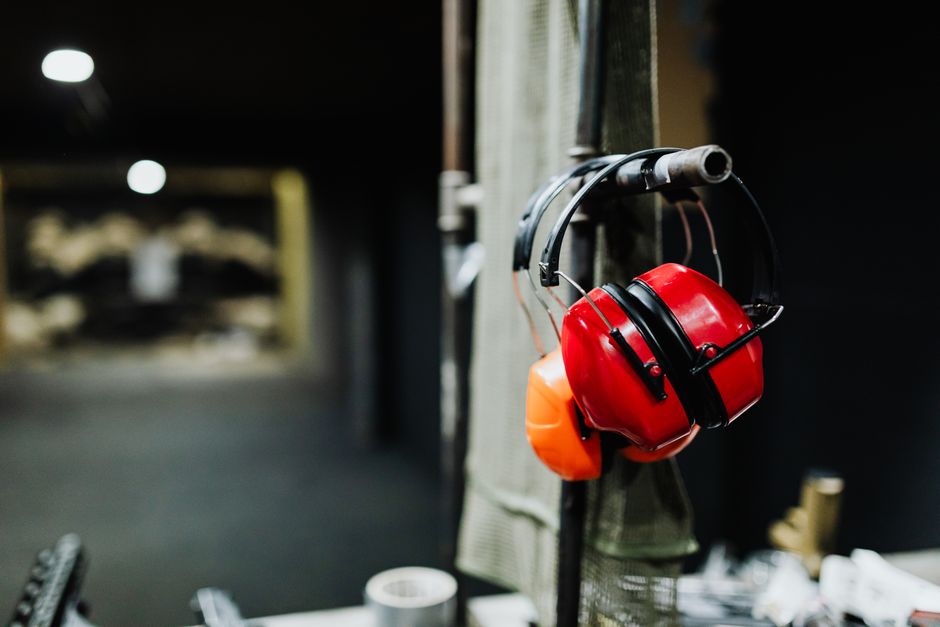
Wear earplugs or noise-cancelling earmuffs when using power tools, riding motorcycles, attending concerts, or mowing the lawn. Even inexpensive foam earplugs provide meaningful protection when inserted correctly. This single habit does more to preserve your hearing than any other lifestyle change.
How To Protect Your Hearing As You Age: Everyday Habits That Matter
Daily habits shape long-term hearing outcomes more than most people realize. The choices you make now determine how much hearing you keep decades from now.
Turn down the volume. The World Health Organization recommends keeping personal audio devices at no more than 60% of maximum volume for no more than 60 minutes at a time. If you use earbuds or headphones daily, this guideline is worth taking seriously. Over-the-ear headphones are generally safer than earbuds because they sit farther from the eardrum.
Give your ears rest. After exposure to loud noise, your ears need time to recover. A quiet evening after a loud event gives the inner ear a chance to restore its natural state. Repeated loud exposures without recovery time compound the damage.
Protect during recreation. Shooting ranges, motorsports, and live music venues are high-risk environments. Hearing protection is not optional in these settings. Custom-molded earplugs offer better comfort and sound quality than foam plugs and are worth the investment if you frequent loud venues.
Be careful with ear cleaning. Cotton swabs push wax deeper into the ear canal and can damage the eardrum. Earwax is natural and usually migrates out on its own. If you suspect a wax blockage, see a clinician rather than attempting to dig it out yourself.


The Connection Between Heart Health and Hearing
Your ears depend on a rich blood supply. The inner ear’s hair cells require oxygen and nutrients delivered through tiny blood vessels. When cardiovascular health declines, so does blood flow to the inner ear, and hair cells suffer accordingly.
Research consistently shows that people with cardiovascular disease, high blood pressure, and diabetes have higher rates of hearing loss. The same processes that damage your heart and blood vessels damage your ears. Atherosclerosis narrows the vessels feeding the inner ear just as it narrows coronary arteries.
This means the habits that protect your heart also protect your hearing. Regular aerobic exercise improves circulation throughout the body. Controlling blood pressure reduces stress on the delicate blood vessels in the ear. Managing blood sugar protects the nerves and vessels that support hearing.
Smoking deserves special mention. Smokers have significantly higher rates of hearing loss than nonsmokers. The toxins in cigarette smoke damage blood vessels and reduce oxygen delivery to the inner ear. If you smoke, quitting is one of the most impactful steps you can take for your hearing.
Medications That Can Harm Your Hearing
Some medications are ototoxic, meaning they can damage the inner ear and cause hearing loss or tinnitus. This risk is well established for certain drug classes, and awareness matters because the damage can be permanent.
The most common ototoxic medications include certain antibiotics called aminoglycosides, some chemotherapy drugs such as cisplatin, high doses of aspirin or other salicylates, and loop diuretics used for heart failure. Quinine, used for malaria, is also ototoxic.
You should not stop taking prescribed medication based on this information. Instead, be informed. If a doctor prescribes a medication known to be ototoxic, ask whether alternatives exist. If you already have hearing loss, this conversation becomes more important because you have less hearing reserve to spare.
Pain relievers deserve special attention. Some research suggests that regular use of nonsteroidal anti-inflammatory drugs like ibuprofen and naproxen may be associated with higher hearing loss risk in men and women. The evidence is not definitive, but it is enough to recommend using these medications at the lowest effective dose for the shortest time possible.
When Should You Get a Hearing Test?
Adults should have a baseline hearing test in their fifties, even if they have no complaints. After that, testing every few years is reasonable. If you notice any change in your hearing, get tested sooner rather than later.
Signs that warrant a hearing test include difficulty following conversations in noisy settings, frequently asking people to repeat themselves, turning up the television louder than others prefer, and ringing in the ears. Family members often notice hearing problems before the person experiencing them does. If someone close to you suggests you have a hearing issue, take it seriously.
Hearing tests are painless and typically take less than an hour. An audiologist will measure your ability to hear different frequencies and volumes. The results provide a baseline that allows future changes to be tracked accurately.
Early detection matters because the brain plays a role in hearing. When you cannot hear certain frequencies, the parts of the brain that process those sounds receive less stimulation. Over time, the brain’s ability to interpret those sounds weakens. This is why untreated hearing loss is linked to cognitive decline — the auditory system is under-stimulated. Using hearing aids early helps keep the auditory pathways active.
What If You Already Have Hearing Loss?
If you already have hearing loss, you are not powerless. The same protective habits apply. Avoiding further noise exposure is even more critical because every remaining hair cell matters.
Hearing aids remain the most effective intervention for most types of age-related hearing loss. Modern devices are smaller, more comfortable, and more capable than ever. They can be programmed to amplify the specific frequencies you struggle with while leaving others untouched. Many pair wirelessly with phones and televisions.
The over-the-counter hearing aid market expanded in recent years, making devices available without a prescription for mild to moderate hearing loss. These devices are less expensive than traditional prescription hearing aids and may be appropriate for some people. However, a professional evaluation is still the best starting point because hearing loss has many causes, and some require medical treatment rather than amplification.
Tinnitus, or ringing in the ears, often accompanies age-related hearing loss. There is no cure for tinnitus, but management strategies exist. Sound therapy, cognitive behavioral therapy, and hearing aids that mask the ringing can all provide relief. If tinnitus is new, sudden, or only in one ear, see a doctor promptly because these features can signal something more serious.
Frequently Asked Questions
Can age-related hearing loss be reversed?
No, damage to the inner ear hair cells is permanent and cannot be reversed with current treatments. Hearing aids and other devices can help you hear better, but they do not restore natural hearing.
How often should I get my hearing checked?
Adults should have a baseline hearing test in their fifties and then every few years after that. Test sooner if you notice changes or if family members suggest you are having trouble hearing.
Do earplugs really make a difference?
Yes, properly fitted earplugs reduce noise exposure significantly and protect the inner ear from damage. Even inexpensive foam earplugs provide meaningful protection when inserted correctly.
Does using headphones damage your hearing?
Headphones can damage hearing if used at high volumes for extended periods. Keep volume at no more than 60% of maximum and take breaks, or choose over-the-ear models that sit farther from the eardrum.
