
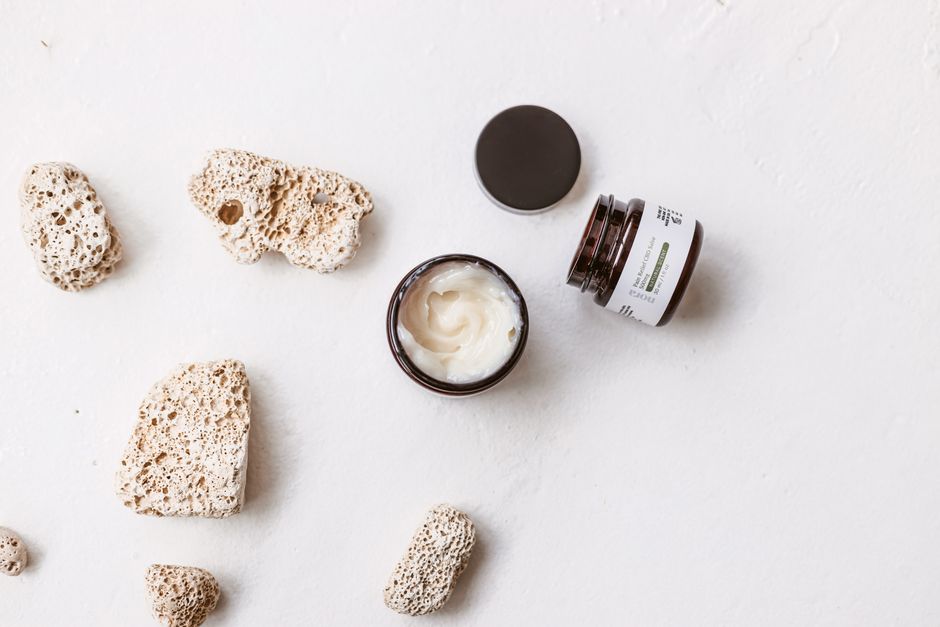
Hemorrhoid cream works best when you apply it to clean, dry skin around the anus. Start by washing the area with warm water, pat it dry, squeeze a pea-sized amount onto a clean finger or applicator, and apply it gently just inside and around the anal opening. Follow the package directions for how many times per day to repeat this, usually after each bowel movement and at bedtime.
What You Need Before You Start
Gather a few things before you apply the cream. You will need the cream itself, a clean towel, and mild soap or a fragrance-free cleanser. Some products come with a plastic applicator tip. If yours does not, wash your hands thoroughly before and after use.
Check the label for the active ingredient. Common ones include hydrocortisone, pramoxine, and phenylephrine. Each works differently. Hydrocortisone reduces inflammation. Pramoxine numbs the area. Phenylephrine shrinks swollen blood vessels. Knowing which one you have helps you understand what the cream is actually doing.
Step-By-Step Application Guide
Follow these steps in order. They apply to most over-the-counter hemorrhoid creams.
- Step 1: Clean the area. Use warm water, not hot. Avoid scented wipes or harsh soaps. Pat dry with a soft towel. Do not rub.
- Step 2: Wash your hands. If you are using an applicator, wash your hands anyway. You will handle the tube.
- Step 3: Squeeze a small amount. A pea-sized amount is enough for most people. More cream does not mean faster relief.
- Step 4: Apply gently. Use a clean finger or the applicator tip. Apply a thin layer around the outside of the anus. If the instructions say internal use is okay, insert the applicator only as far as directed.
- Step 5: Let it absorb. Wait a minute or two before getting dressed. This keeps the cream on the skin instead of on your underwear.
- Step 6: Wash your hands again. Even if you used an applicator, wash up.
Most products recommend use after each bowel movement and at bedtime. Do not exceed the frequency listed on the package. More frequent use increases the risk of skin irritation without adding benefit.
How To Use Hemorrhoid Cream Safely
Safety depends on the active ingredient and how long you use the product. Hydrocortisone creams are meant for short-term use only. Most brands recommend no more than seven days of continuous use. Longer use thins the skin in that area and can make the problem worse.
If you have diabetes, heart conditions, or high blood pressure, talk to a pharmacist or doctor before using a cream that contains phenylephrine. This ingredient constricts blood vessels and can be absorbed through the skin. The amount is small, but caution is reasonable for people with these conditions.
Do not use hemorrhoid cream on broken skin, open wounds, or areas with active bleeding. If you see bright red blood on the toilet paper or in the bowl, see a doctor first. Bleeding can be a sign of something other than hemorrhoids.





Internal vs. External Hemorrhoids
External hemorrhoids form under the skin around the anus. Cream applied to the outside works directly on them. Internal hemorrhoids form inside the rectum. Cream applied outside may not reach them.
Some products include an applicator for internal use. If you have an internal hemorrhoid, the applicator helps deliver the cream to the right place. Read the package insert carefully. Not all creams are safe for internal application.
If you are not sure whether your hemorrhoids are internal or external, a doctor can tell you with a quick exam. This matters because the treatment approach differs.
Common Mistakes To Avoid
One common mistake is applying too much cream. A thick layer does not speed up healing. It just wastes product and can irritate surrounding skin.
Another mistake is using the cream on unclean skin. The cream traps bacteria against the skin if the area is not washed first. This can lead to folliculitis, an infection of the hair follicles around the anus.
Some people use hemorrhoid cream for itching that is not from hemorrhoids. This includes fungal infections, skin allergies, or pinworms. The cream may mask the itch temporarily while the real cause goes untreated. If the itching does not improve within a few days, stop the cream and see a doctor.
When To See A Doctor Instead
See a doctor if symptoms last longer than one week despite proper cream use. Also see a doctor if you experience any of the following:
- Bleeding that is heavy or does not stop
- Severe pain that interferes with daily activities
- A lump that feels hard or is getting larger
- Changes in bowel habits that last more than a few weeks
- Fever along with anal pain
These symptoms can indicate conditions other than hemorrhoids, including anal fissures, abscesses, or in rare cases, colorectal cancer. A proper examination is the only way to know for sure. Do not delay care based on embarrassment. Doctors see this complaint daily.
Lifestyle Changes That Support Treatment
Cream treats the symptom. It does not cure the underlying cause. Hemorrhoids often develop from increased pressure in the veins of the lower rectum. Constipation and straining on the toilet are common contributors.
Increasing fiber intake softens stool and reduces straining. Good sources include fruits, vegetables, whole grains, and legumes. Drinking enough water matters too. Fiber without water can make constipation worse.
Do not sit on the toilet longer than necessary. Prolonged sitting increases pressure on the anal veins. If you read or scroll on your phone while on the toilet, consider stopping that habit.
Regular physical activity helps keep the digestive system moving. Even a daily walk can make a difference. The goal is to reduce the pressure that causes hemorrhoids to form in the first place.
What The Evidence Says About Hemorrhoid Creams
Clinical studies support the use of topical hydrocortisone for reducing inflammation and itching associated with hemorrhoids. It is a well-established treatment. The evidence for other ingredients varies.
Pramoxine is a local anesthetic. It numbs the area and provides temporary relief from pain and itching. Studies support its use for symptomatic relief, though it does not treat the underlying condition.
Phenylephrine is a vasoconstrictor. It temporarily shrinks swollen tissue. Some research supports its use for reducing swelling, but the effect is modest and temporary.
Products that combine multiple ingredients are common. The evidence for combination products is generally based on the individual ingredients rather than studies of the specific combination. This is not a reason to avoid them, but it is worth understanding what the evidence actually shows.
Natural Alternatives and Their Limits
Some people prefer non-medicated options. Witch hazel is a common ingredient in pads and creams. It has astringent properties that can temporarily soothe the area. Evidence for its effectiveness is limited but it is generally considered safe for short-term use.
Aloe vera gel is another popular choice. It may provide a cooling sensation and moisturize the skin. No large clinical trials have confirmed that it treats hemorrhoids specifically.
Sitz baths are a well-established non-medicated approach. Sitting in warm water for 10 to 15 minutes a few times per day can reduce discomfort and promote hygiene. The evidence supports this as a helpful adjunct to other treatments.
Be cautious with any product that promises rapid, permanent relief. No topical cream permanently cures hemorrhoids. They manage symptoms. The underlying causes require lifestyle changes or, in some cases, medical procedures.
Special Populations
Pregnant women often develop hemorrhoids due to increased pressure from the growing uterus and hormonal changes. Some hemorrhoid creams are considered safe during pregnancy, but not all. Hydrocortisone is generally considered low-risk, but you should confirm with your obstetrician before using any medicated cream while pregnant.
No clinical guidelines currently exist for the use of hemorrhoid cream in infants or young children. If a child has anal symptoms, see a pediatrician. Do not assume a child has hemorrhoids. The cause is often something else entirely.
Older adults may have thinner skin, making them more prone to irritation from topical products. Using the smallest effective amount for the shortest time is the safest approach.
Frequently Asked Questions
How many times a day should I apply hemorrhoid cream?
Most products recommend use after each bowel movement and at bedtime, usually up to four times daily. Check your specific product label because instructions vary by brand and active ingredient.
Can I use hemorrhoid cream internally?
Only if the product label specifically says it is safe for internal use. External-only creams can irritate the delicate lining of the rectum if inserted.
How long can I use hemorrhoid cream safely?
Products containing hydrocortisone should not be used for more than seven days without medical supervision. Longer use can thin the skin and worsen the condition.
Can hemorrhoid cream make the problem worse?
Yes, if used too often or for too long, especially with hydrocortisone. It can also mask a more serious condition if the symptoms are not actually from hemorrhoids.
