
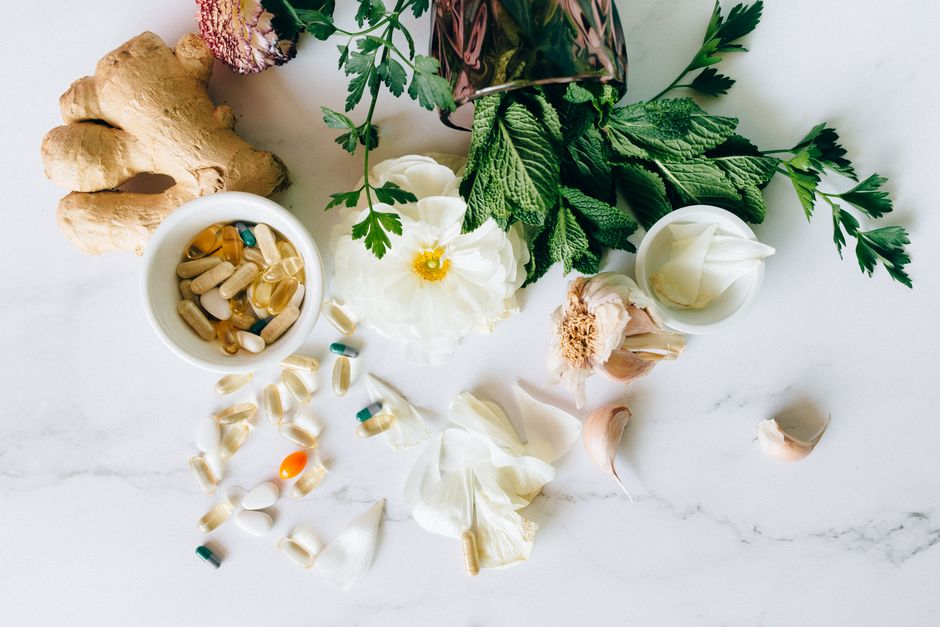
Garlic cannot cure a urinary tract infection. No clinical guideline recommends garlic — in any form — as a treatment for UTI, and delaying effective treatment while trying garlic can allow a bladder infection to progress to a kidney infection. If you have symptoms of a UTI, the appropriate step is to see a healthcare provider. Garlic may have a modest role in the kitchen, but it is not a substitute for antibiotics when antibiotics are needed.
What Actually Causes a Urinary Tract Infection?
A UTI happens when bacteria — most often Escherichia coli from the digestive tract — travel up the urethra and multiply in the urinary system. The bladder is the most common site. When the infection moves higher, into the ureters or kidneys, it becomes more serious.
The urinary tract has natural defenses. Urine flow washes bacteria out. The lining of the bladder has properties that make it harder for bacteria to attach. When those defenses are overwhelmed — by anatomy, by sexual activity, by certain health conditions, or by a weakened immune system — an infection can take hold.
UTIs are more common in women than men, largely because the female urethra is shorter and closer to the anus. That anatomy makes it easier for gut bacteria to reach the bladder. This is well-established and not controversial.
Symptoms typically include a burning sensation when urinating, a frequent and urgent need to urinate, cloudy or strong-smelling urine, and pressure in the lower abdomen. Fever, chills, nausea, and pain in the back or side suggest the infection may have reached the kidneys. That is a medical emergency, not a situation for home remedies.
Does Garlic Have Any Effect on Urinary Tract Infections?
There is no clinical evidence that eating garlic or taking garlic supplements treats a UTI in humans. This is the honest position, and it has not changed despite the popularity of the claim.
What exists is laboratory research. Allicin, a compound formed when garlic is crushed or chopped, has shown antibacterial activity against various bacteria in test tubes. Some studies have examined garlic extracts against bacteria that commonly cause UTIs. Test-tube results, however, do not translate directly into what happens in the human body.
The gap between lab findings and clinical outcomes is wide. A compound that kills bacteria in a petri dish may not reach the bladder in sufficient concentration when eaten, may be broken down by digestion, and may not work the same way in living tissue. This is a standard principle in pharmacology, not a reason for doubt specific to garlic.
What has not been done: large, controlled human trials testing garlic as a UTI treatment. Without that evidence, no one can responsibly claim garlic works for this purpose. Saying “garlic may help” would imply a level of support that does not exist.
What Happens If You Try to Treat a UTI With Garlic Alone?
The main risk is that the infection gets worse while you wait. An untreated bladder infection can spread to the kidneys. Kidney infections — called pyelonephritis — are serious and can lead to hospitalization, and in rare cases to sepsis, which is life-threatening.
This is not a theoretical concern. Delays in treating UTIs are a recognized reason some bladder infections become kidney infections. The people at highest risk from delay include:
- Pregnant women, in whom UTIs carry additional risks for both mother and baby
- Older adults, who may not show classic symptoms until an infection is advanced
- People with diabetes, who are more prone to complications
- People with weakened immune systems
- Men, in whom UTIs are less common but often more complicated when they occur
- Anyone with a catheter or a structural abnormality of the urinary tract
If you have UTI symptoms and are trying garlic instead of seeking care, you are taking a risk that the evidence does not justify.





What Does Evidence-Based UTI Treatment Actually Look Like?
Antibiotics are the standard treatment for bacterial UTIs. Which antibiotic, and for how long, depends on the specific situation — the type of infection, whether it is uncomplicated or complicated, whether you are pregnant, and local resistance patterns. A healthcare provider makes that call.
Uncomplicated bladder infections in otherwise healthy women are sometimes treated with a short course of antibiotics. Some uncomplicated cases in some countries are managed with a “wait and see” approach under medical supervision, but this is not something to attempt on your own at home.
Symptoms often improve within a day or two of starting appropriate antibiotics, but it is important to finish the prescribed course even if you feel better. Stopping early can allow surviving bacteria to regrow and can contribute to antibiotic resistance.
For people who get recurrent UTIs, a doctor may recommend preventive strategies. These can include behavioral measures and, in some cases, low-dose preventive antibiotics. Some clinicians recommend cranberry products for prevention, though the evidence on cranberry is mixed and it is not a treatment for an active infection. Vaginal estrogen is used in some postmenopausal women to reduce recurrence risk. These are medical decisions, not self-care decisions.
Is There Any Safe Way to Include Garlic in a UTI Care Plan?
Garlic is fine as a food. Using it in cooking is not harmful and adds flavor. But it should be understood as food, not medicine, in this context.
Garlic supplements are a different matter. High doses of garlic — particularly concentrated supplements — can increase the risk of bleeding and may interact with blood-thinning medications such as warfarin. Garlic can also reduce the effectiveness of some drugs, including certain HIV medications. If you take prescription medication, talk to a pharmacist or doctor before adding a garlic supplement.
Some people experience digestive upset, heartburn, or a garlic odor on the breath and skin from supplements. These are not dangerous but can be unpleasant.
There is no established dose of garlic — culinary or supplemental — that treats a UTI. No clinical guideline specifies one. Anyone who gives you a specific dose for this purpose is guessing.
Why Does the Garlic-for-UTI Claim Keep Spreading?
The claim survives because of a common pattern in health misinformation: a real laboratory finding gets stretched into a clinical promise it never supported. Garlic does have antibacterial properties in the lab. That part is true. The leap to “garlic cures UTIs” is where the evidence stops.
Natural-remedy content often benefits from the appeal of avoiding antibiotics. Antibiotics have real downsides — side effects, disruption of gut bacteria, and the broader problem of resistance. Wanting to avoid them is understandable. But avoiding them when they are needed is not a safer choice. It is a riskier one.
The same pattern appears with other natural UTI remedies. Cranberry, D-mannose, and increased water intake all have some research behind them — mostly for prevention, not treatment, and with mixed results. None of them replaces antibiotics for an active infection.
One clarification worth making: “antibacterial” does not mean “treats infection.” Many substances kill bacteria in a dish. Very few reach the right place in the body at the right concentration to cure an infection. Garlic has not been shown to be one of them for UTIs.
When Should You See a Doctor for UTI Symptoms?
See a healthcare provider as soon as you notice UTI symptoms. Early treatment is simpler, faster, and safer than waiting.
Seek care immediately — do not wait — if you have any of the following:
- Fever or chills
- Pain in your back or side, below the ribs
- Nausea or vomiting
- Blood in your urine
- Symptoms that are severe or getting worse quickly
These signs suggest the infection may have moved beyond the bladder. Kidney infections require prompt medical treatment and sometimes hospitalization.
Also see a provider promptly if you are pregnant, if you have diabetes or a weakened immune system, if you are male, or if symptoms have not improved within a couple of days of starting treatment. These situations carry higher risk of complications.
Frequently Asked Questions
Can garlic cure a urinary tract infection?
No. There is no clinical evidence that garlic — eaten or taken as a supplement — cures a UTI in humans, and antibiotics remain the standard treatment. Lab studies showing garlic has antibacterial properties do not prove it works as a treatment in the body.
Can I use garlic along with antibiotics for a UTI?
Garlic as a food is generally fine alongside antibiotics, but garlic supplements can interact with certain medications and increase bleeding risk. Tell your doctor or pharmacist about any supplements you take before starting an antibiotic.
How long can I safely wait before treating a UTI?
You should not wait. See a provider as soon as symptoms appear, because an untreated bladder infection can spread to the kidneys. Fever, chills, or back pain means you should seek care immediately.
What actually works for a UTI?
Prescription antibiotics are the proven treatment for bacterial UTIs. Which antibiotic and how long you take it depends on your situation, so a healthcare provider needs to make that decision. For prevention of recurrent UTIs, some strategies have evidence behind them, but they are not substitutes for treating an active infection.
