
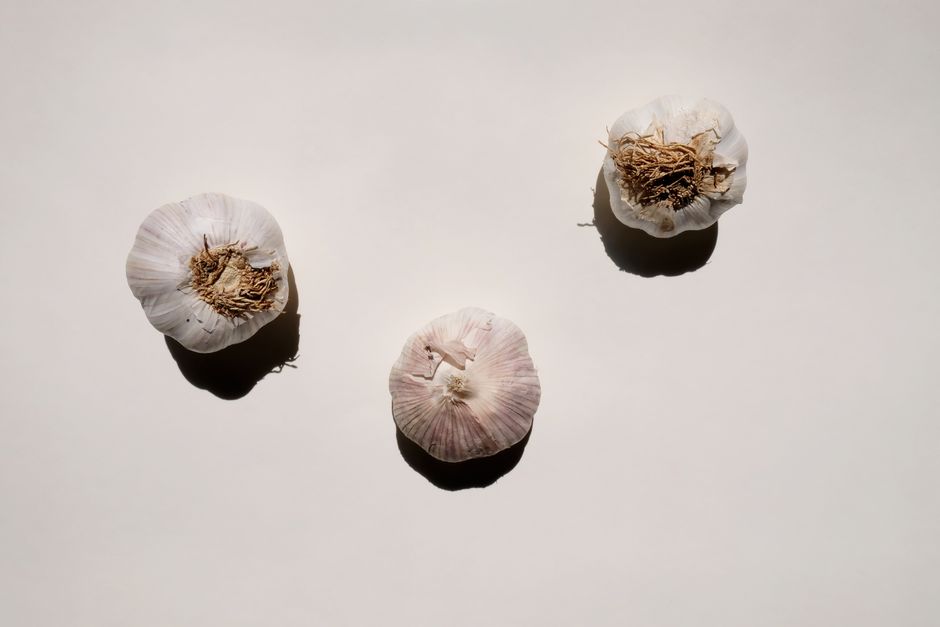
Garlic transforms a dish from bland to brilliant, but that sharp, lingering taste and smell can be a problem when you have had too much. The most direct way to neutralize garlic flavor is to use acids like lemon juice or vinegar, which chemically break down the sulfur compounds responsible for the pungency. Dairy fats, such as milk or yogurt, also work well by physically trapping those volatile molecules. This guide explains what actually works based on food science, what popular tricks to skip, and how to fix a dish that tastes like nothing but garlic.
What Causes Garlic’s Strong Flavor in the First Place?
Garlic’s intense character comes from a chemical reaction. When a garlic clove is crushed, chopped, or chewed, an enzyme called alliinase converts a compound called alliin into allicin. Allicin is the main source of garlic’s pungent smell and taste. It is also what gives garlic its reported health benefits.
Allicin is unstable. It breaks down quickly into other sulfur-containing compounds. These secondary compounds are what create the lasting aftertaste and the smell that lingers on your breath for hours. The more you damage the garlic cell walls—by mincing finely or pressing it—the more allicin you create. This is why a whole roasted garlic clove tastes mild and sweet while a crushed raw clove hits hard.
Understanding this chemistry helps explain why some neutralization methods work and others fail. You are not just masking a flavor. You are trying to deactivate or bind the sulfur molecules so your taste buds cannot detect them.
Does Acid Really Neutralize Garlic Flavor?
Yes, acid is one of the most effective tools. Lemon juice, lime juice, and vinegar all work. The acid changes the pH of the garlic, which alters the structure of the sulfur compounds. This makes them less volatile, meaning they do not float up into your nose as easily.
Research in food chemistry supports this. A study published in the Journal of Agricultural and Food Chemistry found that acidic environments significantly reduce the activity of alliinase, the enzyme that creates allicin. Without active alliinase, less allicin forms, and the garlic flavor is noticeably milder.
For practical use, add a tablespoon of lemon juice or white vinegar to a dish that has too much garlic. Stir it in and let it sit for a minute before tasting. You can also soak raw sliced garlic in lemon juice for ten minutes before adding it to a recipe. This stops the chemical reaction before it starts.
One important detail: acid does not remove garlic flavor that is already cooked into a dish. It works best on raw or lightly cooked garlic where the sulfur compounds are still active.
How Do Dairy Products Help Mellow Garlic?
Dairy works differently than acid. Milk, yogurt, sour cream, and butter do not chemically change the garlic compounds. Instead, they physically trap them. The fat and protein in dairy products bind to the sulfur molecules, preventing them from reaching your taste receptors.
This is why a glass of milk is better than water for washing down garlicky food. A 2010 study from Ohio State University found that whole milk reduced the concentration of garlic-smelling compounds in the air above a sample by about 50 percent. Water had almost no effect.
For a dish that tastes too garlicky, stirring in a spoonful of plain yogurt or heavy cream can help. This works especially well in soups, sauces, and dips. If you are eating raw garlic and want to reduce breath odor, drinking a glass of whole milk during the meal is the most evidence-backed strategy.
Skim milk works less well because the fat is what does most of the trapping. Full-fat dairy is the better choice here.





What About Heat, Herbs, and Other Common Fixes?
Heat changes garlic flavor, but not always in a helpful way. Cooking garlic at low to medium heat for a long time converts the sharp sulfur compounds into sweeter, milder ones. This is why roasted garlic tastes like butter and sugar rather than spice. However, if you add heat to a dish that already has too much garlic, you are not reversing the flavor. You are just cooking it further, which may or may not help depending on the dish.
Herbs and spices do not neutralize garlic. Parsley, mint, basil, and cilantro are commonly recommended as palate cleansers, but they only mask the flavor temporarily. They do not reduce the garlic compounds in the food or on your breath. The same goes for chewing coffee beans or eating an apple. These tricks can help your mouth feel fresher for a few minutes, but the sulfur is still there.
One non-obvious fix that does work is adding a starchy ingredient. Potatoes, rice, bread, and pasta absorb excess garlic flavor without changing the chemistry. They dilute the concentration of garlic in the dish. If your soup or sauce is too garlicky, add a boiled potato and let it simmer for ten minutes. The potato will soak up some of the liquid and the flavor along with it. Remove the potato before serving if you want.
How To Neutralize Garlic Flavor in Specific Dishes
Different foods need different approaches. Here is a breakdown of what to do based on what you are cooking.
| Dish Type | Best Fix | Why It Works |
|---|---|---|
| Soups and stews | Add a peeled whole potato, simmer 10 minutes, then remove | Starch absorbs excess garlic compounds |
| Salad dressings | Add extra lemon juice or vinegar | Acid neutralizes raw garlic enzymes |
| Pasta sauces | Stir in heavy cream or butter | Dairy fat traps sulfur molecules |
| Marinades | Increase the acid component | Stops allicin formation before cooking |
| Dips like hummus | Add more lemon juice or plain yogurt | Combines acid and dairy effects |
| Stir-fries | Add a splash of rice vinegar or lime juice at the end | Acid cuts through cooked garlic flavor |
For garlic breath specifically, the best strategy is to eat something during the meal, not after. Drinking whole milk or eating plain yogurt alongside the garlicky food reduces the amount of sulfur compounds that reach your breath in the first place. Chewing fresh parsley or mint after the meal can mask the smell, but it does not remove the source.
What Common Mistakes Make Garlic Flavor Worse?
Some popular advice is wrong or makes the problem worse. Here is what to avoid.
- Adding sugar. Sugar does not neutralize garlic. It masks the flavor briefly but does not change the sulfur compounds. The garlic taste returns once the sweetness fades.
- Using water. Drinking water spreads garlic compounds around your mouth but does not remove them. It may actually make the aftertaste last longer by distributing it.
- Brushing your teeth immediately. Brushing right after eating garlic pushes the sulfur compounds deeper into your gums and tongue. Wait at least 30 minutes, or use a tongue scraper first.
- Adding more raw garlic. Some recipes say to balance strong garlic with more garlic. This does not work. It only increases the concentration of allicin.
- Using baking soda. Baking soda is alkaline, not acidic. It can actually make garlic flavor more pronounced by raising the pH and allowing alliinase to work more freely.
The most common mistake people make is trying to fix garlic flavor after it is already in the dish. Prevention is easier. If you know a recipe calls for a lot of garlic, blanch the cloves in boiling water for 30 seconds before using them. This deactivates the alliinase enzyme and produces a much milder flavor without losing the garlic character entirely.
Frequently Asked Questions
Does lemon juice actually neutralize garlic?
Yes, the acid in lemon juice deactivates the enzyme that creates allicin, which reduces the pungent flavor significantly.
Can you remove garlic taste from soup that is already cooked?
Adding a peeled whole potato and simmering it for ten minutes will absorb some of the garlic flavor, and you can remove the potato before serving.
What is the fastest way to get rid of garlic breath?
Drinking a glass of whole milk while eating the garlic is the fastest evidence-backed method because the fat traps the sulfur compounds.
Does chewing parsley actually help with garlic breath?
Parsley only masks the smell temporarily and does not neutralize the sulfur compounds, so the effect lasts only a few minutes.
