
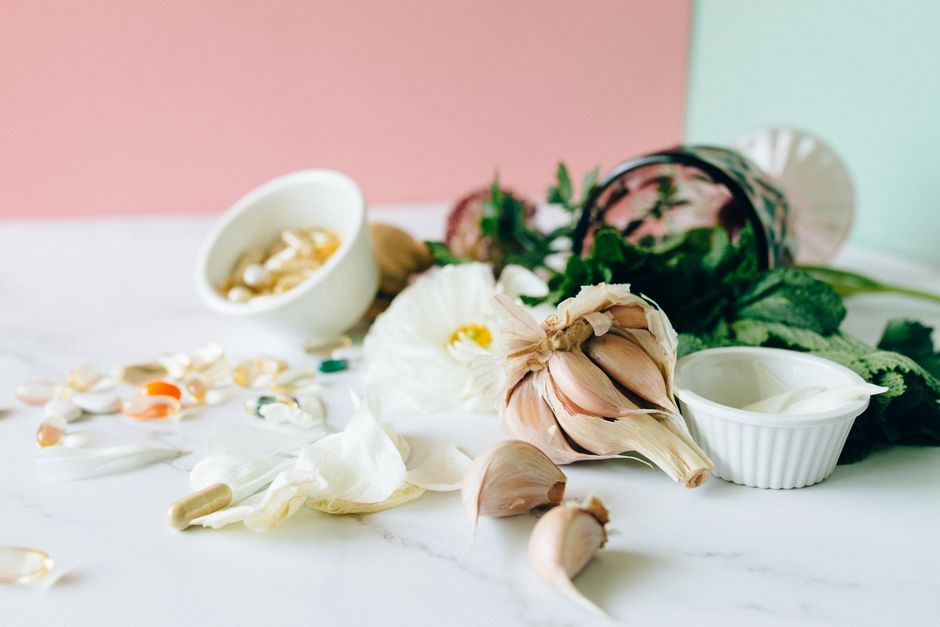
Garlic has a long history as a home remedy for colds, and some research suggests it might help shorten how long you are sick. However, the evidence is not as strong as many online articles claim. A 2014 review of studies found that people who took garlic supplements had fewer colds and recovered faster, but the studies were small and had design problems. The bottom line is that garlic may offer a small benefit, but it is not a cure or a proven prevention method.
Does Garlic Help With Colds Actually Work?
Garlic contains a compound called allicin. When you crush or chop a garlic clove, allicin forms. This compound has shown antibacterial and antiviral properties in lab tests. The idea is that allicin could fight the viruses that cause colds.
But there is a big gap between what happens in a petri dish and what happens in your body. When you eat garlic, your digestive system breaks down allicin quickly. It is not clear how much active compound actually reaches your bloodstream or your respiratory tract where cold viruses live.
One small study published in Advances in Therapy gave participants either a garlic supplement or a placebo for 12 weeks during cold season. The garlic group reported 24 colds total compared to 65 in the placebo group. They also recovered faster — about 3.5 days versus 5 days. These numbers sound impressive, but the study only had 146 participants. Larger, better-designed trials are needed to confirm these results.
What Does the Research on Garlic and Colds Show?
The Cochrane Collaboration, a respected independent research organization, reviewed the available evidence on garlic for preventing and treating the common cold. Their 2014 review found only one randomized controlled trial that met their quality standards. That single trial suggested garlic may prevent colds, but the reviewers concluded the evidence was insufficient to recommend garlic for this purpose.
Since that review, no large-scale clinical trials have been published that change this conclusion. Most of what you see online about garlic and colds comes from the same few small studies. The claims about garlic boosting your immune system are based on lab research and animal studies, not human trials.
Some studies suggest that aged garlic extract, which has less allicin but different active compounds, may support immune function. Research published in the Journal of Nutrition found that people taking aged garlic extract had fewer cold symptoms and missed fewer days of work. But again, these studies were small and funded by supplement companies, which introduces potential bias.
How Should You Take Garlic for a Cold?
If you want to try garlic for a cold, there are a few options. Fresh garlic is the most natural choice. Crush or chop one or two cloves and let them sit for 10 minutes before eating. This waiting period allows the allicin to form. You can mix it into food, but cooking reduces allicin content. Raw garlic is more potent but harder on your stomach.
Garlic supplements are another option. They come as powders, oils, or aged extracts. The amount of allicin in supplements varies widely between brands. Look for a supplement that standardizes allicin potential, usually listed as allicin yield on the label.
A typical dose used in studies is 600 to 1,200 milligrams of garlic powder per day, divided into two or three doses. Aged garlic extract is often taken at 2.4 grams per day. Start with a lower dose to see how your body handles it.
| Garlic Form | Typical Dose | Key Notes |
|---|---|---|
| Raw garlic | 1-2 cloves per day | Let crushed cloves sit 10 minutes before eating |
| Garlic powder supplement | 600-1,200 mg daily | Check for allicin yield on label |
| Aged garlic extract | 2.4 grams daily | Less allicin, different active compounds |
| Garlic oil | Follow label instructions | Often used in cooking, not as supplement |




What Are the Side Effects of Garlic?
Garlic is generally safe when eaten in normal food amounts. Higher doses from supplements can cause problems. The most common side effect is bad breath and body odor. Some people get heartburn, gas, or an upset stomach.
Garlic can thin your blood. If you take blood thinners like warfarin, talk to your doctor before using garlic supplements. The same goes for people scheduled for surgery — garlic may increase bleeding risk. Stop taking garlic supplements at least two weeks before any scheduled procedure.
Some people are allergic to garlic. Symptoms include skin rashes, hives, or in rare cases, breathing problems. If you develop these symptoms, stop using garlic immediately.
Garlic supplements can interact with certain medications. These include HIV medications, some birth control pills, and cyclosporine used after organ transplants. Always check with your doctor or pharmacist before adding a garlic supplement to your routine.
What Actually Works for Cold Prevention?
While garlic may offer a small benefit, other strategies have stronger evidence behind them. Here are the things that research consistently shows help prevent colds or reduce their severity:
- Washing your hands frequently with soap and water
- Avoiding touching your face, especially your eyes, nose, and mouth
- Getting enough sleep — studies show people who sleep less than 7 hours per night are more likely to get sick after exposure to a cold virus
- Managing stress levels — chronic stress weakens the immune system
- Staying physically active — moderate exercise supports immune function
Zinc lozenges may help if taken within 24 hours of symptoms starting. A 2017 review in the Journal of the Royal Society of Medicine Open found that zinc lozenges shortened colds by about 33 percent. Vitamin C does not prevent colds in the general population, but it may slightly shorten their duration. The evidence for echinacea is mixed, with most studies showing no benefit.
There is currently no cure for the common cold. Antibiotics do not work because colds are caused by viruses. Over-the-counter medications can help with symptoms but do not make the cold go away faster. Rest and fluids remain the most reliable advice for recovery.
Common Misconceptions About Garlic and Colds
One widespread claim is that eating raw garlic at the first sign of a cold can stop it from developing. There is no clinical evidence to support this. While some people report this works for them, individual stories are not the same as scientific proof.
Another myth is that garlic supplements work better than fresh garlic. The truth is that both forms have limited evidence. Fresh garlic has more allicin when raw, but supplements offer a more consistent dose. Neither has been proven superior in clinical trials.
Some people believe that putting garlic in your nose or ears can help with congestion or ear infections. This is dangerous and can cause burns to sensitive tissues. The American Academy of Otolaryngology warns against putting garlic or any home remedy directly into the ear canal. Stick to eating garlic or taking supplements by mouth.
The idea that more garlic is better is also false. Taking extremely high doses does not provide more benefit and increases the risk of side effects. Stick to the amounts used in studies — more than that is unlikely to help and may cause harm.
Frequently Asked Questions
Can garlic prevent a cold?
Some small studies suggest garlic may reduce how often you get colds, but the evidence is not strong enough to recommend it for prevention.
How much garlic should I take for a cold?
Studies have used 600 to 1,200 milligrams of garlic powder or 2.4 grams of aged garlic extract per day.
Is raw garlic better than garlic supplements for colds?
Raw garlic has more allicin when fresh, but supplements offer a consistent dose. Neither has been proven clearly better.
Can garlic cure a cold?
No. Garlic may help shorten a cold by a day or two, but it cannot cure or stop a cold once it starts.
