
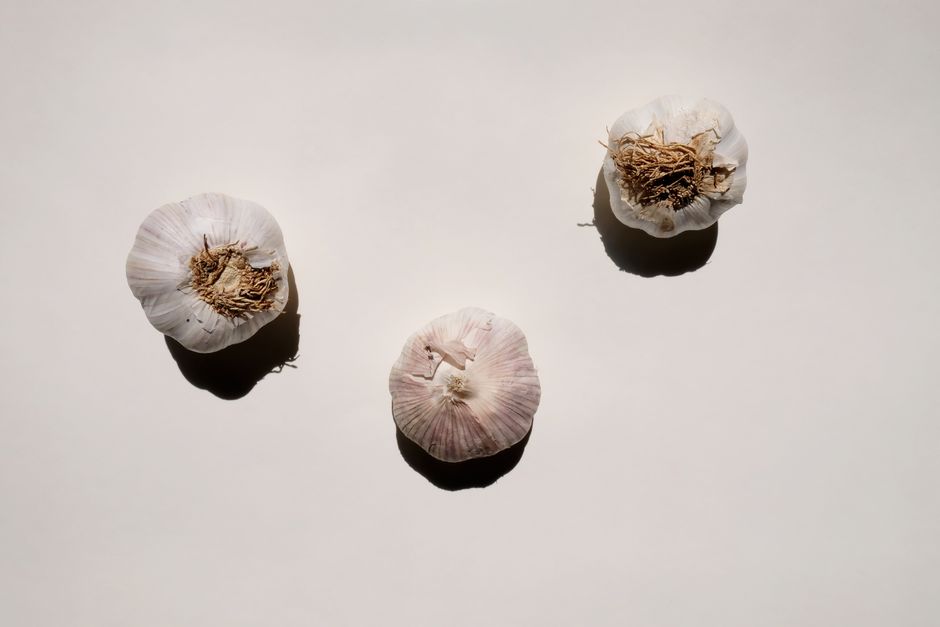
Garlic has been used for centuries to fight infection and reduce inflammation. The active compound responsible for most of its health benefits is allicin, which forms when garlic is crushed or chopped. Raw garlic delivers the most allicin, while cooking reduces it. For maximum anti-inflammatory effect, raw garlic is the stronger choice, but cooked garlic still offers benefits.
What Makes Garlic Anti-Inflammatory?
Garlic contains sulfur compounds, and the most important one is allicin. When a garlic clove is intact, allicin does not exist. It only forms when the clove is cut, crushed, or chewed. This action brings two separate compounds together, and they react to create allicin.
Allicin is unstable. It breaks down quickly at room temperature and even faster when heated. That is why how you prepare garlic matters more than most people realize. The anti-inflammatory effects come from these sulfur compounds, which influence immune cell activity and reduce the production of inflammatory signaling molecules.
Research has shown that garlic compounds can lower levels of certain inflammatory markers in the body. Some studies suggest regular garlic consumption is linked to reduced inflammation in conditions like arthritis, though the evidence is stronger in laboratory settings than in large human trials.
How To Use Garlic For Inflammation Raw Vs Cooked
The difference between raw and cooked garlic comes down to allicin content. Raw garlic has the highest concentration of active allicin. Cooking destroys the enzyme that helps form allicin, which means cooked garlic has significantly less anti-inflammatory potency.
If you want the strongest anti-inflammatory effect, use raw garlic. Crush or chop it and let it sit for 10 minutes before eating. This waiting period allows the allicin to fully form. Adding it to food at the end of cooking, rather than at the beginning, preserves more of the active compounds.
Cooked garlic is not useless. It still contains other sulfur compounds that have antioxidant properties. Some research indicates that lightly cooked garlic retains a portion of its beneficial effects. The key is to avoid high heat and long cooking times. Gentle sautéing for a few minutes causes less damage than roasting for an hour.
One practical approach is to use both. Add crushed raw garlic to dressings, dips, or sprinkle it over finished dishes. Use cooked garlic for flavor in sauces and stir-fries. This way you get the potent anti-inflammatory compounds from raw garlic and the milder benefits of cooked garlic.
Does Crushing Garlic Before Cooking Help?
Yes, and this is a detail many people miss. If you crush or chop garlic before cooking, you give the allicin time to form. Even though heat will destroy some of it, the brief window between cutting and cooking allows the reaction to happen.
Let the crushed garlic rest for 10 to 15 minutes before applying heat. This simple step maximizes the allicin that forms before cooking begins. Some of that allicin will survive the cooking process, especially if you use lower temperatures.
Microwaving garlic destroys the most allicin. Boiling also causes significant loss. The gentlest cooking methods are light sautéing in olive oil or adding garlic to a dish in the final minutes of cooking.





How Much Garlic Should You Eat?
There is no official daily recommendation for garlic consumption. Studies that show benefits typically use amounts ranging from one to two cloves per day. Some research uses garlic extracts or supplements with standardized allicin content.
One to two raw cloves per day is a reasonable amount for most healthy adults. Start with less if you are not used to raw garlic, as it can cause digestive upset. Eating garlic on an empty stomach is more likely to cause heartburn or nausea, so take it with food.
Garlic supplements are a different matter. They vary widely in quality and allicin content. Some are enteric-coated to survive stomach acid, which may improve absorption. If you choose a supplement, look for one that lists allicin potential on the label, not just garlic powder content.
What Does The Evidence Actually Show?
Laboratory studies consistently show that garlic compounds reduce inflammatory markers in cell cultures. Animal studies also support these findings. Human trials are more limited but generally show modest anti-inflammatory effects.
Some research published in peer-reviewed journals has found that aged garlic extract reduces inflammatory markers in people with elevated inflammation. Other studies have looked at garlic supplementation in people with arthritis, and results have been mixed but somewhat encouraging.
It is important to be honest about the limitations. Garlic is not a replacement for medical treatment of inflammatory conditions. It is a dietary factor that may support overall health, but no large clinical trial has proven that garlic alone can treat arthritis, inflammatory bowel disease, or other inflammatory conditions.
Are There Risks With Raw Garlic?
Raw garlic is safe for most people in food amounts. The main side effects are bad breath, body odor, and digestive discomfort. Some people experience heartburn after eating raw garlic, especially if they have acid reflux.
Garlic has blood-thinning properties. If you take blood thinners like warfarin, or if you have a bleeding disorder, talk to your doctor before eating large amounts of raw garlic or taking supplements. The same applies if you have surgery scheduled, as garlic can affect bleeding time.
Eating excessive amounts of raw garlic can cause more serious issues, including damage to the digestive tract. Stick to reasonable food amounts unless you have discussed supplementation with a healthcare provider.
Does Garlic Work For All Types Of Inflammation?
Inflammation is not one single process. Acute inflammation is the body’s short-term response to injury or infection. Chronic inflammation is a long-term state that contributes to conditions like heart disease, diabetes, and autoimmune disorders.
Garlic appears to have the most evidence for reducing markers of chronic inflammation. Studies have looked at C-reactive protein, a common blood marker of inflammation, and some have found that garlic consumption lowers it. The effect is modest, not dramatic.
For acute inflammation, such as a sprained ankle or a sore muscle, garlic is not the answer. Topical garlic preparations have been used in traditional medicine for skin infections, but no strong evidence supports rubbing garlic on inflamed joints or injuries. This approach can actually cause skin irritation or burns.
Practical Ways To Add More Raw Garlic
Raw garlic has a strong, sharp flavor that can be overwhelming. Start with small amounts and build up. Here are some simple ways to include it:
- Crush garlic into salad dressings with olive oil and lemon juice
- Mix minced garlic into softened butter and spread on bread
- Add raw garlic to guacamole or hummus right before serving
- Stir crushed garlic into yogurt-based dips
- Rub a cut clove around a salad bowl before adding greens
If the taste is too intense, consider fermented garlic or aged garlic extract. These forms have a milder flavor and still contain beneficial sulfur compounds, though not allicin specifically.
Frequently Asked Questions
Is raw garlic stronger than cooked garlic for inflammation?
Yes, raw garlic contains more allicin, the compound most responsible for anti-inflammatory effects. Cooking breaks down allicin, so cooked garlic has less potency.
How long should crushed garlic sit before eating or cooking?
Let crushed or chopped garlic rest for 10 to 15 minutes before eating or cooking. This allows the allicin to fully form before heat can destroy it.
Can I get the same anti-inflammatory benefits from garlic supplements?
Not necessarily, because supplement quality varies widely. Some supplements are standardized for allicin content, but many are not, and clinical evidence for supplements is less consistent than for fresh garlic.
Is it safe to eat raw garlic every day?
One to two cloves per day is safe for most healthy adults. People on blood thinners or with digestive conditions should check with a doctor first.
