
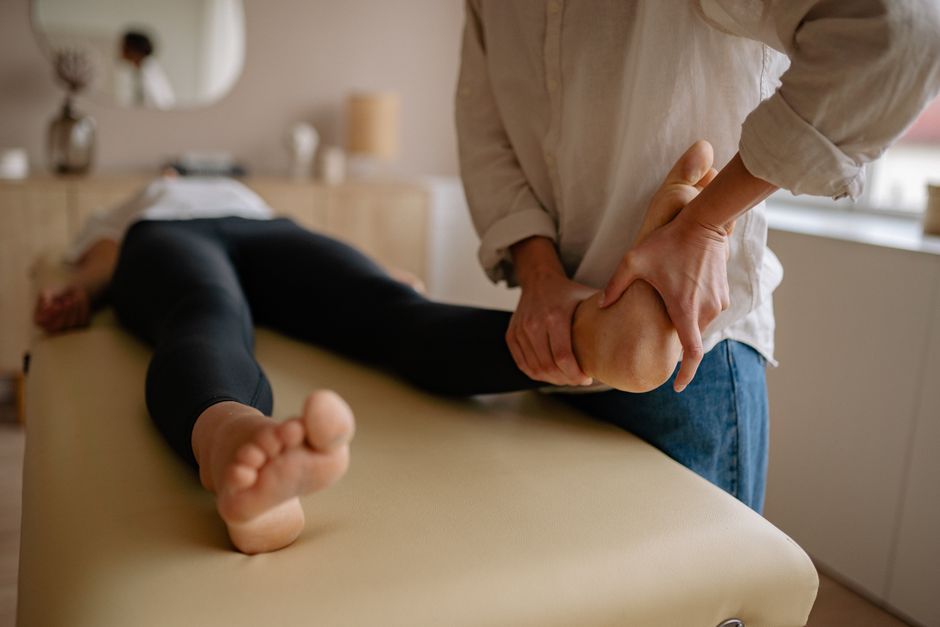
Foot pain is one of the most common reasons adults see a doctor, and most of it comes from a handful of causes that respond well to simple steps. Quick relief usually means rest, ice, elevation, and footwear changes. Long-term fixes mean addressing the specific problem — plantar fasciitis, arthritis, nerve pain, or tendon strain — rather than just masking the ache.
What Usually Causes Foot Pain?
The foot has 26 bones, more than 30 joints, and a network of ligaments, tendons, and nerves packed into a small space. That complexity is why pain can come from many different places, and why the location of the pain often points to the cause.
Heel pain that is worst with the first steps in the morning is a classic sign of plantar fasciitis. The plantar fascia is a thick band of tissue that runs along the bottom of the foot from the heel bone to the toes. Small tears and inflammation in that band produce a sharp, stabbing pain under the heel.
Pain in the ball of the foot, sometimes with a burning or tingling feeling, can point to nerve irritation. Pain along the base of the big toe, especially with swelling and stiffness, is often osteoarthritis or gout. Aching in the arch that worsens with activity may involve the posterior tibial tendon, which supports the arch.
Other common drivers include:
- Being on your feet for long hours on hard surfaces
- Sudden increases in walking, running, or standing
- Extra body weight, which raises load on the feet
- Diabetes, which can cause nerve damage called peripheral neuropathy
- Age-related loss of the fat pad that cushions the heel
- Improper shoes with poor arch support or worn-out soles
Getting the cause right matters. Ice and rest help almost any sore foot, but they will not fix a stress fracture or an infected wound. If pain is severe, came on suddenly after an injury, or comes with numbness, redness, or swelling, see a clinician rather than self-treating.
How To Ease Foot Pain Quick Relief And Long Term Fixes?
The fastest relief comes from reducing load and inflammation in the short term, then correcting the underlying trigger so the pain does not keep returning.
For quick relief, these steps are widely used and supported by general clinical practice:
- Rest and reduce load. Cut back on the activity that flares the pain. You do not have to stop moving entirely, but back off the amount and intensity.
- Ice. Apply a cold pack wrapped in a cloth for about 15 to 20 minutes at a time, a few times a day. Never put ice directly on skin.
- Elevate. Raising the foot above heart level can reduce swelling.
- Supportive shoes. Switch to shoes with a firm sole, a cushioned heel, and good arch support. Avoid flat, thin-soled shoes and barefoot walking on hard floors.
- Over-the-counter pain relief. Nonsteroidal anti-inflammatory drugs such as ibuprofen or naproxen can ease pain and swelling for many people. These are not right for everyone — check with a pharmacist or doctor if you have stomach, kidney, or heart conditions, or take blood thinners.
For long-term fixes, the goal is to change what caused the pain in the first place. That usually means stretching tight tissue, strengthening weak muscles, and choosing footwear that fits your foot. For plantar fasciitis specifically, heel and calf stretching is one of the most consistently recommended approaches. Physical therapy can help when self-care is not enough.
One point worth being clear about: no single remedy works for every type of foot pain. A treatment that helps plantar fasciitis may do nothing for nerve pain. Matching the fix to the cause is what makes the difference between temporary relief and a lasting one.
Which Stretches and Exercises Actually Help?
Stretching and strengthening are among the most reliable long-term tools for common foot pain, particularly heel and arch pain. The logic is straightforward — tight calf muscles increase tension on the plantar fascia, so loosening them reduces strain on the foot.
A few exercises come up again and again in clinical guidance:
- Calf stretch. Stand facing a wall, one leg back with the heel flat on the floor, and lean forward until you feel a stretch in the back leg. Hold for about 30 seconds and repeat a few times per side.
- Plantar fascia stretch. Sitting down, cross one foot over the other knee and pull the toes back toward the shin until you feel a stretch along the arch. Hold briefly and repeat.
- Towel curls. Use your toes to scrunch a towel on the floor. This works the small muscles of the foot.
- Toe spreads. Spread the toes wide, hold, and relax. This can help with stiffness.
Consistency matters more than intensity. A few minutes most days tends to help more than long sessions once a week. If an exercise sharply increases pain, stop and get it checked.
For strengthening the foot and ankle, resistance bands and simple balance work can improve stability over time. This is especially useful for people with flat feet or weak arches, where the muscles and tendons are doing more work than they can comfortably handle.





Do Shoe Inserts and Orthotics Help?
Footwear is one of the most impactful changes you can make, and it is often overlooked. Shoes that lack support force the foot to work harder with every step.
Over-the-counter insoles and arch supports help many people with heel and arch pain. They cushion the heel and support the arch, which reduces strain on the plantar fascia and other structures. Some studies suggest they can reduce pain for plantar fasciitis, though results vary and not everyone benefits.
Custom orthotics, made from a mold of your foot, are sometimes recommended when over-the-counter options fail or when there is a structural problem such as a significant foot deformity. These are more expensive and not clearly better than good over-the-counter inserts for everyone. Some clinicians recommend them; the evidence that they outperform simpler options is mixed.
What is well established is that shoe choice matters. A few practical rules:
- Look for a firm heel counter that holds the heel in place
- Choose a sole that does not twist easily in the middle
- Replace worn shoes, since cushioning breaks down over time
- Avoid going barefoot on hard floors if you have heel pain
When Should You See a Doctor for Foot Pain?
Most foot pain improves with self-care within a few weeks. Some situations need medical attention, and a few need it right away.
See a doctor promptly if you have:
- Severe pain or pain that started after an injury
- Inability to bear weight on the foot
- Redness, warmth, or swelling that is getting worse
- Numbness, tingling, or loss of feeling
- An open sore or wound, especially if you have diabetes
- Fever along with foot pain
- Pain that does not improve after several weeks of self-care
Foot problems in people with diabetes deserve special caution. Reduced sensation and poor circulation can let a small wound become serious quickly. Regular foot checks and prompt care for any sore are standard practice for anyone with diabetes.
For persistent pain, a clinician can examine the foot, check your gait, and order imaging if needed. Treatment options for ongoing problems include physical therapy, prescription medications, corticosteroid injections, and in some cases surgery. These are decisions to make with a clinician, since each has benefits and risks that depend on your specific diagnosis.
Can Foot Pain Be Prevented?
Some foot pain is preventable, and prevention overlaps heavily with the long-term fixes. The same habits that ease pain also reduce the chance of it returning.
Building load gradually is one of the most useful steps. Sudden jumps in walking, running, or standing time are a common trigger for heel and arch pain. Increasing activity slowly gives tissue time to adapt.
Maintaining a healthy body weight reduces the load the feet carry with every step. This is a well-established factor in foot and joint stress. Wearing supportive shoes, stretching the calves and feet regularly, and giving the feet rest between hard activity days all help.
For people who stand all day at work, cushioned insoles and anti-fatigue mats can reduce strain. Rotating shoes so cushioning has time to recover is a small habit that adds up.
No approach prevents every case of foot pain. Age, arthritis, and some structural foot shapes raise the risk regardless of habits. But for the most common causes, the everyday choices above make a real difference.
Frequently Asked Questions
How can I relieve foot pain fast at home?
Rest, ice for 15 to 20 minutes at a time, elevation, and supportive shoes are the standard first steps and often ease pain within days. Over-the-counter anti-inflammatory medicine can help if it is safe for you to take.
What is the most common cause of heel pain?
Plantar fasciitis is the most common cause of heel pain, especially when the first steps in the morning are the worst. It involves inflammation and small tears in the band of tissue along the bottom of the foot.
Do I need to see a doctor for foot pain?
See a doctor if you cannot bear weight, the pain started after an injury, or it does not improve after several weeks of self-care. Numbness, redness, swelling, or an open wound also warrant prompt care, especially with diabetes.
Can foot pain go away on its own?
Many cases of common foot pain improve within a few weeks with rest, ice, and better footwear. Pain that persists or keeps returning usually means the underlying cause needs to be addressed.
