
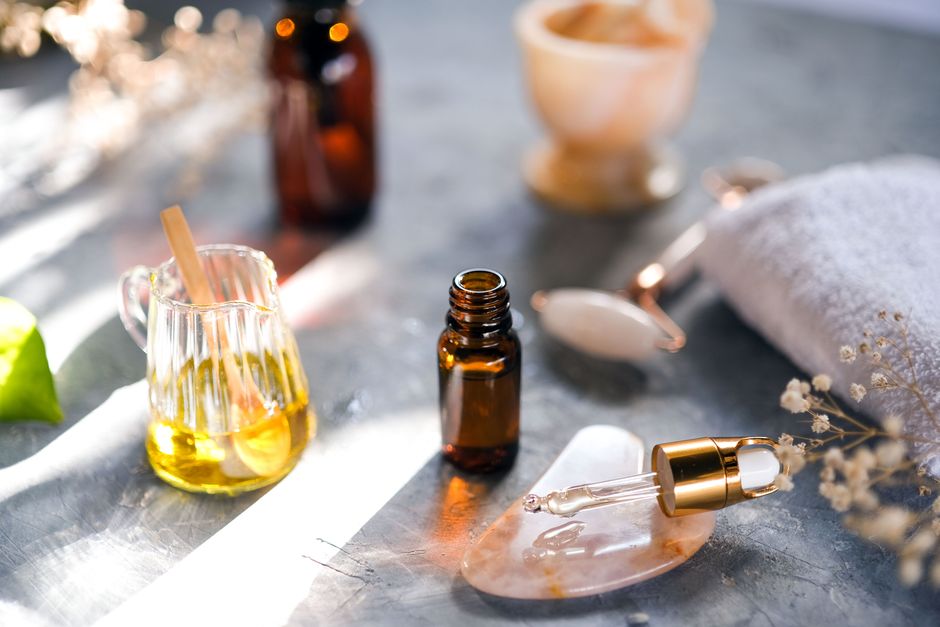
Essential oils are concentrated plant extracts that some people use to support relaxation before bed. Research on their sleep benefits is mixed, but certain oils like lavender have shown modest effects in some studies. The most reliable way to use them is through a diffuser or diluted application, not by swallowing them or applying them directly to the skin without a carrier oil.
How To Use Essential Oils For Better Sleep: Key Facts
Using essential oils for sleep starts with choosing the right oil and then using it safely. Lavender is the most studied oil for sleep and relaxation. Other oils commonly used include chamomile, bergamot, and cedarwood. The evidence for these is thinner than for lavender.
The most common methods are diffusing the oil into the air, applying diluted oil to the skin, or adding a few drops to a warm bath. Each method has its own safety considerations. A diffuser disperses tiny particles of oil into the air, which you then breathe in. Skin application requires a carrier oil like coconut or jojoba oil to prevent irritation.
Start with a low amount, such as one to three drops in a diffuser. See how your body responds before using more. More oil does not mean better sleep. Higher concentrations can irritate your airways or skin.
Which Essential Oils Have Evidence For Sleep?
Lavender has the strongest research backing of all the essential oils studied for sleep. Several small studies have found that inhaling lavender aroma can increase slow-wave sleep, which is the deep, restorative stage of sleep. Some research also suggests lavender can reduce heart rate and blood pressure slightly, which may help you relax.
Chamomile essential oil is often used for sleep, but the evidence is less clear. Chamomile tea has been studied more than the essential oil. The oil contains a compound called bisabolol, which has calming properties in animal studies. Human trials are limited.
Bergamot and cedarwood oils are mentioned frequently in sleep circles. Neither has strong clinical evidence supporting their use for sleep. Some people find the scents calming, which can help with the mental transition to sleep. That effect is real but individual — it may not work for everyone.
How To Diffuse Essential Oils Safely In The Bedroom
Diffusing is the most common way to use essential oils for sleep. Place the diffuser on a stable surface away from the edge of the bed. Keep it at least a few feet from your face. Run it for 15 to 30 minutes before you plan to sleep, then turn it off.
Running a diffuser all night is not recommended. Continuous exposure to aromatic compounds can irritate your nasal passages and throat. Some people develop headaches from prolonged inhalation. Short exposure before sleep gives you the benefit without the risk.
Clean your diffuser regularly according to the manufacturer’s instructions. Old oil residue can harbor bacteria and alter the scent. A clean diffuser also distributes the oil more evenly.
If you have asthma or other respiratory conditions, talk to your doctor before using a diffuser. Strong aromas can trigger coughing or wheezing in sensitive individuals.





How To Apply Essential Oils To Your Skin For Sleep
Applying diluted essential oil to your skin is another common method. Never apply undiluted essential oil directly to your skin. Concentrated oils can cause chemical burns, rashes, or allergic reactions.
Use a carrier oil such as jojoba, coconut, sweet almond, or grapeseed oil. A safe dilution ratio is about 3 to 5 drops of essential oil per tablespoon of carrier oil. Mix them together before applying. Good spots for sleep application include the wrists, the soles of the feet, or the back of the neck.
Do a patch test first. Apply a small amount of the diluted mixture to the inside of your forearm. Wait 24 hours to see if any redness, itching, or irritation develops. If your skin reacts, do not use that oil.
Some people rub diluted oil on their chest or under their nose. Be careful with the face area — skin there is more sensitive than the arms or legs. Keep oil away from your eyes and mucous membranes.
Can You Use Essential Oils In A Bath For Sleep?
A warm bath with a few drops of essential oil can be relaxing. But essential oils do not dissolve in water. They float on the surface, which means the undiluted oil can contact your skin directly. This can cause irritation.
Mix the essential oil with a dispersant first. A tablespoon of carrier oil, full-fat milk, or a mild unscented soap can help the essential oil spread through the bath water. Add the mixture to running water so it disperses thoroughly.
Keep the bath warm, not hot. Hot water opens your pores and can increase skin absorption of the oil. It also raises your core body temperature, which can interfere with sleep onset. A warm bath about an hour before bed is more likely to help than a hot one right before sleeping.
What Not To Do With Essential Oils For Sleep
Do not swallow essential oils. Ingesting them can cause serious harm, including liver and kidney damage. Some oils are toxic when swallowed. No clinical guidelines support internal use of essential oils for sleep.
Do not apply essential oils to broken or irritated skin. The compounds absorb faster through damaged skin and can enter your bloodstream in higher amounts. This increases the risk of adverse reactions.
Do not use essential oils on infants or young children without a healthcare provider’s guidance. Children’s skin is thinner and more permeable. Their respiratory systems are also more sensitive to strong aromas. No established safety guidelines currently exist for essential oil use in young children.
If you are pregnant or breastfeeding, talk to your doctor before using essential oils. Some oils are considered safe during pregnancy in diluted, aromatic use. Others are not. The evidence base is thin, and individual risk varies.
Do Essential Oils Actually Improve Sleep Quality?
The honest answer is that the evidence is mixed. Some studies show small improvements in sleep quality with lavender inhalation. Others show no significant difference compared to placebo. The studies that show benefits often use small sample sizes and short durations.
Aromatherapy may work partly through expectation. If you believe the scent will help you sleep, you may relax more easily. This is called the placebo effect, and it is real. It does not mean the oil is useless — it means the benefit may come from the ritual and your mindset as much as from the oil chemistry.
What matters most for sleep is your overall routine. Essential oils are not a substitute for good sleep hygiene. Going to bed at a consistent time, keeping your bedroom dark and cool, and avoiding screens before bed have stronger evidence behind them than any essential oil.
Use essential oils as one part of a calming bedtime ritual, not as the only solution. If you have chronic insomnia or sleep problems lasting more than a few weeks, talk to a doctor. They can help identify underlying causes that aromatherapy cannot address.
Frequently Asked Questions
How many drops of essential oil should I use in a diffuser?
Start with 1 to 3 drops in a diffuser and run it for 15 to 30 minutes before bed. More drops do not increase the benefit and can irritate your airways.
Can I put essential oils directly on my pillow?
It is safer to diffuse the oil than to put it directly on fabric. Direct application can irritate your skin and eyes, and the concentrated scent may be too strong.
Is lavender oil safe to use every night?
Using lavender oil aromatically most nights is generally considered low risk for most adults. If you develop headaches, congestion, or skin irritation, stop using it and talk to a healthcare provider.
Which essential oil is best for deep sleep?
Lavender has the most research support for improving sleep quality. No essential oil has been proven to produce deep sleep on its own.
