
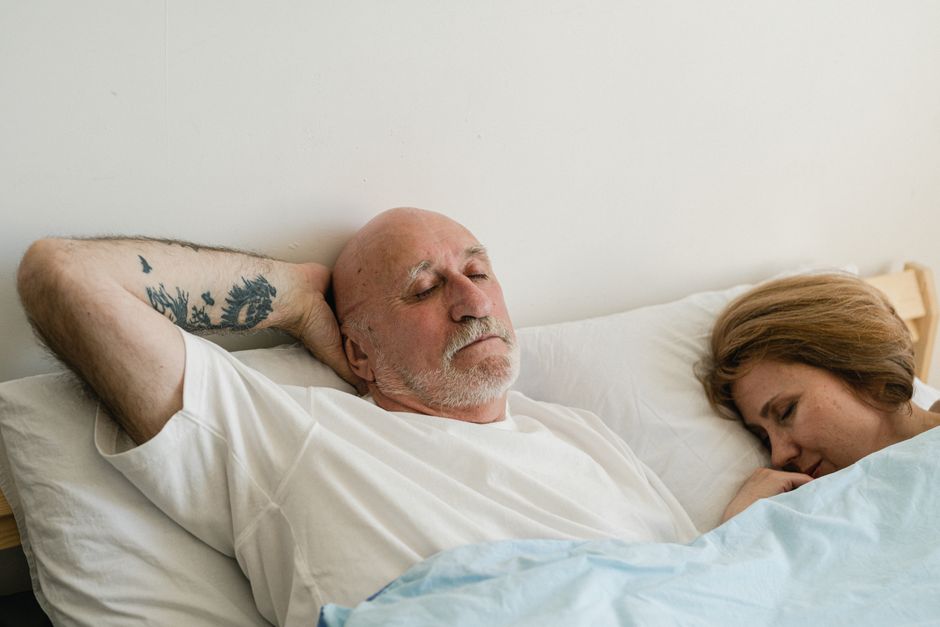
Sleep problems are common, and most people want a solution that works tonight, not weeks from now. The proven path to better sleep starts with your body’s internal clock and the habits that support it. Research consistently shows that consistent sleep timing, a cool dark room, and avoiding screens for an hour before bed are the most effective natural levers you can pull. These are not trends; they are the foundations of sleep science that work for most people within a few nights.
How To Sleep Better Naturally Proven Tips For Tonight
The fastest way to improve sleep tonight is to control your environment and your evening routine. Your brain needs specific cues to begin the sleep process, and you can create those cues starting right now.
First, dim the lights in your home an hour before you intend to sleep. Bright light, especially the blue light from screens, suppresses melatonin, the hormone that regulates your sleep-wake cycle. Second, lower your room temperature to around 65°F (18°C). Your core body temperature needs to drop slightly to initiate and maintain sleep. Third, commit to a single consistent wake time tomorrow morning, regardless of how much sleep you get tonight. This anchors your circadian rhythm and makes falling asleep tomorrow night easier.
Why Can’t I Fall Asleep Even When I Am Tired?
Feeling tired but being unable to sleep is a frustrating but common experience. It usually means your body is tired while your mind is still alert, or your circadian rhythm is out of sync with your sleep opportunity.
One major cause is cognitive arousal. Racing thoughts, worry, or planning for tomorrow keeps your brain’s alertness system active. Your body may be exhausted, but your brain has not received the signal that it is safe to power down. Another cause is inconsistent sleep scheduling. If you sleep in late on weekends but wake early on weekdays, your internal clock becomes confused, similar to a mild form of jet lag.
Stimulants play a significant role as well. Caffeine has a half-life of roughly 5 to 6 hours in most adults. That means a 3 PM coffee still leaves a significant amount of caffeine in your system at 9 PM. Alcohol also disrupts sleep architecture, even though it may help you fall asleep faster initially. It fragments the later stages of sleep and reduces overall sleep quality.
What Is the Best Natural Sleep Aid That Works Immediately?
No single pill, herb, or supplement is a guaranteed immediate cure for insomnia. The evidence for natural supplements is mixed, and what works for one person may not work for another. It is important to separate established facts from marketing claims.
Melatonin is the most studied natural sleep supplement. It is a hormone your brain produces in response to darkness. Research shows it is most effective for shifting your circadian rhythm, such as when traveling across time zones, rather than for treating chronic insomnia. For many people, a low dose of 0.5 to 3 mg taken 1 to 2 hours before bed can help signal the body that it is time to sleep. Higher doses are not necessarily more effective and can cause vivid dreams or grogginess the next day.
Magnesium is another supplement often promoted for sleep. Some research suggests magnesium can help with relaxation by supporting GABA activity in the brain, a neurotransmitter that calms the nervous system. However, evidence for magnesium as a standalone treatment for insomnia is limited. If you are deficient, supplementation may help, but there is no strong evidence that extra magnesium improves sleep in people who already have adequate levels.
Herbal teas like chamomile and valerian root are common bedtime rituals. Chamomile has mild calming properties, but clinical evidence for its effectiveness as a sleep aid is weak. The act of brewing and drinking a warm, caffeine-free beverage can itself be a relaxing ritual that signals bedtime to your brain. Valerian root has mixed evidence in clinical trials, and its long-term safety is not well established.



What Are the Proven Natural Sleep Remedies for This Evening?
Instead of relying on a single supplement, focus on behavioral techniques that have stronger evidence behind them. These are not quick fixes but they produce results within a few days when applied consistently.
- Set a fixed wake time: This is the single most powerful anchor for your internal clock. Wake up at the same time every day, even on weekends. This stabilizes your circadian rhythm and builds sleep pressure at the right time each night.
- Use light strategically: Get bright light exposure within 30 minutes of waking. This signals your brain that daytime has begun and helps you feel alert. In the evening, dim lights and avoid screens for at least 60 minutes before bed.
- Take a warm bath: The drop in body temperature after a warm bath mimics the natural temperature decrease that occurs before sleep. Some studies indicate this can help you fall asleep faster.
- Follow the 20-minute rule: If you are lying in bed and cannot fall asleep after about 20 minutes, get up and do something quiet in dim light until you feel sleepy. This prevents your brain from associating your bed with frustration and wakefulness.
These techniques work by addressing the underlying causes of delayed sleep onset. They are not sedatives that force sleep; they create the conditions where natural sleep can occur.
What Are the Best Foods and Drinks for Better Sleep Tonight?
What you eat and drink in the hours before bed affects how quickly you fall asleep and how well you stay asleep. The goal is to avoid foods that disrupt digestion or blood sugar and to include foods that may support sleep-related pathways.
Avoid heavy, spicy, or high-fat meals within 3 hours of bedtime. These increase the time your stomach needs to empty and can cause heartburn or indigestion that interferes with sleep. Large meals also raise your core body temperature slightly, which works against the natural cooling your body needs for sleep.
Limit fluids in the 2 hours before bed to reduce the chance of waking up to use the bathroom. Nighttime urination, known medically as nocturia, is a common cause of fragmented sleep, especially in adults over 50.
Some foods contain nutrients that may support sleep. Tart cherry juice is one of the few foods studied directly for sleep. Some research suggests it may increase melatonin levels and improve sleep duration, though study results vary. Kiwi fruit has also been examined in small studies, with some evidence indicating improved sleep onset and duration. These findings are preliminary, and eating these foods is not a substitute for good sleep hygiene.
Foods rich in tryptophan, an amino acid precursor to serotonin and melatonin, are often recommended. Turkey, eggs, and dairy contain tryptophan. However, tryptophan must compete with other amino acids to cross the blood-brain barrier, so eating a high-protein meal may not reliably increase brain tryptophan levels. A small carbohydrate snack, such as a piece of toast or a few crackers, may help transport tryptophan into the brain more effectively.
Avoid caffeine after mid-afternoon. Caffeine sensitivity varies by individual and genetics, but most adults metabolize caffeine slowly enough that an afternoon cup can still affect sleep at night. Chocolate also contains caffeine, and dark chocolate has more than milk chocolate.
What Should I Do If I Wake Up in the Middle of the Night?
Waking up during the night is normal, especially as you age. The problem is not the awakening itself but the inability to fall back asleep. How you respond to a middle-of-the-night awakening determines how long you stay awake.
Do not look at the clock. Checking the time triggers your brain to calculate how much sleep you have left, which creates anxiety and makes sleep harder. Turn the clock away from your bed or remove it from your bedside table.
If you are awake for more than about 20 minutes, get out of bed. Go to another room and do something calming in very low light. Read a physical book, listen to quiet music, or do a gentle stretching routine. Avoid screens, as the light and content will stimulate your brain. Return to bed only when you feel sleepy again.
This technique, called stimulus control, is a core component of cognitive behavioral therapy for insomnia (CBT-I). It works by breaking the association between your bed and wakefulness. Over time, your brain relearns that bed equals sleep, and middle-of-the-night awakenings become shorter.
Does Exercise During the Day Help Me Sleep at Night?
Regular physical activity is strongly associated with better sleep quality and duration. Research consistently shows that people who exercise regularly fall asleep faster and spend more time in deep sleep compared to sedentary people.
Moderate aerobic exercise, such as brisk walking, cycling, or swimming, appears to be most beneficial. The timing of exercise matters for some people. Morning or afternoon exercise generally promotes better sleep. Exercising too close to bedtime can be counterproductive for some individuals because it raises core body temperature and stimulates the nervous system. If you exercise in the evening, finish at least 2 to 3 hours before you plan to sleep.
Yoga and gentle stretching in the evening may be particularly helpful. Some studies suggest that evening yoga reduces stress and improves sleep quality, especially in older adults. The combination of physical movement, focused breathing, and relaxation likely contributes to these benefits.
Frequently Asked Questions
What is the fastest way to fall asleep naturally?
Lower your room temperature to around 65°F and get out of bed if you cannot sleep after 20 minutes. Return to bed only when you feel sleepy to break the cycle of frustration.
Does magnesium really help with sleep?
Magnesium may help if you are deficient, but evidence for it as a standalone insomnia treatment is limited. Some research suggests it supports relaxation, but no large trials confirm it cures insomnia.
Is it bad to look at my phone in bed?
Yes, because the bright light suppresses melatonin and the content keeps your brain alert. Keep screens out of the bedroom or stop using them at least 60 minutes before bed.
Can drinking warm milk help you sleep?
Warm milk contains tryptophan, but the amount is too small to have a strong effect on sleep. The relaxing effect likely comes from the warm, quiet ritual of drinking it before bed.
