
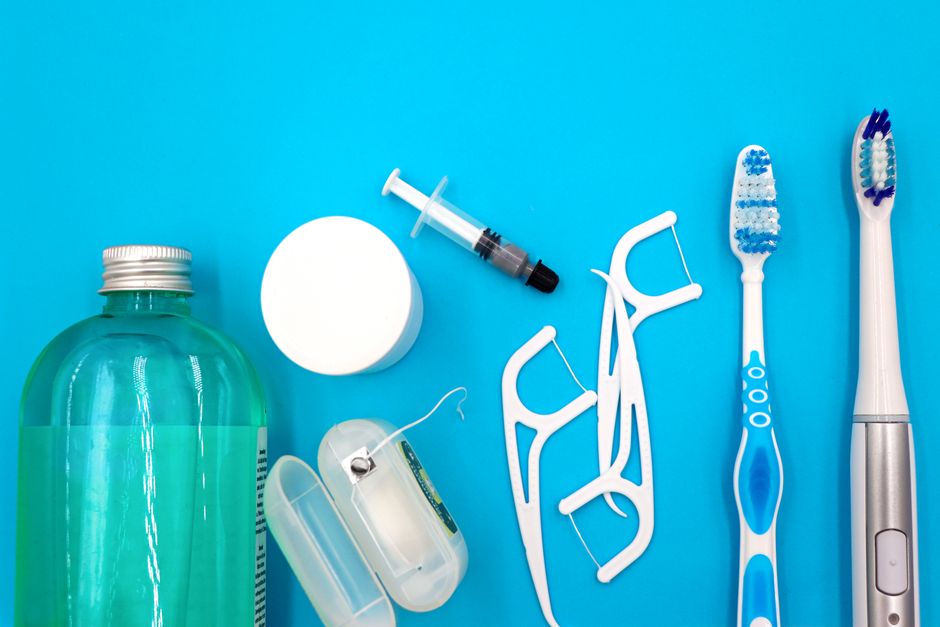
Using an electric toothbrush is simple once you know the basic steps: wet the bristles, apply toothpaste, place the brush at a 45-degree angle against your gumline, and let the brush do the work. Move the brush slowly across each tooth surface for about two minutes total, spending roughly 30 seconds in each quadrant of your mouth. The most important thing to remember is that you should not scrub or press hard — the brush’s vibrations do the cleaning for you.
How To Use Electric Toothbrush: The Basic Steps
Start by wetting the bristles and applying a pea-sized amount of fluoride toothpaste. Turn the brush on before it touches your teeth to avoid splattering toothpaste across the room.
Place the brush head against your teeth at a 45-degree angle, aimed at the gumline. This angle lets the bristles reach slightly under the gum edge where plaque collects. Hold the brush in place for a few seconds on each tooth before moving to the next one. Do not scrub back and forth like you would with a manual brush.
Guide the brush along the outer surfaces of your teeth, then the inner surfaces, then the chewing surfaces. Many electric toothbrushes have a timer that beeps every 30 seconds to tell you when to switch quadrants. If yours has this feature, use it. If not, set a timer on your phone.
Finish by brushing your tongue gently. This removes bacteria that cause bad breath. Rinse your mouth and the brush head thoroughly when done.
How Hard Should You Press?
Most people press too hard. This is the most common mistake with electric toothbrushes. Scrubbing hard does not clean better — it can damage your gums and wear down tooth enamel over time.
The correct pressure is light enough that the bristles do not splay out against your teeth. You should feel the vibration but not pressure. Many electric toothbrushes include a pressure sensor that lights up or pulses when you press too hard. If your brush has this feature, pay attention to it.
Some research suggests that a light touch with an electric toothbrush removes plaque more effectively than vigorous scrubbing. The brush head’s oscillating or sonic motion does the mechanical work. Your job is simply to guide it along each tooth surface.
How Long Should You Brush?
The standard recommendation is two minutes, twice a day. This is the duration that dental professionals and clinical guidelines have established for adequate plaque removal.
Most electric toothbrushes come with a built-in two-minute timer. Some pause briefly every 30 seconds to signal a quadrant change. If your brush lacks a timer, use a separate timer or brush along to a two-minute song.
Brushing longer than two minutes does not provide additional benefit and can contribute to enamel wear. Brushing less than two minutes leaves plaque behind, particularly on the back teeth and along the gumline where it is hardest to reach.





Which Brush Head Should You Use?
Standard brush heads work well for most people. Choose the size that fits your mouth comfortably. A head that is too large makes it hard to reach the back molars.
Replace your brush head every three months, or sooner if the bristles become frayed. Worn bristles clean less effectively and can harbor bacteria. Some manufacturers embed indicator bristles that fade when it is time to replace the head.
If you have sensitive teeth or receding gums, a soft brush head is generally the better choice. Medium and firm bristles can aggravate gum tissue, especially if you tend to press hard. Most dental professionals recommend soft bristles for nearly everyone.
Electric vs. Manual Toothbrush: Does It Matter?
Studies have found that electric toothbrushes reduce plaque and gingivitis more effectively than manual brushes over time. The advantage is modest but consistent, particularly for people who struggle with proper manual technique.
The main benefit of electric brushes is that they do not rely on your brushing motion. The powered head delivers thousands of strokes per minute, which is far more than you can achieve by hand. This matters most for people with limited dexterity, such as older adults or those with arthritis.
That said, a manual toothbrush used correctly is still effective. The best toothbrush is the one you will use properly twice a day. If an electric brush encourages you to brush longer and more consistently, it is worth the investment.
Common Mistakes to Avoid
Several habits reduce the effectiveness of electric toothbrushes. Being aware of them can help you get better results from your routine.
- Brushing too fast: Moving the brush across your teeth quickly means each tooth gets only a fraction of a second of contact. Slow down and let the brush work.
- Brushing immediately after eating: Acidic foods and drinks soften enamel temporarily. Brushing right after can wear it away. Wait at least 30 minutes after eating before brushing.
- Storing the brush covered: A closed container traps moisture and encourages bacterial growth. Store your brush upright in the open air.
- Sharing brush heads: Sharing spreads bacteria and is not recommended even among family members.
- Ignoring the back teeth: The molars are the hardest to reach and the most prone to decay. Give them the same attention as your front teeth.
Flossing remains necessary even with an electric toothbrush. No brush, manual or electric, can clean between teeth effectively. The bristles cannot reach into the tight spaces between adjacent teeth where plaque accumulates.
Special Considerations for Sensitive Teeth and Gums
If you have sensitive teeth, gum recession, or have recently had dental work, you may need to adjust your technique. Start with the gentlest setting on your brush if it has multiple intensity levels.
Some people experience gum soreness in the first week of switching from a manual to an electric brush. This is usually temporary and results from your gums adjusting to the new cleaning action. If soreness persists beyond a week or is accompanied by bleeding, consult your dentist.
People with braces, implants, or other dental appliances can use electric toothbrushes safely. The brush may need to be angled differently to clean around brackets and wires. Ask your orthodontist or dentist for specific guidance on your situation.
For children, electric toothbrushes are safe when used under adult supervision. Many models designed for children have smaller heads and softer bristles. Children under six may not have the coordination to use an electric brush effectively on their own.
How To Clean and Maintain Your Electric Toothbrush
Rinse the brush head thoroughly with tap water after each use. Shake off excess water and store the brush upright so it can air dry. Do not store it in a closed case while it is still wet.
Clean the handle occasionally with a damp cloth. Water can damage the charging base, so keep it dry and away from the sink edge. Do not submerge the handle in water unless the manufacturer states it is waterproof.
Replace the brush head every three months. Mark your calendar if you tend to forget. Some subscription services deliver replacement heads automatically, which can help maintain a consistent schedule.
The battery in most electric toothbrushes lasts between one and three weeks per charge, depending on the model and usage. Charge it according to the manufacturer’s instructions. Some models use replaceable batteries, while others have built-in rechargeable batteries that eventually wear out.
Frequently Asked Questions
Should I wet the toothbrush before applying toothpaste?
Yes, wetting the bristles helps the toothpaste spread evenly across your teeth. It also makes the brushing experience more comfortable, especially if you have a sensitive mouth.
Can I use an electric toothbrush with braces?
Yes, electric toothbrushes are safe and effective with braces. Angle the brush to clean around brackets and wires, and use a soft brush head to avoid damaging the appliance.
How often should I replace my electric toothbrush head?
Replace the brush head every three months, or sooner if the bristles look frayed or worn. Worn bristles clean less effectively and can irritate your gums.
Is it normal for my gums to bleed when I start using an electric toothbrush?
Mild bleeding in the first few days can be normal as your gums adjust to the new cleaning action. If bleeding continues beyond a week or is heavy, see your dentist.
