
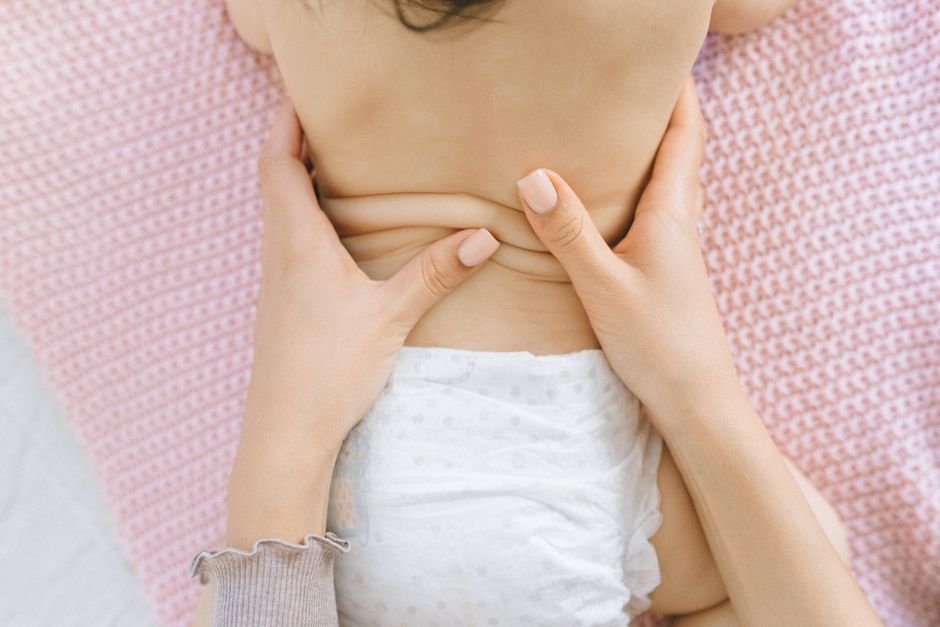
Disposable diapers are a daily tool for millions of parents, but using them correctly involves more than just strapping one on. The key facts are simple: change the diaper frequently, clean the skin thoroughly, and ensure the fit is snug but not tight. Getting these basics right prevents the most common problems—diaper rash, leaks, and skin irritation—and keeps your baby comfortable and healthy.
How Often Should You Change a Disposable Diaper?
Change a wet diaper every 2 to 3 hours during the day. Newborns need changing more often, sometimes every hour, because they urinate frequently. You should always change the diaper immediately after a bowel movement. Stool is more irritating to the skin than urine, and leaving it in contact with the skin significantly raises the risk of diaper rash.
Overnight, you can use a more absorbent diaper designed for extended wear. These diapers can hold several wetting episodes and help your baby sleep through the night. However, if your baby wakes up with a soiled diaper, change it right away rather than waiting for morning.
What Is the Correct Way to Put on a Disposable Diaper?
Start with a clean, dry baby. Place the diaper flat under your baby with the back portion (the part with the waistband) positioned at the lower back. The front of the diaper should come up between the legs to the belly button area.
Bring the front panel up and fasten the tabs snugly. The fit should be snug enough that the diaper stays in place but loose enough that you can slide two fingers between the diaper and your baby’s waist. A diaper that is too tight can cause red marks on the skin and contribute to irritation. A diaper that is too loose will leak.
Check the leg cuffs. The inner elastic cuffs should be pulled out and resting against the thighs. These cuffs create a seal that prevents leaks. If they are folded inward, urine and stool will escape along the legs.
For boys, point the penis downward before fastening the diaper. This directs urine toward the center of the diaper where the absorbent material is thickest. For girls, the diaper can be fastened normally, but the absorbent area is often slightly thicker in the middle or rear, depending on the brand.
How Do You Clean Your Baby During a Diaper Change?
Cleaning the skin properly is the most important step in preventing diaper rash. For urine-only diapers, wipe the diaper area front to back. For bowel movements, use the front of the diaper itself to wipe away the bulk of the stool before using wipes. This reduces the amount of stool that comes into contact with the skin.
Always wipe from front to back for girls. This prevents bacteria from the anus from spreading to the urinary tract, which can cause urinary tract infections. For boys, be gentle around the testicles and clean the creases of the thighs. Do not pull back the foreskin of an uncircumcised penis. The foreskin is naturally attached in infancy and should never be forcibly retracted.
Allow the skin to air dry completely before putting on a fresh diaper. Damp skin is more prone to irritation and fungal growth. If you use diaper cream, apply a thin layer after the skin is dry. You do not need to remove all of the cream with each change; you can leave a protective barrier in place.




What Should You Do About Diaper Rash?
Diaper rash is common and usually not serious. It appears as red, irritated skin in the diaper area. The most common cause is prolonged contact with moisture, urine, and stool. Friction from the diaper itself can also contribute.
For mild rash, increase the frequency of diaper changes. Let your baby go without a diaper for short periods to let the skin air out. Apply a barrier cream containing zinc oxide or petroleum jelly at every change. These products create a protective layer between the skin and irritants.
See a doctor if the rash is severe, has blisters or open sores, or does not improve after a few days of home care. A rash that spreads or looks bright red with distinct borders may be a yeast infection, which requires an antifungal cream. Do not use over-the-counter hydrocortisone cream on a diaper rash unless a doctor recommends it, as it can worsen a fungal infection.
How Do You Properly Dispose of a Disposable Diaper?
Empty solid stool into the toilet before disposing of the diaper. While stool in disposable diapers is technically not required to be removed before disposal in most municipal waste systems, removing it reduces odor and bacterial load in your trash. Never flush a diaper or diaper wipes down the toilet; they cause blockages in plumbing and sewage systems.
Roll the diaper tightly and secure it with the tabs to contain waste and odor. Place it in a diaper pail or a lined trash can. Diaper pails with tight-sealing lids are effective at controlling odor between trash pickups.
Use a dedicated diaper pail liner or a small trash bag for disposal. Do not place soiled diapers in recycling bins. Disposable diapers are not recyclable in standard municipal recycling programs and must go in the regular trash.
Are There Safety Concerns With Disposable Diapers?
Disposable diapers are generally safe for everyday use. They are made from a combination of materials including wood pulp, superabsorbent polymer (SAP), and plastic layers. The superabsorbent polymer is the gel-like substance that forms when the diaper gets wet. This material has been studied extensively and is not absorbed through the skin.
Some parents worry about chemicals in diapers, such as dyes, fragrances, and chlorine bleaching. If your baby has sensitive skin or you want to minimize exposure, choose unscented, dye-free diapers. Several brands offer these options. If your baby develops a rash only when using scented diapers, switching to an unscented brand is a reasonable step.
Chlorine-free diapers are available and use alternative bleaching methods. Research has not established a clear health benefit to chlorine-free diapers over conventional ones, but they are a valid choice for parents who prefer them.
How Do You Choose the Right Diaper Size?
Diaper sizes are based on weight, not age. Using the correct size is essential for preventing leaks and ensuring comfort. A diaper that is too small will leave red marks and leak. A diaper that is too large will gap at the legs and waist, also causing leaks.
Most brands list a weight range on the package, such as size 1 for 8–14 pounds or size 3 for 16–28 pounds. These ranges vary slightly between brands. If your baby is at the top of a size range, consider moving up to the next size, especially if you notice red marks or frequent leaks.
There is no rule that says you must switch sizes at a specific age or weight. Fit matters more than the number on the package. Check the fit regularly, as babies grow quickly.
Frequently Asked Questions
Can you reuse a disposable diaper if it is only slightly wet?
No, you should not reuse any disposable diaper, even if it is only slightly wet. Once a diaper is wet or soiled, it has lost its integrity and the skin has been exposed to moisture and irritants, so a fresh diaper is needed.
How tight should a disposable diaper be?
The diaper should be snug enough to stay in place without leaving red marks on the skin. You should be able to fit two fingers flat between the diaper and your baby’s waist.
Is it safe to use baby powder with disposable diapers?
Most pediatric organizations advise against using baby powder because it can be inhaled by the baby and cause lung irritation. A barrier cream is a safer option for protecting the skin.
Do disposable diapers cause diaper rash?
Disposable diapers themselves do not cause rash, but infrequent changes do. Prolonged contact with urine and stool is the primary cause of diaper rash, so changing regularly is the best prevention.
