
Pneumocystis pneumonia, often called PCP, is a serious lung infection caused by a fungus. It mainly affects people with weakened immune systems, including those with HIV, organ transplant recipients, and people on certain medications. Treatment requires prescription medication, usually started as soon as possible, and the severity of the illness can range from mild to life-threatening. Prompt medical care is critical because PCP can progress quickly if left untreated.
What Is PCP Pneumonia Exactly?
PCP is caused by the fungus Pneumocystis jirovecii. This organism is common in the environment. Most healthy people have been exposed to it without ever getting sick. Their immune systems clear it or keep it under control without symptoms.
The problem occurs when the immune system is too weak to fight it off. The fungus then multiplies in the lungs. It fills the tiny air sacs, called alveoli, with fluid and inflammatory cells. This makes it hard for oxygen to pass from the lungs into the blood.
Before effective HIV treatment existed, PCP was one of the most common infections in people with advanced HIV. It remains a serious concern for anyone with a suppressed immune system.
How Severe Can PCP Pneumonia Get?
Severity varies widely from person to person. Some people have a mild cough and low fever. Others develop rapid breathing, severe shortness of breath, and dangerously low oxygen levels.
In severe cases, PCP can lead to respiratory failure. This means the lungs cannot provide enough oxygen to the body. Mechanical ventilation, a breathing machine, may be needed. Without treatment, severe PCP can be fatal.
Several factors affect severity. A very low CD4 count in HIV patients, a history of PCP, and a delay in starting treatment all increase the risk of severe disease. People who are older or have other lung conditions also tend to fare worse.
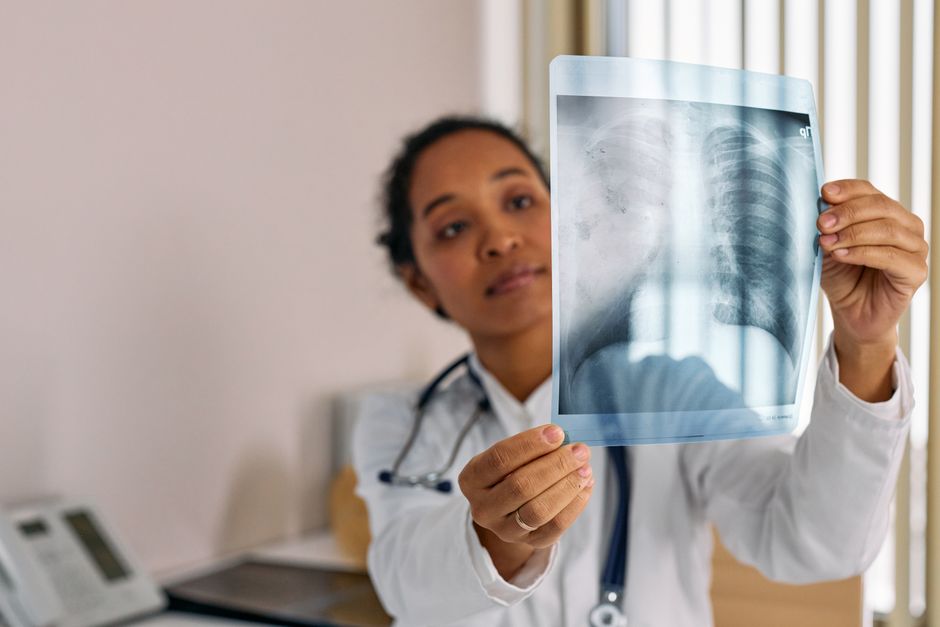
Medical staff assess severity mainly through oxygen levels. A simple test called pulse oximetry measures the oxygen saturation in your blood. A chest X-ray also helps show how much of the lungs are affected.
How To Treat PCP Pneumonia: The Main Treatment Options
The standard first-line treatment for PCP is an antibiotic called trimethoprim-sulfamethoxazole, often abbreviated as TMP-SMX. It is also known by the brand name Bactrim. This medication is given either orally in pill form or intravenously in the hospital. Most people with confirmed PCP are treated in the hospital initially.
Treatment usually lasts about 21 days. This is a long course because the infection is stubborn and can return if treatment stops too early.
For people who cannot tolerate TMP-SMX, there are alternatives. These include:
- Pentamidine, given intravenously or inhaled
- Atovaquone, an oral medication
- Clindamycin combined with primaquine
- Dapsone, usually combined with another medication
These alternatives are generally effective but may have different side effects. The choice depends on the severity of the illness, allergies, and other health conditions.
In moderate to severe cases, doctors add corticosteroids. Prednisone is the most common. Steroids reduce lung inflammation. This inflammation is actually part of the immune response to the fungus, and it can make breathing worse even as the infection clears. Steroids have been shown to reduce the risk of death in severe PCP cases, especially in people with HIV.


When Is Hospitalization Necessary?
Not everyone with PCP needs to be admitted to the hospital. People with mild symptoms and normal or near-normal oxygen levels can sometimes be treated at home with oral medication. This requires close follow-up with a doctor.
Hospitalization is generally required when oxygen levels drop below normal. It is also needed if the person has trouble breathing, a high fever, or other medical conditions that complicate care. Anyone who is already frail or has significant immune suppression is usually admitted.
In the hospital, treatments may include intravenous antibiotics, supplemental oxygen, and close monitoring. If breathing becomes too difficult, a machine may support breathing until the lungs recover.
Do not try to manage this at home without a firm diagnosis. PCP is not something to treat with home remedies or over-the-counter medications. The infection is aggressive and the treatment requires prescription drugs.
How Is PCP Diagnosed Before Treatment Starts?
A doctor cannot diagnose PCP by symptoms alone. Other infections like bacterial pneumonia or viral pneumonia look similar. A specific test is needed.
The most reliable method is examining fluid from the lungs. This is done through a procedure called bronchoscopy. A thin, flexible tube is passed through the mouth or nose into the airways. A small amount of fluid is introduced and then collected. This fluid is examined under a microscope for the fungus.
A simpler test involves coughing up sputum. However, this is less sensitive. It can miss the infection in some people.
PCR tests, which detect the fungus’s genetic material, are also used. They are highly sensitive but can sometimes detect the fungus in people who are not actually sick with PCP. The doctor interprets the test result alongside symptoms and imaging.
What To Expect During Recovery
Recovery takes time. Even with the right treatment, symptoms do not disappear overnight. It is common to feel worse for the first few days before improving. This is partly due to the inflammatory response as the immune system fights the fungus.
Most people notice improvement within four to seven days of starting treatment. Cough and fatigue can linger for weeks. Oxygen levels may take time to return to normal.
Follow-up care is essential. A repeat chest X-ray may be done to confirm the infection is clearing. Blood tests check for medication side effects. TMP-SMX can affect kidney function and blood cell counts, so monitoring is important.
Preventing PCP Is Easier Than Treating It
Prevention is a major part of managing PCP risk. People with HIV are given preventive antibiotics when their CD4 count drops below 200 cells per cubic millimeter. This is a well-established threshold in clinical guidelines.
Preventive treatment is also given to organ transplant recipients and people on certain immunosuppressive medications. The same drug, TMP-SMX, is used for prevention. It is highly effective when taken consistently.
For people with HIV, the best long-term prevention is antiretroviral therapy. When the immune system recovers and CD4 counts rise above the threshold for a sustained period, preventive antibiotics can often be stopped.
Anyone who has had PCP once is at high risk of getting it again. Preventive medication is usually continued for life unless the immune system recovers substantially.
What Happens If PCP Is Left Untreated?
Untreated PCP is dangerous. The infection spreads through the lungs. Oxygen levels drop progressively. Breathing becomes increasingly labored.
Respiratory failure is the most serious complication. The lungs become so filled with fluid and debris that gas exchange nearly stops. This requires intensive care and mechanical ventilation.
Even with treatment, severe PCP carries a significant mortality risk. The risk is higher in people who delay seeking care or who have other serious medical conditions. This is why early diagnosis and treatment are emphasized so strongly.
Can PCP Be Mistaken For Other Conditions?
Yes. The early symptoms of PCP — dry cough, fever, and fatigue — overlap with many other respiratory infections. Bacterial pneumonia, viral pneumonia, and even tuberculosis can look similar on initial examination.
Doctors rely on risk factors to guide testing. If a patient has HIV, a transplant history, or is on immunosuppressive drugs, PCP moves to the top of the list. In someone with a normal immune system, PCP is very unlikely and other causes are explored first.
This diagnostic uncertainty is why you should not self-diagnose. If you have a persistent cough and fever and you know your immune system is weakened, tell your doctor. The specific test matters because the treatment is different from that of bacterial pneumonia.
Frequently Asked Questions
How long does PCP pneumonia treatment last?
Standard treatment lasts 21 days. Severe cases may require intravenous therapy in the hospital for part of that time.
Is PCP pneumonia curable?
Yes, PCP is curable with prompt and appropriate antibiotic treatment. Recovery is more likely when treatment starts early and the patient is otherwise stable.
Can you get PCP pneumonia if your immune system is normal?
It is extremely rare. PCP occurs almost exclusively in people with significantly weakened immune systems, such as those with advanced HIV or organ transplants.
Is PCP pneumonia contagious to healthy people?
Healthy people are not considered at risk of developing PCP disease. The fungus is common in the environment and most people have already been exposed without illness.
