
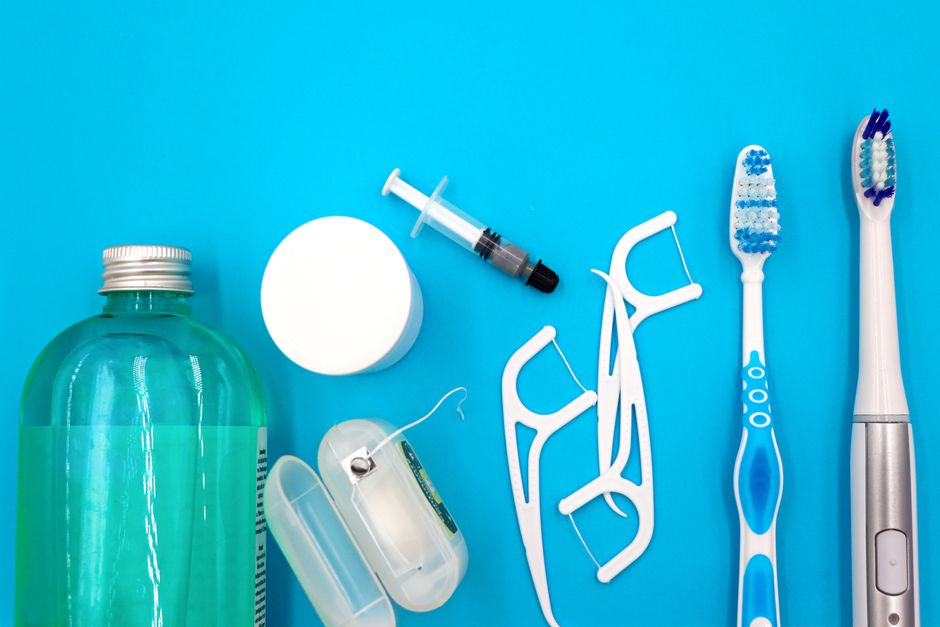
Chlorhexidine mouthwash is a prescription-strength antiseptic rinse used to control bacteria in your mouth. To use it correctly, you must brush and floss first, rinse with the exact measured dose for 30 seconds, and then spit it out without eating or drinking for at least 30 minutes. This timing is not optional — it is what makes the treatment work.
What Is Chlorhexidine Mouthwash and Who Needs It?
Chlorhexidine gluconate is a powerful antibacterial agent. It is not the same as over-the-counter mouthwash. You need a prescription from a dentist or doctor to get it.
Dentists prescribe it for specific conditions. These include gum disease (gingivitis and periodontitis), after oral surgery, or for people with dry mouth who get frequent cavities. The CDC reports that nearly half of US adults over 30 have some form of periodontal disease. For these patients, chlorhexidine can be part of a treatment plan.
Some people use it before dental procedures to reduce bacteria in the mouth. Others use it short-term after a tooth extraction or implant placement. It is not meant for daily long-term use like regular mouthwash.
How To Use Chlorhexidine Mouthwash Correctly Step by Step
Start with clean teeth. Brush and floss thoroughly. Then wait a few minutes. Some toothpaste ingredients can interfere with chlorhexidine, so a short gap helps.
Measure the dose carefully. Most brands recommend 15 mL — that is about one tablespoon. Do not guess. Use the dosing cup that comes with the bottle or a marked medicine cup.
Pour the liquid into your mouth. Swish it around for exactly 30 seconds. Do not gargle. Do not swallow. The American Dental Association states that 30 seconds is the minimum contact time needed for the medication to bind to oral tissues.
Spit it out into a sink. Do not rinse your mouth with water afterward. Do not eat or drink anything for at least 30 minutes. This waiting period lets the chlorhexidine keep working on your teeth and gums.
Use it twice a day, usually after brushing in the morning and before bed. Follow your dentist’s specific instructions on how long to use it — typically 2 to 4 weeks.
What Does Research on Chlorhexidine Mouthwash Show?
Research published in the Journal of Clinical Periodontology found that chlorhexidine reduces plaque buildup by 45 to 61 percent compared to placebo. It also reduces gum inflammation significantly.
The mechanism is straightforward. Chlorhexidine has a positive charge that binds to negatively charged surfaces in your mouth — teeth, gums, and mucous membranes. It stays active for several hours after rinsing. This sustained release is why timing matters so much.
Some studies suggest that 0.12 percent chlorhexidine is as effective as 0.2 percent for most people. Higher concentrations do not always mean better results. They can increase side effects without adding benefit.
Evidence is strong that chlorhexidine works for short-term bacterial control. But it does not cure gum disease on its own. It is a tool, not a treatment. Professional cleaning and good home care are still necessary.





What Are the Side Effects of Chlorhexidine Mouthwash?
Side effects are real and common. The most frequent one is staining. Chlorhexidine can turn your teeth, tongue, and dental restorations brown or yellow. This staining is not permanent on natural teeth — it can be removed by a dental cleaning. But it can be stubborn on composite fillings and crowns.
Another side effect is altered taste. Some people report a metallic or bitter taste that lasts for hours after rinsing. This usually goes away after you stop using the mouthwash.
Less common but more serious side effects include oral irritation, swelling, and peeling of the mouth lining. If this happens, stop using it and call your dentist.
A 2020 review in the Journal of Dental Research noted that long-term use — beyond 12 weeks — may alter the balance of oral bacteria. It can kill helpful bacteria along with harmful ones. This is why dentists prescribe it for short courses only.
Do not use chlorhexidine if you have open sores in your mouth or if you are allergic to any of its ingredients. Tell your dentist about any other medications you take, especially other mouth rinses or oral care products.
How Is Chlorhexidine Different From Regular Mouthwash?
Regular mouthwash is cosmetic. It freshens breath temporarily. It may contain alcohol, fluoride, or essential oils. But it does not kill bacteria the same way chlorhexidine does.
Chlorhexidine is a prescription medication. It is classified as a bisbiguanide antiseptic. It kills bacteria on contact and continues working for hours. Regular mouthwash has no sustained effect.
Here is a quick comparison:
| Feature | Chlorhexidine | Regular Mouthwash |
|---|---|---|
| Prescription needed | Yes | No |
| Kills bacteria | Yes, strongly | Minimally |
| Sustained effect | Up to 12 hours | Minutes |
| Stains teeth | Common | Rare |
| Safe for daily use | Short-term only | Yes |
Do not substitute one for the other. They serve different purposes. Using chlorhexidine like regular mouthwash — swishing for 10 seconds and rinsing with water — will not give you the results you need.
Common Mistakes People Make With Chlorhexidine
The biggest mistake is using it right after brushing without waiting. Toothpaste contains sodium lauryl sulfate, which can reduce how well chlorhexidine binds to your teeth. Wait at least 5 to 10 minutes after brushing before rinsing.
Another mistake is diluting the mouthwash. Some people add water to make it less strong. This lowers the concentration and reduces effectiveness. Use it exactly as measured.
Some people rinse with water or mouthwash immediately after spitting out chlorhexidine. This washes away the active ingredient before it has time to work. Do not rinse, eat, or drink for at least 30 minutes.
Using it longer than prescribed is also common. People see improvement and keep using it. But prolonged use increases staining and bacterial resistance. Follow your dentist’s timeline.
Some people skip brushing and rely only on chlorhexidine. This is a mistake. Chlorhexidine cannot remove plaque that is already formed. It only prevents new bacteria from sticking. Brushing and flossing remain essential.
Frequently Asked Questions
Can I swallow chlorhexidine mouthwash?
No. Chlorhexidine is not meant to be swallowed. If you accidentally swallow a small amount, it is usually not harmful, but contact a poison control center if you swallow a large amount.
How long does chlorhexidine mouthwash take to work?
You may notice less gum bleeding and inflammation within a few days. Full effects on plaque and bacteria are usually seen after 2 to 4 weeks of consistent use.
Can I use chlorhexidine mouthwash while pregnant?
Some studies suggest it is safe during pregnancy, but you should always check with your doctor or dentist first. They can weigh the benefits against any potential risks for your specific situation.
