
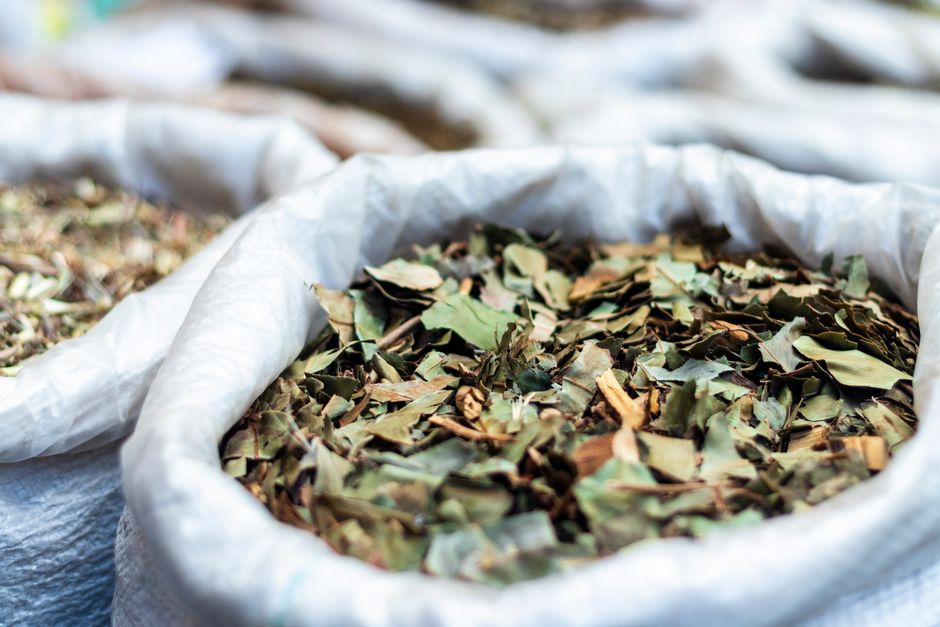
Neem tea is made by steeping neem leaves — fresh or dried — or neem powder in hot water for 5 to 10 minutes. Fresh leaves give a milder, grassier brew, while dried leaves and powder create a stronger, more bitter cup. The method is simple: heat water to just below boiling, add your neem, steep, strain, and drink. What changes between the three forms is how much you use and how long you let it steep.
What Is Neem Tea and Why Do People Drink It?
Neem comes from the neem tree (Azadirachta indica), native to India and other parts of South Asia. Every part of the tree has been used in traditional medicine for thousands of years — bark, twigs, seeds, flowers, and especially the leaves.
People drink neem tea for a range of reasons. Some use it as a daily digestive aid. Others take it for skin complaints like acne or eczema. Traditional Ayurvedic practice uses neem as a blood purifier and a support for the immune system.
The leaves contain compounds called limonoids, including azadirachtin and nimbin. These are thought to have antioxidant, anti-inflammatory, and antimicrobial properties. Laboratory studies have shown that neem leaf extracts can fight certain bacteria and fungi. But human clinical research on neem tea specifically is very limited.
How To Make Neem Tea From Fresh Leaves
Fresh neem leaves are the gentlest starting point. They taste less bitter than dried forms and are easier to find if you live somewhere with a warm climate or have access to an Indian grocery store.
Here is the basic method:
- Pick about 10 to 15 fresh neem leaves. Rinse them thoroughly under running water.
- Bring 2 cups of water to a boil, then remove it from heat.
- Add the leaves to the hot water and cover the pot.
- Steep for 5 to 7 minutes. Longer steeping means more bitterness.
- Strain the leaves out and drink warm.
You can chew the leaves instead of steeping them, which is common in some regions. But for tea, the steeped method is more palatable and easier to control.
Fresh leaves bruise easily. Gently crushing them between your fingers before adding to water releases more of the active compounds. The color of the tea will be a pale yellow-green.
How To Make Neem Tea From Dried Leaves
Dried neem leaves are more concentrated than fresh. They have lost their water weight, so the active compounds are packed more tightly. This means you need fewer leaves and the resulting tea will be more bitter.
Method for dried leaves:
- Use 1 to 2 teaspoons of dried neem leaves per cup of water.
- Heat water to just below boiling — around 200°F or 93°C.
- Pour the water over the dried leaves in a cup or teapot.
- Cover and steep for 5 minutes. Dried leaves release bitterness faster than fresh.
- Strain and drink.
Dried leaves are available online and in specialty stores. If you have access to a fresh neem tree, you can dry the leaves yourself. Spread them on a clean tray in a dry, shaded, well-ventilated area for several days until they crumble between your fingers. Store them in an airtight jar away from light.
Dried leaves keep their potency for about 6 to 12 months when stored properly. After that, the tea will taste weaker.




How To Make Neem Tea From Powder
Neem powder is the most concentrated form. It is simply ground dried leaves, but because the surface area is much larger, the water extracts compounds very quickly. Powdered neem is also the easiest to get wrong — too much powder makes tea that is almost undrinkably bitter.
Method for powder:
- Use ¼ to ½ teaspoon of neem powder per cup of water. Start with less.
- Bring water to a boil, then let it cool for a minute.
- Stir the powder into the hot water.
- Steep for 3 to 5 minutes.
- Strain through a fine mesh strainer or cheesecloth. Powder does not fully dissolve.
Some people stir the powder directly into warm water without straining. The tea will look cloudy and have a slightly gritty texture. Straining removes that grittiness but also removes some of the fine particles that carry the bitter flavor.
A common mistake is using a heaping teaspoon of powder. That produces a tea so bitter most people cannot finish it. Start small and adjust based on your tolerance.
How To Make Neem Tea Taste Better
Neem tea is bitter. There is no way around that. The bitterness comes from the limonoids, which are the same compounds thought to provide health benefits. Masking the bitterness entirely usually requires removing or overwhelming those compounds.
That said, there are ways to make it more drinkable without destroying the active ingredients:
- Add honey or another natural sweetener after brewing. Honey pairs well with neem’s earthiness.
- Add a slice of lemon or a splash of lemon juice. Acidity balances bitterness.
- Brew with a slice of fresh ginger or a cinnamon stick.
- Add a mint leaf during steeping.
- Drink it cold over ice. Cold temperatures dull bitterness perception.
Do not add milk. Some compounds in neem are fat-soluble, and while milk might soften the flavor, it also changes how the tea is absorbed. There is no research showing this is harmful, but traditional preparations do not use dairy.
How Much Neem Tea Should You Drink?
There are no established clinical guidelines for neem tea consumption. No official body has set a safe daily dose. This is an important point because neem is not a harmless herb for everyone.
Traditional use in India typically involves one cup per day, often taken in short courses of a few weeks rather than continuously. Some traditional preparations use neem for 7 to 14 days, then pause.
What research exists on neem safety comes mostly from animal studies and traditional use reports. Those studies have used concentrated extracts, not tea. The concentration of active compounds in a cup of tea is lower and more variable.
If you choose to drink neem tea, starting with one cup and observing how your body responds is the most cautious approach. Stop if you experience nausea, vomiting, or stomach upset — these are the most commonly reported side effects.
Who Should Avoid Neem Tea
Neem is not safe for everyone. There are specific groups who should not consume it in any form.
Pregnant women should avoid neem entirely. Animal studies have shown that certain neem compounds can affect fertility and pregnancy outcomes. Traditional medicine has used neem as a contraceptive and abortifacient. The risk is real enough that no responsible source recommends neem during pregnancy.
Women trying to conceive should also avoid neem. Some research suggests neem compounds can interfere with implantation.
Children should not be given neem tea. Serious adverse events, including toxic encephalopathy, have been reported in infants given neem oil. While tea is different from oil, there is no safety data for children.
People with kidney or liver disease should be cautious. Neem compounds are processed by these organs, and no studies have examined safety in people with organ dysfunction.
People on medication should talk to a doctor. Neem can interact with drugs processed by the liver, particularly those using the CYP450 enzyme system. This includes many common medications like statins, blood thinners, and some antidepressants.
What Does the Evidence Actually Say About Neem Tea Benefits?
Most of what is claimed about neem tea comes from traditional use and laboratory research. The distinction matters.
Laboratory studies have found that neem leaf extracts have antioxidant activity, can inhibit the growth of certain bacteria and fungi, and show anti-inflammatory effects in cell models. These findings are real and reproducible in lab conditions.
But a cell in a dish is not a human body. The concentration of a compound that kills bacteria in a petri dish is often far higher than what reaches your bloodstream after drinking tea. Digestion, absorption, and metabolism all change what the body actually receives.
Clinical trials on neem tea in humans are scarce. Some small studies have looked at neem for dental plaque, for malaria, and for diabetes, but results are preliminary. No large, well-controlled human trials have confirmed that drinking neem tea produces any specific health outcome.
This does not mean the tea is useless. Traditional medicine systems have used neem for centuries, and the plant clearly contains biologically active compounds. It means the honest position is: we do not yet know what neem tea reliably does in the human body.
Marketing that promises neem tea will “cleanse your blood” or “cure skin conditions” is not supported by clinical evidence. Those claims should be treated as marketing, not medicine.
Fresh vs. Dried vs. Powder — Which Is Best?
The best form depends on what you value.
Fresh leaves are best for flavor. They taste the mildest and most pleasant. They are also the most variable — the potency depends on the tree, the season, and the age of the leaves.
Dried leaves are the best middle ground. They are more consistent than fresh and easier to store. The flavor is stronger but still manageable.
Powder is the most potent and the most convenient. It is also the easiest to overdose on bitterness. Powder is best for people who want maximum concentration and do not mind the taste.
If you are new to neem tea, start with fresh or dried leaves. Powder can be added later once you know how your body tolerates the tea.
Potential Side Effects and Drug Interactions
Neem tea can cause side effects even at normal consumption levels. The most common are gastrointestinal — nausea, stomach cramping, and diarrhea. These are more likely with stronger brews or larger amounts.
Some people experience a mild allergic reaction. If you develop a rash, itching, or swelling after drinking neem tea, stop and seek medical advice.
Drug interactions are a genuine concern. Neem affects liver enzymes that metabolize many medications. If you take prescription drugs, particularly for blood pressure, diabetes, or cholesterol, talk to your doctor before adding neem tea to your routine.
The evidence for neem’s effects on blood sugar and blood pressure comes from animal studies and small human trials. These effects may be beneficial in some contexts but dangerous if you are already taking medication for those conditions. Combining neem tea with diabetes medication could theoretically cause blood sugar to drop too low.
Frequently Asked Questions
Can you drink neem tea every day?
Traditional use suggests short courses of a few weeks rather than daily long-term use. No clinical studies have established the safety of daily consumption over months or years.
How long should you steep neem tea?
Steep fresh leaves for 5 to 7 minutes, dried leaves for 5 minutes, and powder for 3 to 5 minutes. Longer steeping extracts more bitterness and more active compounds.
Is neem tea safe during pregnancy?
No. Neem should be avoided entirely during pregnancy because animal studies show compounds in neem can affect fertility and pregnancy outcomes.
Does neem tea help with skin problems?
Some laboratory research shows neem extracts have anti-inflammatory and antimicrobial properties relevant to skin health. No large human trials have confirmed that drinking neem tea specifically improves acne, eczema, or other skin conditions.
