
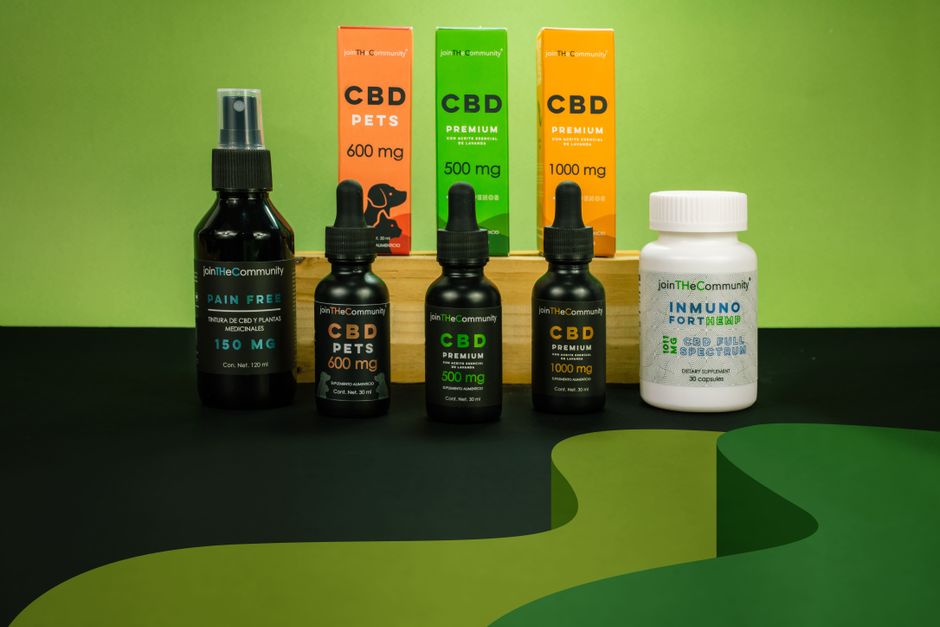
Cannabis oil for pain is not a single product with a single dose. What people call “cannabis oil” ranges from CBD-only products with no THC to full-spectrum oils that contain both compounds, and from legal over-the-counter items to prescription medicines. That range is exactly why dosing is not straightforward. There is no universal dose, and no official guideline tells you how much to take for pain. What exists is a body of clinical trial evidence for specific prescription products, general safety principles, and a lot of marketing. This article separates those.
What Is Actually In Cannabis Oil?
The word “cannabis oil” describes several different things, and the differences matter for both effects and safety.
CBD oil contains cannabidiol, usually extracted from hemp. Hemp-derived CBD in the US is legally required to contain no more than 0.3% THC by dry weight. In practice, that means most CBD oils have little to no psychoactive THC.
Full-spectrum oil contains CBD plus small amounts of THC and other plant compounds. The idea that these compounds work better together is called the “entourage effect.” It is a plausible hypothesis, but it has not been confirmed in large human trials. Treat claims about it as unproven.
Prescription cannabis medicines are pharmaceutical products with standardized, verified content. These are the only cannabis-derived products with substantial clinical trial evidence for pain, and they are regulated as medicines, not supplements.
One point that gets lost: in the US, CBD products sold outside dispensaries are not reviewed by the FDA for safety or accuracy before sale. Research has repeatedly found that labeled CBD content does not always match actual content, and some products contain THC when the label says otherwise. That is a real problem for anyone who might be drug tested or who wants to avoid THC.
How To Use Cannabis Oil For Pain Dosing And Methods
Start low, go slow, and keep a record. That principle is the closest thing to a consensus in this area, and it comes from how the body handles these compounds rather than from a formal dosing guideline.
Here is the practical approach many clinicians and patients use, described as general practice rather than established protocol:
- Start with a very small amount of a product with known content. For CBD, some clinicians suggest starting in the range of a few milligrams per dose, though no official guideline sets a starting dose for pain.
- Wait before increasing. Oral cannabis products can take one to three hours to reach peak effect. Taking more because “nothing happened” after 30 minutes is a common way people overshoot.
- Increase gradually over days, not hours, until you find the smallest amount that helps. Stop if side effects appear.
- Keep a simple log of dose, time, product, and effect. Without a record, it is very hard to know what is working.
Methods of use differ in speed and duration:
- Oral oils and tinctures (swallowed or held under the tongue) are the most common. Effects are slower to arrive but last longer.
- Sublingual (under the tongue) absorption is somewhat faster than swallowing, though how much actually absorbs this way varies between people.
- Topical products applied to the skin are unlikely to produce systemic effects, and evidence for them in pain is limited.
- Inhaled forms act within minutes but are a different category from oils and carry respiratory risks.
No clinical guidelines currently exist for dosing cannabis oil in children, pregnant women, or breastfeeding women. These groups should not use these products without direct medical supervision.
What Does The Evidence Say About Cannabis For Pain?
The strongest evidence is for prescription cannabinoid medicines in specific types of pain, and it is not as broad as marketing suggests.
Reviews of clinical trials have found moderate evidence that cannabinoids can reduce chronic neuropathic pain — pain from nerve damage, which occurs in conditions like diabetic neuropathy or after shingles. For multiple sclerosis-related spasticity and pain, a prescription oral cannabis extract has been studied in trials and is used in some countries.
For other types of pain, the picture is weaker. Evidence for cannabinoids in fibromyalgia, chronic non-cancer pain generally, and acute pain is mixed or limited. Reviews have generally found that effects, where present, are modest, and that side effects are common enough to matter.
For CBD specifically, the honest position is this: most of the strong clinical trial evidence for CBD is in epilepsy, not pain. Much of the pain research has involved THC-containing products or combined extracts. Evidence that CBD alone relieves chronic pain in humans is limited. Some studies suggest possible benefit, but large, well-controlled trials are lacking.
That gap between what is proven and what is sold is worth sitting with. A product being widely used for pain does not mean it has been shown to work for pain.





What Are The Risks And Side Effects?
Cannabis products are not risk-free, and the risks differ by product.
Common side effects of cannabinoids include drowsiness, dizziness, dry mouth, and changes in appetite. THC can cause anxiety, impaired coordination, and impaired memory, especially at higher doses. These effects matter for driving and for operating machinery.
Interactions with other medicines are a real concern. CBD can affect how the body processes certain drugs, including some epilepsy medicines and blood thinners, which can raise drug levels in the blood. Anyone taking prescription medication should discuss cannabis products with their clinician or pharmacist before starting.
Long-term heavy cannabis use is associated with risks to mental health in some people, particularly those with a personal or family history of psychosis. This is a well-documented association, though the relationship is complex.
Product quality is its own risk. Because over-the-counter CBD is not verified by regulators, contamination and mislabeling are documented problems. Buying from a source that provides independent lab testing reduces, but does not eliminate, this risk.
How Does Cannabis Compare With Standard Pain Treatment?
For most types of pain, established treatments have more evidence behind them than cannabis products do. That is the comparison that matters.
Over-the-counter pain relievers, physical therapy, and prescription medicines for nerve pain have been studied in large trials and have known dosing and safety profiles. Some clinicians recommend cannabis products as an add-on when standard options are not working or are not tolerated, rather than as a first choice.
There is one non-obvious point worth making: the modest effects seen in cannabis pain trials are often similar in size to those seen with some established treatments, but the cannabis evidence base is far smaller and the products far less standardized. That does not make cannabis “just as good.” It means the comparison is harder to make than either side claims.
Legal status also varies by state and country, and it changes. Check your local rules before buying or using any cannabis product.
How Should You Talk To Your Doctor About It?
Be specific about what you are using or considering, including the product, the amount, and how often. Vague mentions of “CBD” do not give a clinician enough to assess interactions or risks.
Ask directly about interactions with your current medicines, and about whether cannabis fits into your pain plan alongside or instead of other options. Bring the product label if you have it. A clinician cannot evaluate what they cannot see.
If you are using a prescription cannabinoid medicine, follow the prescriber’s instructions exactly rather than adjusting on your own. Those products have defined dosing for a reason.
Frequently Asked Questions
How much CBD oil should I take for pain?
There is no official recommended dose of CBD for pain. Some clinicians suggest starting with a few milligrams and increasing gradually while tracking effects, but this is general practice, not an established guideline.
Does cannabis oil actually help with pain?
Prescription cannabinoid medicines have moderate evidence for chronic nerve pain and for multiple sclerosis-related pain and spasticity. Evidence for CBD alone in general chronic pain is limited, and large trials are lacking.
How long does cannabis oil take to work for pain?
Swallowed oils typically take one to three hours to reach peak effect, while sublingual use is somewhat faster. Inhaled forms act within minutes but are a different product category.
Can I take CBD oil with my other medications?
CBD can interact with certain prescription drugs, including some epilepsy medicines and blood thinners, by affecting how the body processes them. Talk to your clinician or pharmacist before combining them.
