
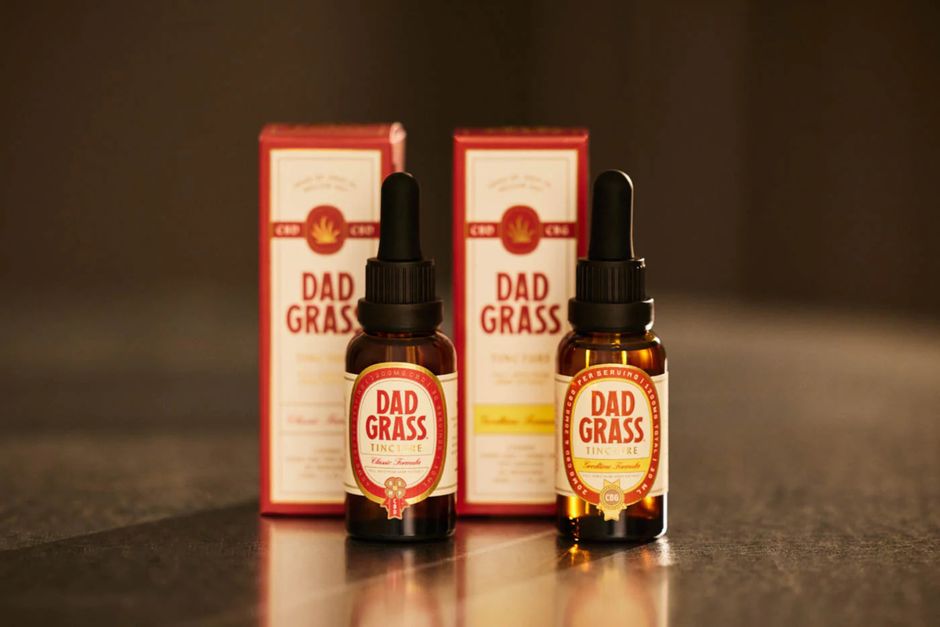
Butter extract is a concentrated flavoring that adds a rich, buttery taste to food without the fat, dairy, or calories of real butter. You use it in small amounts — usually a teaspoon or less — to enhance baked goods, frostings, and savory dishes. It is especially useful for people who are lactose intolerant, vegan, or simply out of butter.
What Is Butter Extract Exactly?
Butter extract is a flavoring made by diluting a butter flavor compound in alcohol or another solvent. The main flavor compound is diacetyl, which naturally occurs in real butter and gives it that distinctive taste and aroma. Some extracts use natural sources, while others are synthetic but chemically identical.
You will find it in the baking aisle near vanilla and almond extracts. It comes in small bottles because a little goes a long way. Unlike butter, it contains no milk solids, no fat, and no protein. That makes it shelf-stable and safe for people with dairy allergies, though you should always check the label for other ingredients.
How To Use Butter Extract In Baking And Cooking
The golden rule is simple: replace the butter flavor with extract, but do not replace the butter itself in a recipe. Butter does more than add flavor in baking. It provides moisture, tenderness, and structure through its fat content. If you swap real butter for extract in a cake recipe, you will get a dry, flat cake that tastes buttery but fails in every other way.
Use butter extract to boost the butter flavor in recipes that already contain some butter. Many bakers add a half teaspoon to their cookie dough, cake batter, or pie crust to intensify the buttery taste. It also works well in recipes that use oil instead of butter, like certain muffins or quick breads, where it adds the flavor you would otherwise miss.
A standard substitution is 1 teaspoon of butter extract for each tablespoon of melted butter when you only care about flavor. This works in icings, glazes, and sauces. In recipes where butter provides structure, keep the butter and add extract as a flavor enhancer.
How Much Butter Extract Should You Use?
Start small. Most recipes call for between ¼ teaspoon and 1 teaspoon. Butter extract is potent, and too much creates an artificial, almost chemical taste that ruins a dish.
If a recipe does not call for it, begin with ¼ teaspoon per batch of cookies or one cake layer. Taste the batter or dough before baking when possible. You can always add more, but you cannot take it out. For frostings and glazes, add a few drops at a time and stir until the flavor reaches the level you want.
There is no official guideline for butter extract amounts because it is not a nutrient or a medicine. The amounts above reflect common culinary practice, not clinical standards. Use your judgment and adjust to your taste.




Baking Applications That Benefit Most
Butter extract shines in recipes where the butter flavor might otherwise get lost. Here are the places it genuinely helps:
- Shortbread and sugar cookies — these rely heavily on butter flavor, and extract makes them taste richer.
- Cake frostings and buttercream — a small amount deepens the flavor without adding extra fat.
- Pancakes and waffles — add it to the batter for a diner-style buttery taste.
- Popcorn — drizzle a few drops over freshly popped corn with salt for a movie-theater flavor.
- Rice and grains — a drop in the cooking water adds richness to plain rice or quinoa.
In savory cooking, use it sparingly. A single drop in mashed potatoes, a cream sauce, or a vegetable sauté can add depth. Too much ruins the dish with a fake flavor that no amount of seasoning can fix.
Butter Extract vs. Butter Flavoring vs. Butter Powder
These products are not the same, and confusing them causes baking failures.
Butter extract is alcohol-based and liquid. It provides flavor only. It does not add moisture or fat.
Butter flavoring is a broader term. It may be oil-based, water-based, or a blend. Oil-based flavorings work well in chocolate and candy making because they do not seize or separate. Water-based flavorings behave more like extracts.
Butter powder is dehydrated butter with milk solids and some fat. It adds flavor plus a small amount of body. You can mix it with water to make a quick butter substitute in a pinch, though the texture will not match real butter.
For most home baking, butter extract is the most versatile choice. It dissolves easily into batters and liquids and does not alter texture.
Can You Substitute Butter Extract for Vanilla Extract?
No. They are not interchangeable. Vanilla provides a sweet, floral note that supports chocolate, fruit, and spice flavors. Butter extract provides richness without sweetness.
You can use them together. Many bakers add both to the same recipe — a teaspoon of vanilla and a half teaspoon of butter extract — to create a more complex flavor profile. This works especially well in chocolate chip cookies, brownies, and pound cakes.
If you are out of vanilla, do not replace it with butter extract. Use another complementary flavor like almond extract at half the amount, or simply omit the vanilla and add a pinch of salt to brighten the other flavors.
Common Mistakes and How To Avoid Them
The most common mistake is using too much. Because the flavor is concentrated, beginners often pour generously and end up with an artificial taste. Measure carefully and add less than you think you need.
The second mistake is using butter extract to replace butter in a recipe. As noted earlier, this ruins the texture. Butter extract is a flavor tool, not a fat substitute.
The third mistake is adding it too early in high-heat cooking. The alcohol in the extract evaporates quickly, which is fine in baking. But if you add it to a very hot pan, the flavor can dissipate before it reaches your food. Add it near the end of cooking for best results.
Storage and Shelf Life
Butter extract lasts a long time because alcohol acts as a preservative. An unopened bottle can stay good for years. Once opened, keep it in a cool, dark place with the cap tightly sealed.
You do not need to refrigerate it. Exposure to heat and light degrades the flavor over time, so keep it away from the stove and out of direct sunlight. If the extract smells off, changes color, or develops sediment, replace it.
Check the label for a best-by date, but know that these dates are conservative. Properly stored extract remains safe to use well beyond the printed date, though flavor strength may fade gradually.
Is Butter Extract Healthy?
Butter extract is essentially flavor with negligible nutritional value. A teaspoon contains almost no calories, fat, or carbohydrates. That makes it attractive for people watching their weight or managing conditions like high cholesterol.
There is a caveat. The diacetyl in butter extract has been studied for its effects on the lungs when inhaled in large amounts. This concern comes from workers in microwave popcorn factories who inhaled diacetyl dust over long periods. Normal culinary use — adding a teaspoon to batter — does not pose a known risk.
If you are concerned, use it in well-ventilated areas and do not inhale the bottle directly. No clinical evidence suggests that eating butter extract in normal food amounts is harmful. But the research on long-term dietary exposure is limited, so moderation is reasonable.
Frequently Asked Questions
Can I use butter extract instead of butter in a cake recipe?
No. Butter provides fat, moisture, and structure that extract cannot replace. Keep the butter in the recipe and add extract only for extra flavor.
How much butter extract equals one stick of butter?
No amount of extract can replace a stick of butter because they serve different purposes. For flavor only, about 2 teaspoons of extract approximates the butter taste of one stick, but the recipe will lack the necessary fat.
Is butter extract safe for people with dairy allergies?
Most butter extracts are dairy-free because they are made from flavor compounds and alcohol. Always read the label to confirm, as some brands may add milk derivatives.
Can I use butter extract in coffee or tea?
Yes, a drop or two can add a buttery note to hot beverages. Start with one drop and taste before adding more, as the flavor is strong.
