
Gray hair is a normal part of aging for most people, and no home remedy has been shown to reverse it once a hair follicle stops producing pigment. Amla powder — ground dried Indian gooseberry — is used in traditional hair care and can be mixed into a paste with water and applied to the scalp and hair, but the evidence that it restores natural hair color is very limited. If you want to try it, the safest approach is a simple paste applied to damp hair, left on for a short time, and rinsed out, while keeping your expectations realistic.
What Is Amla Powder and Why Is It Used on Hair?
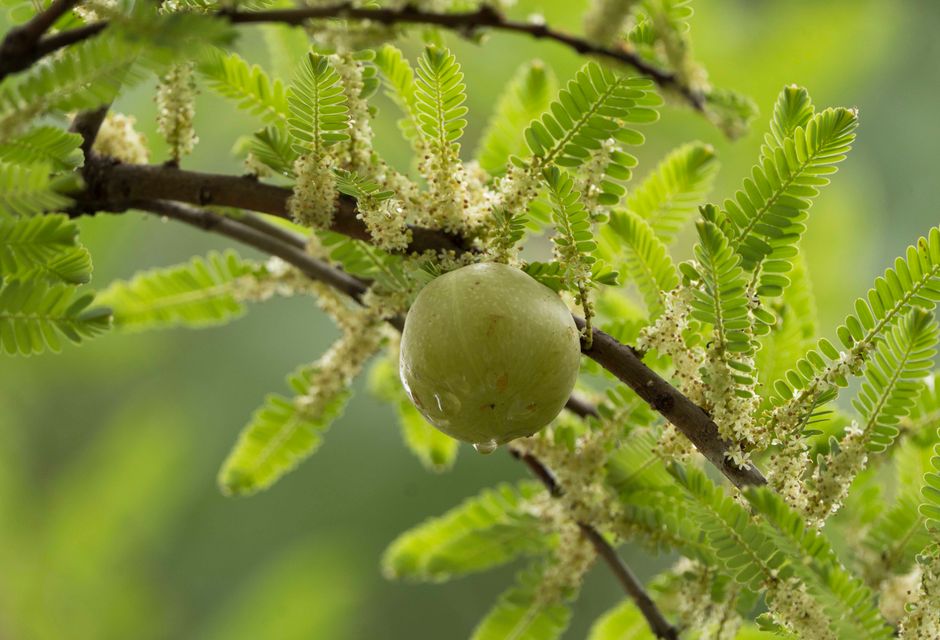
Amla is the fruit of the Indian gooseberry tree. The dried fruit is ground into a fine, tart powder that has been used in South Asian hair care for generations. It is rich in vitamin C and plant compounds called tannins.
In traditional use, amla is mixed with water or oil and worked into the scalp and hair. People use it for shine, scalp conditioning, and to reduce breakage. Some also use it hoping to slow graying or bring back color.
It helps to separate two very different claims. The conditioning and cosmetic effects are plausible and widely reported. The idea that amla restores pigment to gray hair is a much bigger claim, and it is not supported by strong human research.
How To Use Amla Powder For White Hair At Home
The most common method is a simple paste. Mix two to three tablespoons of amla powder with enough warm water to form a smooth, yogurt-like consistency. You can add a spoon of coconut or olive oil if your hair is dry.
Apply the paste to damp hair, starting at the scalp and working toward the ends. Cover with a shower cap and leave it on for about 20 to 30 minutes. Rinse thoroughly with warm water, then wash with a mild shampoo. Because amla is acidic and can leave a residue, a good rinse matters.
Some people add other ingredients, such as henna, yogurt, or lemon juice. Henna can deposit color, but that color is reddish, not your natural shade, and it is a dye effect — not a return of your own pigment. Lemon juice can irritate the scalp and dry out hair, so it is best avoided on sensitive skin.
If you want to try amla, test it on a small patch of skin first. Rinse out of eyes immediately. Do not leave it on overnight, since long contact can dry out the scalp and hair.
Does Amla Powder Actually Reverse Gray Hair?
No strong evidence shows that amla powder restores natural hair color in people who already have gray hair. The claim is common online, but it rests mostly on traditional use and lab studies, not on controlled human trials.
Here is the biology. Hair color comes from pigment cells called melanocytes inside the hair follicle. These cells produce melanin, which gives hair its color. Over time, melanocytes slow down and eventually stop producing melanin. When that happens, the new hair grows in without pigment — that is gray or white hair.
Once a follicle has stopped making melanin, no topical powder has been shown to restart that process. This is why products that promise to “restore” color are making a claim that current evidence does not support. Amla may support scalp and hair condition, but it does not appear to switch pigment production back on.




What Actually Causes White Hair?
Graying is driven mainly by genetics and age. If your parents grayed early, you likely will too. The timing is largely written into your biology.
Other factors can play a role:
- Age — melanocyte activity declines over time in nearly everyone.
- Genetics — the biggest single influence on when you start to gray.
- Nutrient deficiencies — low vitamin B12, iron, or thyroid problems can be linked to premature graying in some people.
- Smoking — some research links smoking to earlier graying.
- Stress — a small number of studies suggest a link, but the evidence is not strong.
If you are graying much earlier than expected, or graying comes with fatigue, hair loss, or other symptoms, see a doctor. A blood test can check for treatable causes like a vitamin deficiency or a thyroid issue. Correcting a deficiency may help overall health, though it does not reliably bring color back.
Can Any Home Remedy Bring Back Hair Color?
No home remedy has been shown to restore natural pigment to gray hair. This is the honest position, and it applies to amla, onion juice, curry leaves, black seed oil, and the many other remedies shared online.
What some remedies do is coat the hair or deposit color. Henna and certain plant dyes can change the visible color of your hair. That is a dye effect sitting on top of the hair — it is not your follicle producing melanin again. The difference matters if you are expecting your own color to return.
If covering gray is the goal, the options with real evidence are hair dyes and, for some people, prescription treatments that a dermatologist may discuss. Even those are limited. There is no proven way to fully reverse the graying process once it has started.
Is Amla Powder Safe to Use?
Amla is generally well tolerated when used on the hair and scalp, but it is not risk-free for everyone. The most common issues are dryness and irritation, especially if you leave it on too long or use it often.
A few points to keep in mind:
- A patch test on your inner arm can help you check for a reaction before full use.
- Amla is acidic, so it can dry out hair and scalp with repeated use.
- Keep it out of your eyes. Rinse with water right away if it gets in.
- If you have a scalp condition like psoriasis or eczema, ask a doctor before applying powders.
Amla is also sold as a supplement. That is a different situation. Taking amla by mouth is not the same as putting it on your hair, and it has its own considerations, including possible interactions with medications. Talk to a doctor or pharmacist before taking any supplement.
What Results Can You Realistically Expect?
You can reasonably expect amla to act as a conditioning treatment. Many people report softer, shinier hair and a cleaner-feeling scalp after use. These are cosmetic effects, and they are the most honest reason to use it.
You should not expect white hair to turn back to its original color. If you see any darkening, it is more likely from residue, staining, or another ingredient in the mix than from your follicles making pigment again.
Give any routine a few weeks before judging it, and stop if you notice irritation or excessive dryness. If covering gray is your main goal, a hair dye or a conversation with a dermatologist will likely serve you better than a powder.
Frequently Asked Questions
Can amla powder turn white hair black again?
No strong evidence shows that amla powder restores natural color to white hair. Once a follicle stops making melanin, topical powders have not been shown to restart pigment production.
How often should I use amla powder on my hair?
There is no official guideline, but many people use it once a week or every other week. Using it too often can dry out hair and scalp because amla is acidic.
How long should I leave amla powder in my hair?
About 20 to 30 minutes is a common approach. Leaving it on overnight is not recommended because long contact can dry out the scalp and hair.
Is amla powder safe for all hair types?
Amla is generally well tolerated on the hair and scalp, but it can cause dryness or irritation in some people. Do a patch test first, and check with a doctor if you have a scalp condition.
