
Chlorine is a disinfectant, not a hair treatment. Swimming in chlorinated water can leave hair dry, brittle, and rougher in texture, and for some people that shows up as more shedding and breakage over time. The good news is that most chlorine-related hair loss is preventable with a few consistent habits.
The key steps are: rinse your hair with clean water before you get in the pool, wear a snug swim cap, wash with a gentle shampoo right after swimming, and use a leave-in conditioner or hair oil to slow moisture loss. None of these steps are complicated. What matters is doing them every time you swim, not just occasionally.
Does Chlorinated Water Actually Cause Hair Fall?
Yes, but usually indirectly. Chlorine is an oxidizing agent — the same basic chemistry that makes it kill bacteria in pool water also reacts with hair proteins and the natural oils that coat each strand. Over time, that reaction strips the outer protective layer of the hair shaft (the cuticle), leaving it rough, porous, and more prone to breaking.
This is different from hair loss at the root. True root-level hair loss (called telogen effluvium) is usually triggered by stress, illness, hormonal shifts, or nutrient deficiencies — not by chlorine itself. What chlorinated water more commonly produces is breakage: hairs snap off along the shaft rather than falling out from the follicle. To the person brushing their hair, breakage and shedding can look identical.
One nuance worth knowing: chlorinated water can also dry out the scalp, and a dry, irritated scalp is less hospitable to healthy hair growth. So the effect on hair is often twofold — damaged strands plus a compromised scalp environment. Neither is permanent in most cases, but both can accumulate with repeated exposure.
How To Prevent Hair Fall Due To Chlorinated Water?
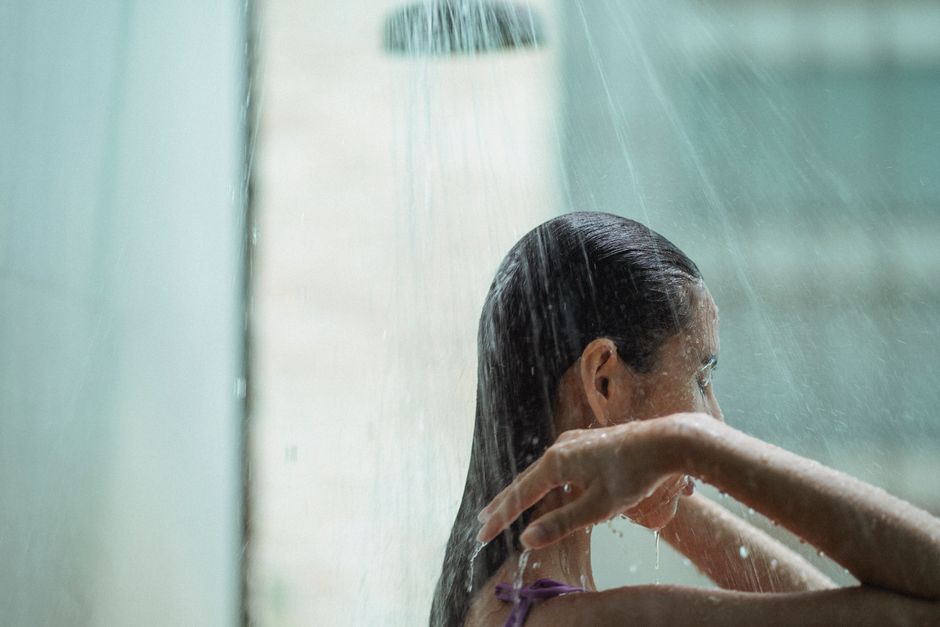
The single most effective habit is to wet your hair with clean, non-chlorinated water before entering the pool. Dry hair acts like a sponge and absorbs whatever liquid it contacts first. If that first liquid is fresh water, your hair has already soaked up what it can hold, leaving less room for chlorine to penetrate the shaft.
From there, the routine that most dermatologists and hair specialists recommend looks like this:
- Pre-rinse thoroughly. Stand under a shower for at least 30 seconds until hair is fully saturated.
- Apply a leave-in conditioner or a light hair oil before swimming. Coconut oil, argan oil, and similar products create a physical barrier that slows water absorption.
- Wear a snug silicone or latex swim cap. It will not keep hair completely dry, but it reduces direct contact with pool water significantly.
- Rinse immediately after leaving the pool. Do not let chlorinated water sit in your hair while you dry off or drive home.
- Wash with a gentle, sulfate-free shampoo and follow with a moisturizing conditioner.
- Deep condition once a week if you swim regularly — three or more times per week.
- Limit heat styling on swimming days. Heat damage compounds chlorine damage.
Consistency matters more than any single product. A swimmer who does all seven steps half the time will likely see more damage than one who does the first four steps every single swim.
Do Swim Caps And Pre-Rinse Really Make A Difference?
They do, though not in the way many people assume. A swim cap does not create a waterproof seal — water gets in around the edges and through the hairline. What it does is reduce the volume of chlorinated water that reaches the bulk of your hair and cut down on mechanical friction against the pool wall and goggles.
The pre-rinse is arguably more important than the cap. Hair is hygroscopic, meaning it absorbs water readily. When hair is already saturated with fresh water, the amount of chlorinated water it can take in is limited. This is a simple physical principle, and it holds up in practice for most swimmers.
Leave-in products work the same way. Oils and silicones coat the cuticle and slow water penetration. They do not stop chlorine entirely, but they reduce how much of it binds to the hair shaft during a typical swim session.




Which Shampoos Help After Swimming?
A gentle, sulfate-free shampoo is the safest default. Sulfates (like sodium lauryl sulfate) are effective cleansers, but they can strip the natural oils your hair needs to recover after chlorine exposure. If your hair is already dry or color-treated, sulfates tend to make things worse.
Some swimmers use a chelating or “swimmer’s” shampoo once or twice a week. These formulas contain ingredients that bind to metals and minerals — including copper, which is sometimes present in pool water — and help remove them from the hair. They are not necessary after every swim, and using them daily can be overly drying.
What about clarifying shampoos? They can help if you notice heavy buildup, but they are stronger than most people need. A standard gentle shampoo followed by a good conditioner handles the job for the average recreational swimmer.
What Else Can Damage Hair In Pool Water?
Chlorine is not the only factor. Pool water chemistry matters. When pool pH drifts outside the recommended range, or when chlorine levels are too high, the water becomes more irritating to both skin and hair. Copper-based algaecides and certain pool sanitizers can also leave trace metals in the water that bind to hair proteins and cause a greenish tint or additional roughness.
Saltwater pools are sometimes marketed as gentler on hair. They are not chlorine-free — saltwater pools generate chlorine through a salt cell. The chlorine level is often lower and more stable, which some swimmers find less irritating. But the water is still chlorinated, and the same protective habits apply.
Ocean water and freshwater lakes have their own considerations, but they are outside the scope of this article. The focus here is chlorinated pools, which are by far the most common source of chlorine-related hair damage for most people.
When Should You See A Doctor About Hair Loss?
If you are losing hair at the root — meaning you see hairs with a small white bulb at the end, or you notice thinning along the part or crown — that pattern is more consistent with a medical cause than with chlorine damage. Chlorine primarily causes breakage, not root shedding.
See a dermatologist if you notice any of the following:
- Sudden or patchy hair loss
- Thinning that continues despite stopping swimming
- Scalp pain, redness, scaling, or itching that does not improve
- Hair loss accompanied by fatigue, weight changes, or other systemic symptoms
Common medical causes of hair loss include thyroid disorders, iron deficiency, androgenetic alopecia, and telogen effluvium triggered by illness or stress. A doctor can usually distinguish these from chlorine-related breakage with a simple exam and, if needed, blood tests. No clinical guidelines recommend treating suspected medical hair loss with swim haircare alone.
Does Chlorine Cause Permanent Hair Loss?
No. Chlorine-related hair damage is not permanent in the vast majority of cases. Hair is a dead structure once it leaves the follicle — it cannot repair itself — but the follicle itself is not destroyed by chlorine. New hair grows in normally unless there is an underlying medical cause.
Damaged hair will eventually be replaced as part of the natural growth cycle. Hair grows roughly half an inch per month on average, though this varies by person. That means visible recovery from significant breakage can take months, not weeks. In the meantime, trimming split ends and reducing heat styling helps prevent further damage while new growth catches up.
The one caveat: if you continue swimming without protective habits, you will keep damaging new growth as it appears. Prevention has to be ongoing, not a one-time fix.
Frequently Asked Questions
Does chlorine in pool water cause hair loss?
Chlorine primarily causes hair breakage and dryness rather than true root-level hair loss. Most shedding people notice after swimming is broken strands, not hair falling out from the follicle.
How do you protect your hair from chlorine in pools?
Wet your hair with fresh water before swimming, apply a leave-in conditioner or oil, and wear a snug swim cap. Rinse and wash with a gentle shampoo immediately after leaving the pool.
Can coconut oil protect hair from chlorine?
Coconut oil can slow how much chlorinated water your hair absorbs by coating the cuticle. It does not block chlorine completely, so it works best combined with a pre-rinse and swim cap.
How long does it take for chlorine-damaged hair to recover?
Because hair grows about half an inch per month on average, visible recovery from significant breakage can take several months. Trimming split ends and avoiding heat styling helps while new hair grows in.
