
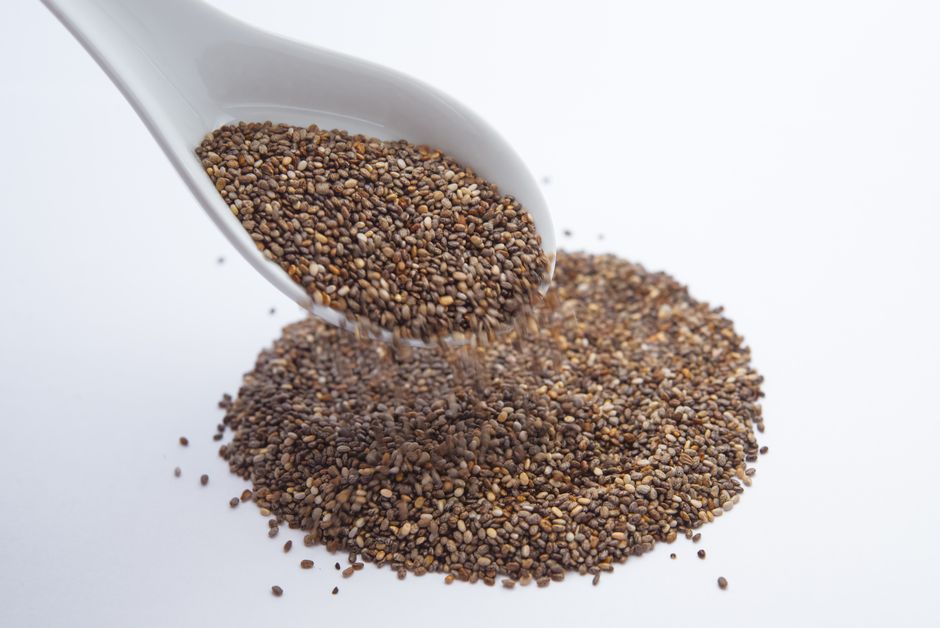
Ajwain seeds are small, pale-brown seeds with a strong thyme-like aroma. They are a common spice in Indian cooking and have been used in traditional medicine for centuries. You can use them in cooking by adding them to hot oil or ghee at the start of a dish, which releases their flavor. For health purposes, the most common uses are for digestive complaints like bloating, gas, and indigestion, typically taken as a tea or chewed after meals. While evidence for some uses is limited, their role in digestion is the most studied and supported benefit.
What Are Ajwain Seeds and What Do They Taste Like?
Ajwain (pronounced aj-wine) comes from the plant Trachyspermum ammi, which is part of the parsley family. The seeds are often confused with caraway or cumin because they look similar, but their flavor is distinct. They taste sharp, bitter, and slightly pungent, with a strong note that resembles thyme crossed with oregano. A tiny pinch goes a long way.
The key active compound in ajwain is thymol. This is the same compound found in thyme, and it is responsible for the seeds’ strong scent and many of their proposed medicinal properties. Thymol is known to have antimicrobial and anti-inflammatory properties in laboratory studies. However, laboratory effects do not always translate to the same effects in the human body, so this information is useful context rather than proof of a cure.
How To Use Ajwain Seeds in Cooking
In cooking, ajwain is used more for its digestive properties than for its flavor alone. It is a common ingredient in Indian flatbreads, savory pastries, and lentil dishes. The seeds are almost always added to hot fat at the beginning of cooking. This step is called “tempering” and it draws out the aromatic oils.
Here are the most common ways to cook with ajwain:
- In ghee or oil: Heat a tablespoon of oil or ghee in a pan. Add half a teaspoon of ajwain seeds. Let them sizzle for about 30 seconds before adding other ingredients. This is the most common method.
- In bread dough: Add a teaspoon of crushed ajwain seeds to the dough for flatbreads like paratha or naan. It adds a savory note and is thought to make heavy breads easier to digest.
- In lentil soups and curries: Add ajwain to the tempering step for dal or vegetable curries. It pairs well with cumin and asafoetida.
- In pickles and chutneys: A small amount of ajwain can add depth to pickling brines and spicy chutneys.
- In roasted vegetables: Toss a pinch of crushed ajwain with potatoes or cauliflower before roasting for a slightly bitter, herbaceous flavor.
A general rule is to use about a quarter to half a teaspoon for a dish that serves four people. Because the flavor is strong, start with less. You can always add more, but you cannot remove it once it is in the dish.
How To Use Ajwain Seeds for Digestion
The most established use of ajwain is for digestive relief. In traditional practice, it is used to treat indigestion, bloating, gas, and stomach cramps. The scientific basis for this is plausible. Thymol and other volatile oils in ajwain are known to stimulate the release of gastric juices, which may help speed up digestion. Some research also suggests that ajwain extracts can relax the smooth muscle of the intestinal tract, which could explain its traditional use for cramps.
The most common way to use ajwain for digestion is as a tea. To make it, crush one teaspoon of ajwain seeds and add them to a cup of boiling water. Let it steep for five to ten minutes, then strain and drink. Some people add a small piece of ginger or a teaspoon of honey to improve the taste, which is quite bitter.
Another common practice is to chew a small pinch of raw ajwain seeds after a heavy meal. This is done in many Indian households. The seeds are strong, so a pinch is enough. Some people also roast the seeds lightly in a dry pan first to make them easier to chew.
It is important to note that while these practices are widespread and have been used for a long time, large clinical trials confirming their effectiveness are limited. The evidence is suggestive, not conclusive. For occasional bloating or gas, this is a low-risk home remedy. If you have chronic or severe digestive symptoms, see a doctor instead of relying on ajwain alone.





What Does the Research Say About Ajwain for Other Health Conditions?
Beyond digestion, ajwain is often promoted for a range of other health issues. These include high blood pressure, high cholesterol, respiratory problems, and even weight loss. It is important to separate what is plausible from what is proven.
Some animal studies and small human studies have looked at ajwain’s effect on blood pressure and cholesterol. The results have been generally positive but preliminary. For example, some research suggests that thymol may help relax blood vessels, which could lower blood pressure. However, these studies are small, and the results have not been consistently replicated in larger human trials.
For respiratory conditions, ajwain is sometimes used in steam inhalation or as a chest rub. The idea is that thymol’s antimicrobial properties could help with congestion or infection. There is no strong clinical evidence that ajwain treats respiratory infections. It may provide temporary relief from congestion simply because the steam helps loosen mucus, but the ajwain itself is not proven to be the active part.
The honest position is this: ajwain is not a proven treatment for any serious medical condition. Its best-supported use remains digestive comfort. If you are considering ajwain for blood pressure, cholesterol, or any other condition, talk to your doctor. Do not replace prescribed medication with ajwain.
Are There Any Side Effects or Risks?
Ajwain is generally safe when used in amounts found in food. The amounts used in cooking are small. Even the tea uses only a teaspoon of seeds, which is still a food-level amount.
However, there are a few important cautions.
Pregnancy: Ajwain has been used traditionally to stimulate menstruation and, in larger amounts, is sometimes discussed in the context of inducing labor. Because of this, pregnant women are often advised to avoid consuming ajwain in medicinal amounts. No clinical guidelines currently exist for this population. The safest approach is to use it only in normal culinary amounts and to avoid the tea or concentrated preparations during pregnancy unless your doctor says otherwise.
Allergies: Ajwain is in the same plant family as carrots, celery, and fennel. If you have a known allergy to these foods, you may also react to ajwain. Stop use if you notice itching, swelling, or any allergic reaction.
Digestive irritation: In some people, ajwain can cause heartburn or acid reflux. The strong oils can irritate the stomach lining. If you experience this, stop using it.
Blood pressure medication: Because thymol may have a mild blood-pressure-lowering effect, there is a theoretical risk that combining large amounts of ajwain with blood pressure medication could cause blood pressure to drop too low. This is theoretical and not well documented, but it is worth mentioning to your doctor if you take these medications and use ajwain regularly.
Ajwain Seeds vs. Caraway vs. Cumin: What Is the Difference?
People often confuse ajwain with caraway or cumin because the seeds look similar. They are not the same, and they are not interchangeable in cooking.
| Spice | Flavor | Best Used In |
|---|---|---|
| Ajwain | Sharp, bitter, thyme-like, pungent | Tempering, flatbreads, lentil dishes |
| Caraway | Warm, slightly sweet, anise-like | Rye bread, sauerkraut, some cheeses |
| Cumin | Earthy, warm, nutty | Curries, chili, roasted vegetables, rice |
If a recipe calls for ajwain and you do not have it, the closest substitute is thyme combined with a pinch of oregano. This will give a similar herbal quality, though it will not have the same pungency. Cumin is not a good substitute because its flavor profile is very different.
How To Store Ajwain Seeds
Ajwain seeds keep well if stored properly. The volatile oils that give them their flavor and potential benefits break down with exposure to air, light, and heat. Store them in an airtight container in a cool, dark place, such as a pantry or spice cabinet. Whole seeds will keep their potency for about one year. Ground ajwain loses its strength faster and is best used within a few months.
To test if your ajwain is still fresh, crush a few seeds between your fingers and smell them. If the aroma is strong and sharp, they are still good. If they smell flat or musty, replace them.
How To Use Ajwain Seeds Cooking Health More?
The practical answer to using ajwain seeds for both cooking and health is to integrate them into your regular meals. Add them to the tempering step of your cooking. Drink the tea occasionally after a heavy meal. Chew a pinch after dinner if you feel bloated. These are simple, low-risk ways to use the spice.
Do not expect ajwain to be a cure for any serious condition. It is a flavorful spice with a long history of use for minor digestive discomfort. The evidence for that use is suggestive but not overwhelming. For everything else, the evidence is limited or absent. Use it as a spice, enjoy the flavor, and let the health benefits be a possible bonus rather than a promise.
Frequently Asked Questions
Can I eat ajwain seeds raw?
Yes, you can chew a small pinch of raw ajwain seeds after a meal. The flavor is strong and bitter, so a tiny amount is enough. This is a traditional practice for aiding digestion.
How much ajwain should I use per day?
There is no established daily dose for ajwain. In cooking, a quarter to half a teaspoon per dish is standard. For the tea, one teaspoon of seeds steeped in boiling water once a day is a common traditional amount.
Is ajwain safe during pregnancy?
No clinical guidelines currently exist for ajwain use during pregnancy. Because it has been used traditionally to stimulate menstruation, pregnant women are generally advised to avoid medicinal amounts and stick to normal culinary use only.
Does ajwain help with weight loss?
No clinical evidence currently confirms that ajwain causes weight loss. Any effect would be indirect, likely related to improved digestion, and is not supported by reliable human studies.
