
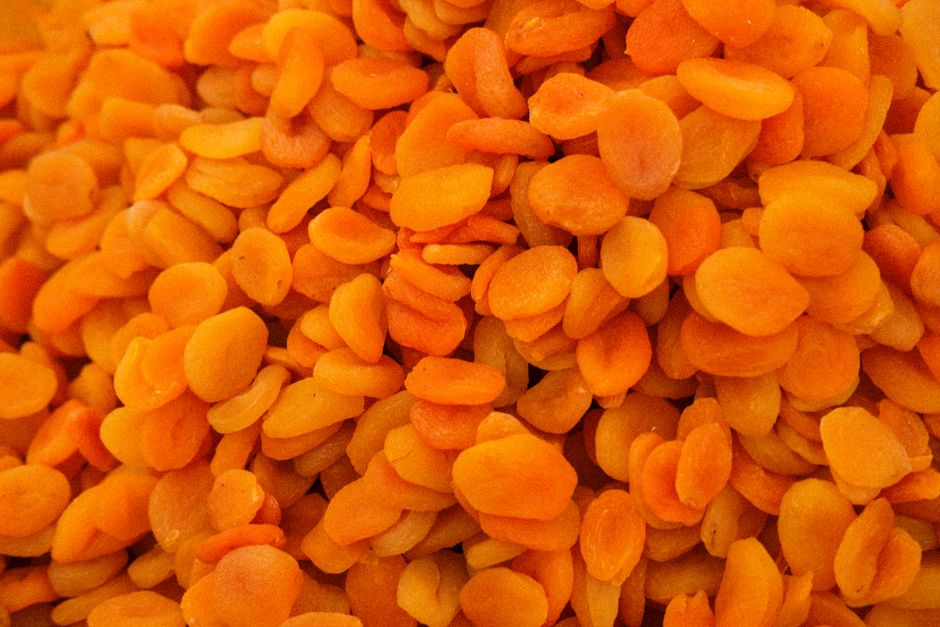
Apricot seeds are not a health food, and the evidence does not support eating them for any health benefit. In fact, they contain a compound that can release cyanide in the body, making them potentially dangerous. The safe, evidence-based answer is that apricot seeds are not good for you and should not be consumed as a supplement or snack.
What Is Inside an Apricot Seed?
An apricot seed is the hard kernel found inside the apricot pit. The pit is the large stone in the center of the fruit, and the seed is the almond-like kernel inside that stone.
This kernel contains a substance called amygdalin. Amygdalin is a cyanogenic glycoside, which means it can break down into hydrogen cyanide when eaten. This is the same chemical process that gives bitter almonds their toxicity. Sweet almonds do not contain significant amounts of this compound, but apricot seeds do.
The human body processes amygdalin through enzymes in the digestive tract. When it breaks down, it releases cyanide, which interferes with the body’s ability to use oxygen at the cellular level. This is not a benign process, and it can be harmful even in small amounts.
Why Do People Eat Apricot Seeds?
The main reason people eat apricot seeds is a belief that they can fight cancer. This idea comes from a compound called laetrile, which is a purified form of amygdalin. Laetrile was promoted as an alternative cancer treatment in the 1970s under the name “Vitamin B17.”
It is not a vitamin. Vitamins are essential nutrients the body needs to function. Amygdalin has no known essential role in human biology. Calling it a vitamin was a marketing strategy, not a scientific finding.
No large human trials have confirmed that laetrile or amygdalin treats cancer. Some research suggests it may have limited anti-cancer effects in laboratory settings, but these findings have not translated into clinical benefit for patients. The evidence is clear enough that the National Cancer Institute no longer funds research on laetrile as a cancer treatment.
Are Apricot Seeds Good For You? The Evidence on Health Benefits
Studies have not found any reliable health benefit from eating apricot seeds. The claims you will see online — that they boost immunity, lower blood pressure, or prevent chronic disease — are not supported by clinical evidence.
Some research indicates that amygdalin has anti-inflammatory properties in laboratory experiments. But what happens in a petri dish does not necessarily happen in the human body. The amount of amygdalin needed to produce a measurable effect in a lab is far below what would be safe to consume in a human.
The risk-to-benefit ratio is heavily weighted toward risk. There is no established safe dose for apricot seeds, and there is no documented benefit that justifies taking that risk. This is a case where the absence of evidence for benefit, combined with clear evidence of harm, makes the answer straightforward.




How Much Cyanide Is in Apricot Seeds?
The amount of cyanide released from an apricot seed depends on the seed’s size and the variety of apricot. Bitter varieties contain more amygdalin than sweet varieties. There is no reliable way to tell a bitter seed from a sweet seed by looking at it.
Regulatory agencies in multiple countries have issued warnings about apricot seeds. The European Food Safety Authority has stated that consuming more than a small number of apricot kernels per day can pose a health risk. Some countries have restricted their sale entirely.
For an adult, eating just a few kernels can cause symptoms of cyanide poisoning. Symptoms include headache, nausea, dizziness, and confusion. In more severe cases, cyanide poisoning can cause low blood pressure, seizures, and respiratory failure. Children are at higher risk because their smaller body weight means a lower threshold for toxicity.
What Does Cyanide Poisoning Look Like?
Cyanide poisoning can develop quickly after eating apricot seeds. Symptoms typically begin within minutes to a few hours, depending on how many seeds were eaten and how quickly they were chewed.
Crushing or chewing the seeds releases more amygdalin than swallowing them whole. This is important because the digestive process is what activates the cyanide. A whole seed that passes through the digestive tract intact may not release as much cyanide, but it is not safe to rely on this.
Early symptoms include:
- Headache and dizziness
- Nausea and vomiting
- Rapid breathing or shortness of breath
- Confusion or agitation
- Rapid heart rate
If you or someone you know has eaten apricot seeds and develops these symptoms, seek emergency medical attention immediately. Do not wait to see if symptoms improve on their own.
Are Apricot Seeds the Same as Almonds?
Apricot seeds look similar to almonds, and they are sometimes called “bitter almonds” or sold as a substitute. They are not the same thing.
Sweet almonds are the almonds you buy in the grocery store. They contain very low levels of amygdalin and are safe to eat. Bitter almonds, which are a different variety, contain high levels of amygdalin and are not safe to eat raw. Apricot seeds are closer to bitter almonds in their chemical makeup.
In the United States, bitter almonds are not sold commercially for raw consumption. This is a regulatory decision based on the same toxicity concern that applies to apricot seeds. If a product is marketed as a healthy alternative to almonds, that is a red flag.
Who Is Most at Risk?
Children are at the highest risk. Their smaller body size means a smaller amount of cyanide can cause serious harm. A single apricot seed can be dangerous for a small child.
Pregnant women should also avoid apricot seeds entirely. Cyanide can cross the placenta, and there is no research establishing a safe level of exposure during pregnancy. The risk to the developing fetus is unknown, and no clinical guidelines exist for this population.
People with liver disease may also be at higher risk. The liver is involved in detoxifying cyanide in the body, and impaired liver function can slow this process. Anyone with a chronic health condition should be especially cautious.
What Should You Do If You Have Already Eaten Them?
If you have eaten a small number of apricot seeds and feel fine, you will likely recover without issues. Monitor yourself for symptoms over the next few hours.
If you experience any of the symptoms listed above, call poison control or seek emergency care. The Poison Control hotline in the United States is 1-800-222-1222. They can provide specific guidance based on how much was eaten and your health status.
Do not induce vomiting unless instructed to do so by a medical professional. Do not take activated charcoal unless directed by poison control. These interventions can cause more harm than good when done incorrectly.
Are There Safe Alternatives?
If you are looking for the nutritional benefits that apricot seeds supposedly provide, there are safer sources. Apricot seeds contain fiber, healthy fats, and some minerals, but you can get these from foods that do not carry a cyanide risk.
Nuts and seeds like almonds, walnuts, and sunflower seeds provide similar nutrients without the toxicity concern. Apricots themselves, including dried apricots, are a good source of fiber and vitamin A. The flesh of the apricot is safe and nutritious — it is only the seed inside the pit that is problematic.
If you are interested in apricot seeds because of the cancer claims, speak with your oncologist or healthcare provider. They can discuss evidence-based approaches to cancer prevention and treatment. Alternative treatments that are not backed by clinical evidence can delay effective care.
What Is the Bottom Line on Apricot Seeds?
Apricot seeds are not good for you. They contain a compound that releases cyanide in the body, and no clinical evidence supports any health benefit from eating them.
The marketing around apricot seeds and laetrile is based on a mislabeling of amygdalin as a vitamin and a misunderstanding of laboratory research. Neither of these translates into a safe or effective health practice.
If you are considering apricot seeds for any health reason, the evidence-based answer is to avoid them. There are safer foods that provide the same nutrients, and no amount of apricot seeds has been shown to prevent or treat any disease. The risk of cyanide poisoning is real, and it outweighs any unproven benefit.
Frequently Asked Questions
How many apricot seeds can I eat safely?
There is no established safe dose for apricot seeds. Health authorities in Europe have warned that even a small number of kernels can cause symptoms of cyanide poisoning in adults.
Can apricot seeds cure cancer?
No clinical evidence shows that apricot seeds or laetrile can cure or treat cancer in humans. Laboratory studies have not translated into patient benefit, and major cancer organizations do not recommend this treatment.
What happens if I eat apricot seeds?
Eating apricot seeds can cause cyanide poisoning, with symptoms like headache, nausea, dizziness, and confusion. In severe cases, it can cause seizures, respiratory failure, and death.
Are apricot seeds safe during pregnancy?
No clinical guidelines exist for this population, and apricot seeds should be avoided during pregnancy. Cyanide can cross the placenta, and the risk to the developing fetus is unknown.
