
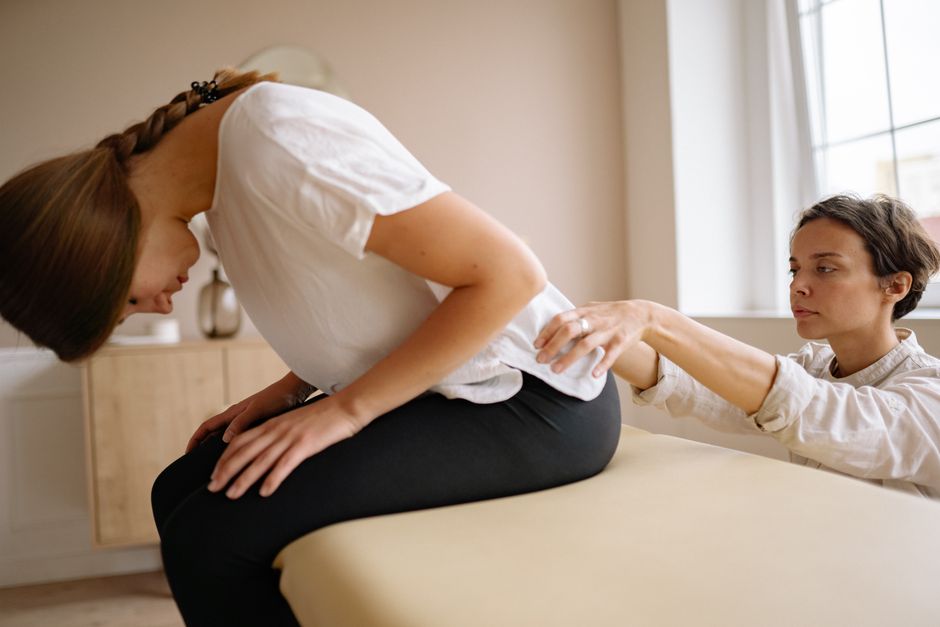
Using a vibration plate for back pain means standing, sitting, or lying on a machine that sends fast mechanical vibrations through your body while you hold a position or do simple exercises. The idea is that the vibration forces your muscles to make tiny, rapid adjustments, which may improve strength, circulation, and balance. For back pain specifically, the evidence is real but modest — some studies show short-term reductions in pain and small gains in function, while others show little difference from regular exercise. It is best used as one part of a broader plan, not as a stand-alone fix.
What Does a Vibration Plate Actually Do to Your Body?
A vibration plate produces oscillations — usually up and down, side to side, or in a rotating pattern — at a set frequency and amplitude. When you stand on the platform, those movements travel through your feet, ankles, knees, hips, and spine.
Your muscles respond with what researchers call a tonic vibration reflex. In plain terms, the vibration stimulates sensory receptors in your muscles and tendons, and your nervous system fires back with quick, involuntary muscle contractions. This happens many times per second. Over a session, that repeated activation can feel like work, even when you are just standing still.
Two broad types of machines exist. Vertical vibration plates move up and down like a seesaw. Pivotal (rotating) plates tilt side to side around a central axis. Some evidence suggests pivotal plates create more of a side-to-side challenge for the hips and lower back, while vertical plates load the legs more evenly. The difference matters less than how you use the machine.
What vibration does not do is “realign” your spine, “decompress” discs, or push a slipped disc back into place. Those claims appear in marketing material but have no solid clinical backing. If a seller tells you the plate will fix a structural problem in your spine, that is a claim to treat with skepticism.
How to Use a Vibration Plate for Back Pain
Start with a plan that matches your current fitness and pain level, and build slowly. Most people do best with short sessions — a few minutes at a time — rather than long ones.
Here is a practical sequence:
- Check with your clinician first if you have a diagnosed spinal condition, a recent injury, or a history of disc surgery. Vibration sends forces through the spine, and some conditions need clearance before you start.
- Begin with a low frequency and low amplitude. Most home machines let you adjust both. Start at the lowest setting and see how your back responds over the next day.
- Keep the first sessions short. Two to five minutes is a reasonable starting point for most beginners. Add time only when a session leaves you no worse the following day.
- Hold a stable stance. Stand with feet about shoulder-width apart, knees slightly soft, and one hand on a wall or rail if you feel unsteady.
- Keep your spine neutral. Avoid rounding your lower back or leaning forward. A neutral spine lets the vibration travel through your body without adding strain.
- Add gentle movement only when ready. Once standing feels comfortable, you can try a slow partial squat or a light hip hinge. Skip these if they increase pain.
- Stop if pain sharpens. A dull, warm muscle sensation is common. Sharp, shooting, or radiating pain is not, and it means stop.
Frequency of use varies. Some studies use sessions several times per week over a period of weeks. There is no single agreed schedule, so treat any specific number you see online with caution. Consistency over weeks matters more than intensity on any one day.
What Does the Research Actually Show?
The evidence is mixed but not empty. Some studies suggest vibration training can reduce chronic low back pain and improve function, particularly when combined with exercise. Other trials find effects similar to conventional exercise, meaning the vibration itself may not add much beyond the movement.
A reasonable summary: vibration plate training appears to help some people with chronic low back pain, at least in the short term, but the effect is generally modest and the quality of studies varies. It is not a proven cure, and no large, long-term trial has established that it changes the underlying cause of most back pain.
One point that gets lost: many vibration plate studies pair the machine with a structured exercise program. When researchers compare vibration plus exercise against exercise alone, the added benefit is often small. That suggests the exercise is doing much of the work, and the plate is a tool that makes some people more willing to move.




Who Should Avoid a Vibration Plate?
Vibration plates are not safe for everyone. Whole-body vibration sends mechanical forces through the spine, joints, and organs, and certain conditions make that risky.
Talk to your doctor before using one if you have any of the following:
- A recent spinal fracture or spinal surgery
- An acute disc herniation with severe or worsening symptoms
- Severe osteoporosis
- Blood clots, or a history of them
- An implanted medical device such as a pacemaker or joint replacement
- Pregnancy
- Active cancer affecting the bone
- Severe heart or vascular disease
This list is not exhaustive. If you have any condition that affects your bones, joints, heart, or circulation, get clearance first. The risk of falling is also real, especially for older adults or anyone with balance problems. Hold a rail until you are steady.
How Does It Compare to Other Back Pain Approaches?
For most cases of nonspecific low back pain, movement is the foundation of recovery. Walking, swimming, cycling, and targeted strengthening all have stronger and more consistent evidence than vibration plates.
Physical therapy remains the most reliable structured option. A therapist can assess your specific problem, identify what is driving the pain, and build a program that fits you. Vibration plates can slot into that program as a warm-up, a balance challenge, or a way to add load without heavy weights.
What tends to matter most across all approaches:
- Staying active rather than resting for long periods
- Building strength in the muscles that support the spine
- Improving flexibility and posture gradually
- Managing stress, which affects how pain is perceived
- Sleeping and eating in ways that support recovery
No single tool replaces those basics. A vibration plate is one option among several, and it works best when it helps you move more, not when it becomes the only thing you do.
Common Mistakes That Reduce Results
People often get less from a vibration plate than they could because of a few avoidable errors.
Going too hard too soon is the most common. A high frequency and long session on day one often leads to soreness and discouragement. Start low and short.
Another mistake is treating the plate as a passive fix. Standing on it while scrolling your phone for twenty minutes is not the same as a focused session with good posture and, eventually, gentle movement. The machine is a tool, not a treatment that works on its own.
Skipping the rest of the plan is a third. If you use the plate but stop walking, stop stretching, and stop strengthening, you are unlikely to see meaningful change. Back pain responds to overall activity, not to one device.
Finally, ignoring warning signs. Pain that gets worse, spreads down a leg, or comes with numbness or weakness is a reason to stop and see a clinician. That pattern can signal nerve involvement, which needs proper assessment.
What Realistic Results Look Like
If a vibration plate helps you, the change is usually gradual. Some people notice less stiffness or a bit more ease of movement after a few weeks of consistent use. Others notice nothing beyond a pleasant post-session feeling.
It is honest to say that for many people, the benefit is modest. Back pain is often persistent and recurring, and management — not cure — is the realistic goal for most. A tool that helps you stay active and feel a little better is worth having, even if it does not eliminate the problem.
Track how you feel over a few weeks. If your pain is stable or improving and you are moving more, keep going. If nothing changes after a fair trial, or if you feel worse, it may not be the right tool for you. That is useful information, not failure.
Frequently Asked Questions
How long should I use a vibration plate for back pain?
Most beginners do best with short sessions of two to five minutes, then build slowly over weeks. There is no single agreed schedule, so let your response guide you.
Can a vibration plate make back pain worse?
Yes, it can, especially if you start at a high setting or use it with a condition that makes vibration risky. Stop and see a clinician if pain sharpens or spreads down a leg.
Is a vibration plate better than regular exercise for back pain?
No strong evidence shows it is better. Some studies suggest modest short-term benefit, but effects are often similar to conventional exercise, which has more consistent support.
Who should not use a vibration plate?
People with recent spinal surgery or fracture, severe osteoporosis, blood clots, implanted devices, pregnancy, or active bone cancer should avoid it unless cleared by a doctor. Balance problems also raise fall risk.
