
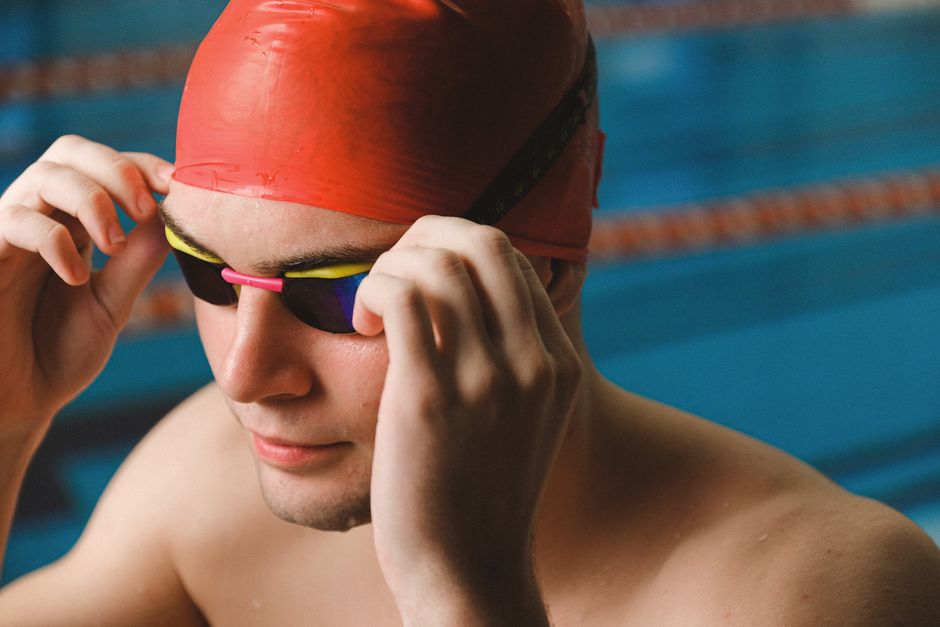
A swimming nose clip is a small tool with a simple job: keep water out of your nose. But if it does not fit right, it can hurt, leak, or fall off mid-lap. The key is choosing the right style and adjusting it so the pressure is even and the seal is snug. Here is how to use a swimming nose clip, fit it properly, adjust it for comfort, and make sure it stays on through your whole swim.
Why Do Swimmers Use a Nose Clip?
Swimmers use nose clips for one main reason: to keep water out of the nasal passages. When you swim, especially during flip turns or underwater work, water can rush up your nose. That sensation is uncomfortable for many people. It can also trigger a gag reflex or a feeling of choking.
Some swimmers use nose clips because they have a sensitive sinus cavity. Others use them because they breathe out through their nose while swimming and want to avoid inhaling water. Competitive swimmers in strokes like butterfly and breaststroke often use them because those strokes require the head to be in the water frequently.
Nose clips are not required equipment. Many swimmers never use them. But for those who do, a properly fitted clip makes the difference between a helpful tool and a nuisance.
How To Use A Swimming Nose Clip Fit Adjust Stay On?
Start with a dry face. Place the clip over your nostrils, not on the bony bridge of your nose. The padded ends should sit just inside the edge of each nostril, pressing gently against the soft cartilage. The clip should pinch the nostrils closed without squeezing so hard that it hurts.
Adjust the tension by gently bending the clip. Most swimming nose clips are made of a flexible metal core covered in plastic or rubber. If the clip feels too tight, bend the arms slightly outward. If it feels too loose, bend them slightly inward. Make small adjustments. A tiny bend changes the pressure noticeably.
Test the fit by blowing gently out through your nose. You should feel resistance but no air escaping around the sides. If air leaks, the clip is not seated correctly. Reposition it so the pads sit deeper into the nostril curve. Then try again.
How To Choose the Right Nose Clip for Your Face
Nose clips come in a few basic styles. The most common is the classic U-shaped clip with padded ends. It works for most people. But face shape matters. People with wider noses may need a larger clip. People with narrow noses may need a smaller one.
Another style is the band-style clip. It has a strap that goes around the back of the head and a small piece that covers the nose. This style is more secure for people who cannot keep a standard clip on. It is also easier to adjust because the strap does the work, not the clip tension.
Some brands offer junior or small sizes for children and teens. If you have trouble keeping a standard clip on, try a different size before giving up. The right size should sit comfortably without digging into your skin.
Material matters too. Softer silicone pads are gentler on the skin. Harder plastic pads can leave marks or cause soreness after a long swim. Look for clips with soft, flexible padding if you plan to swim for more than 30 minutes at a time.




How To Keep a Nose Clip From Falling Off
The most common reason a nose clip falls off is poor positioning. If the clip sits too high on the bridge of the nose, it has nothing to grip. The bridge is bone and cartilage that does not compress easily. The clip needs to grip the softer tissue around the nostrils to stay put.
Another reason clips fall off is that the tension is too weak. Over time, the metal core in a nose clip can lose its spring. If you have had your clip for a long time and it suddenly stops staying on, it may be worn out. Replacement is usually the best option.
Water and sunscreen can make the clip slippery. Dry your nose and the clip before putting it on. If you use sunscreen on your face, let it absorb fully before placing the clip. This gives the clip a better grip.
Some swimmers find that the clip slides off during flip turns. If this happens to you, try a band-style clip. The head strap keeps the nose piece in place even when you are upside down.
How To Avoid Pain and Discomfort From a Nose Clip
Pain from a nose clip usually means it is too tight. A properly fitted clip should feel like a firm pinch, not a sharp squeeze. If you feel throbbing or numbness, remove the clip immediately and adjust it.
Bend the arms outward slightly to reduce pressure. Test again. Repeat until the clip holds without hurting. This process can take a few minutes the first time you do it. It is worth the effort.
Some people develop skin irritation from the pads. This is often due to friction or an allergic reaction to the material. If you notice redness or a rash, switch to a clip with hypoallergenic silicone pads. Keep the area clean and dry after swimming.
Taking breaks helps too. If you are swimming for an hour, you can remove the clip between sets. This gives the skin around your nose a chance to recover.
How To Care for Your Swimming Nose Clip
Rinse your nose clip in fresh water after every swim. Chlorine and salt water can degrade the plastic and metal over time. A quick rinse removes residue and extends the life of the clip.
Dry it completely before storing it. Moisture trapped in a swim bag can cause mildew or corrosion. Store the clip in a small ventilated case or a dry pocket.
Check the clip regularly for signs of wear. If the metal core pokes through the plastic, replace the clip. A broken clip can cut your skin or fail during a swim.
Most nose clips last for several months of regular use. If you swim daily, expect to replace yours more often than if you swim once a week.
Common Mistakes People Make With Nose Clips
One common mistake is placing the clip too high on the nose. This not only hurts but also fails to seal the nostrils. Water can still enter through the lower part of the nostril.
Another mistake is choosing a clip that is too small. A clip that barely reaches both nostrils will not create a proper seal. It will either leak or pop off.
Some swimmers try to wear a nose clip over a wet face. This reduces grip and increases the chance of the clip slipping. Always dry your face before putting the clip on.
Finally, some people give up on nose clips after one bad experience. If your first clip does not work, try a different style or size. The right clip should feel nearly invisible after a few minutes of swimming.
Frequently Asked Questions
How tight should a swimming nose clip be?
A nose clip should feel like a firm pinch that seals your nostrils without causing pain. If it hurts or leaves deep marks, it is too tight and needs to be adjusted.
Can I wear a nose clip for long swims?
Yes, but take breaks if you feel discomfort. Remove the clip between sets to let the skin around your nose recover.
Why does my nose clip keep falling off?
It is likely positioned too high on the bridge of your nose or the tension is too weak. Reposition it lower over the nostrils or bend the arms inward slightly to increase grip.
How do I know if my nose clip is worn out?
If the clip no longer holds its shape, the metal core is visible, or it constantly slips off despite correct positioning, replace it. Worn clips lose their spring and cannot create a proper seal.
