
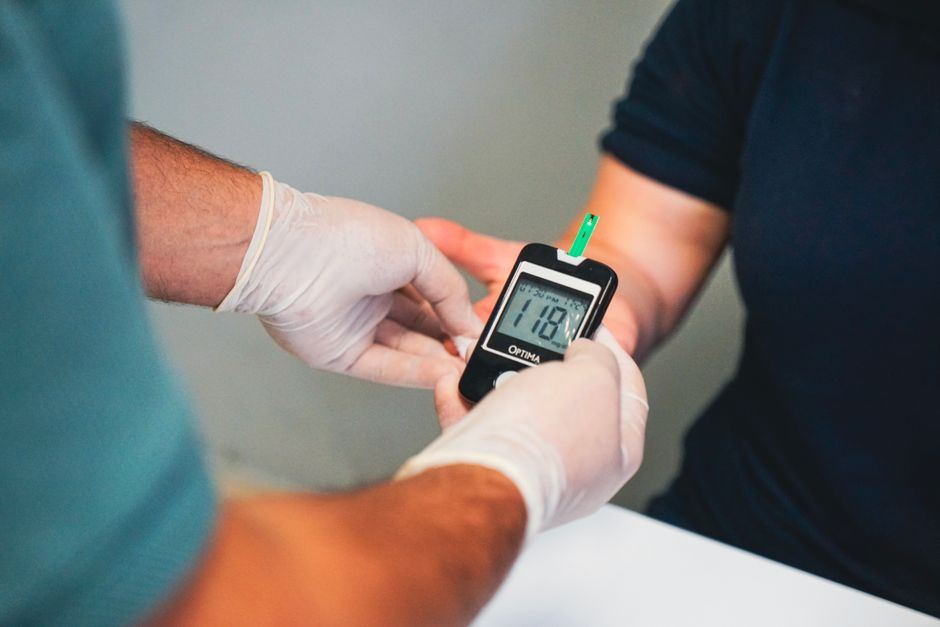
Water alkalinity and water pH are two different measurements, and confusing them is the most common mistake people make when testing their water. Alkalinity is the water’s capacity to neutralize acid — it acts like a buffer. pH tells you how acidic or basic the water is right now. To test alkalinity, you use a titration kit that drips a known acid into a water sample until the color changes, and the number of drops tells you the alkalinity level. To adjust it, you either dilute the water, add a buffer, or blend in a source with different chemistry depending on what you are trying to achieve.
What Is The Difference Between Water Alkalinity And pH?
Alkalinity measures buffering capacity. pH measures current acidity or basicity. A water source can have high alkalinity and still sit at a neutral pH. That surprises people.
Think of alkalinity as the water’s resistance to change. If you add a small amount of acid to water with high alkalinity, the pH barely moves. Add the same acid to water with low alkalinity and the pH drops fast. This matters in aquariums, pools, brewing, and agriculture because stability is often more important than a single pH reading.
Alkalinity is usually reported in milligrams per liter (mg/L) as calcium carbonate (CaCO₃). It is also sometimes expressed in parts per million (ppm) or degrees of hardness, though hardness and alkalinity are separate measurements that often travel together. Hard water usually has high alkalinity, but not always. They can diverge.
The main contributors to alkalinity in natural water are bicarbonate, carbonate, and hydroxide ions. Bicarbonate dominates in most municipal and well water supplies.
How Do You Test Water Alkalinity At Home?
The most reliable home method is a titration test kit. You fill a small vial with a measured water sample, add a color indicator, then count drops of a titrant solution until the color shifts. Each drop represents a fixed amount of alkalinity, and the kit instructions convert the drop count into mg/L or ppm.
Titration kits are available for aquariums, pools, and general water testing. They cost more than test strips but give much more precise results. For any application where the exact number matters, titration is the standard.
Test strips are faster and cheaper. You dip the strip, wait the specified time, and compare the color to a chart. The problem is resolution. Most strips use broad color bands, so you might read “somewhere between 80 and 180 mg/L.” That range is too wide for precise adjustments.
Digital meters exist for pH but not for alkalinity in the same way. Alkalinity is a calculated property, not a direct electrical measurement, so it still requires titration chemistry.
If you are on a municipal water supply, your water utility publishes annual water quality reports that include alkalinity ranges. That gives you a baseline before you test anything yourself. Well water users do not have that option and need to test directly.
For drinking water specifically, the U.S. Environmental Protection Agency does not regulate alkalinity as a health concern. The agency regulates pH as a secondary aesthetic standard, generally recommending a range of 6.5 to 8.5 for public water systems, but alkalinity itself has no federal maximum contaminant level.
What Do Your Alkalinity Test Results Mean?
The meaning of your result depends entirely on what you are using the water for. There is no single “correct” alkalinity for all situations.
| Application | Typical Alkalinity Range | Notes |
|---|---|---|
| Freshwater aquarium (general) | 50–120 mg/L as CaCO₃ | Varies widely by species; some fish need much lower or higher |
| Swimming pool | 80–120 ppm as CaCO₃ | Widely cited industry range for pH stability |
| Drinking water | No federal standard | EPA does not regulate alkalinity as a health concern |
| Brewing water | Depends on beer style | Style-specific; no universal target |
| Irrigation | Depends on crop and soil | High alkalinity can raise soil pH over time |
These ranges come from common practice and industry guidance, not from a single regulatory body. Aquarium targets vary by species. Pool ranges come from pool chemistry guidelines. Brewing targets are style-dependent.
A high alkalinity reading does not mean the water is unsafe to drink. It usually means the water will resist pH changes and may taste slightly flat or alkaline. Very low alkalinity water can be corrosive to pipes because it lacks the buffering to prevent pH swings.




How Do You Adjust Water Alkalinity?
Adjusting alkalinity means changing the water’s buffering capacity. You can raise it, lower it, or blend sources. The right approach depends on your goal.
Raising Alkalinity
To raise alkalinity, you add a buffer. Sodium bicarbonate (baking soda) is the most common choice for aquariums and pools. It raises alkalinity without dramatically shifting pH in most cases. Sodium carbonate (soda ash) raises both alkalinity and pH more aggressively.
For pools, the standard approach is to add sodium bicarbonate based on the difference between your measured alkalinity and your target. Pool chemical suppliers provide dosing charts, but the exact amount depends on pool volume and current chemistry. Follow the manufacturer’s chart, not a guess.
For aquariums, the approach is more delicate. Raising alkalinity too fast stresses fish. The common practice is to raise it gradually over hours or days, not all at once. Crushed coral or limestone in the filter or substrate can also raise alkalinity slowly over time.
For drinking water, raising alkalinity is rarely necessary for health reasons. Some people add a pinch of baking soda to very low-alkalinity water, but there is no clinical guideline recommending this for the general population.
Lowering Alkalinity
Lowering alkalinity is harder than raising it. You cannot simply add something that removes bicarbonate. You either dilute the water with a low-alkalinity source or add acid to convert bicarbonate into carbon dioxide and water.
For pools, muriatic acid or sodium bisulfate lowers both pH and alkalinity. The process is called “acid addition” and it requires careful monitoring because it drops pH at the same time. Pool operators often use aeration to raise pH back up after acid lowers both. This is standard pool chemistry practice.
For aquariums, reverse osmosis (RO) water is the usual dilution method. Mixing tap water with RO water reduces alkalinity proportionally. If you use 50% RO and 50% tap, you roughly halve the alkalinity. This is the safest approach because it avoids sudden chemistry shifts.
For drinking water, lowering alkalinity is not a health goal. If your water tastes too alkaline, a point-of-use filter or dilution with low-alkalinity bottled water may change the taste, but there is no health reason to do this.
Blending Water Sources
Blending is the simplest adjustment method when you have two water sources with different alkalinity. Mix them in known proportions to hit your target. This avoids adding chemicals and gives predictable results. It is common in brewing, aquarium keeping, and agriculture.
Why Does Alkalinity Matter For Pools And Aquariums?
Alkalinity matters most where pH stability is critical. Pools and aquariums are the two most common examples.
In pools, low alkalinity causes “pH bounce” — the pH swings wildly when you add chlorine or acid. High alkalinity makes pH hard to adjust and can cause scaling. The 80–120 ppm range is widely cited because it keeps pH stable in most pool conditions.
In aquariums, alkalinity affects the carbonate hardness (KH) that fish and invertebrates need. Corals, snails, and shrimp use carbonate to build shells and skeletons. Too little alkalinity and their shells weaken. Too much and some species struggle to regulate their internal chemistry. The right range depends on what you keep.
Freshwater community tanks often do well in the 50–120 mg/L range. African cichlid tanks need higher. Discus and certain South American species need lower. These are species-specific requirements, not universal rules.
For drinking water, alkalinity has no direct health effect at typical levels. The EPA does not regulate it. It affects taste and pipe corrosion, not human health.
What Mistakes Should You Avoid When Adjusting Alkalinity?
The biggest mistake is adjusting pH when you meant to adjust alkalinity. They are not the same. Adding pH up or pH down products changes pH temporarily, but if alkalinity is low, the pH will drift back. Fix alkalinity first, then pH.
Adding too much buffer at once is another common error. In aquariums, this can kill fish. In pools, it can cause cloudy water or scaling. Add in small amounts, retest, and repeat. Never add the full calculated dose without testing in between.
Using test strips for precise adjustments is a third mistake. Strips are fine for a rough check, but if you are adding chemicals based on the result, you need titration-level accuracy.
Assuming all water needs adjustment is the fourth. Many municipal water supplies have alkalinity in a range that works fine for most uses. Test first. Adjust only if you have a specific reason.
Frequently Asked Questions
Can I test water alkalinity without a kit?
No reliable home method exists without a test kit. You need either a titration kit or test strips to measure alkalinity. Guessing based on taste or feel is not accurate.
Does boiling water change alkalinity?
Boiling can slightly reduce alkalinity by driving off carbon dioxide, but the effect is small and inconsistent. It is not a practical way to adjust alkalinity.
Is high alkalinity water safe to drink?
Yes, at typical levels. The EPA does not regulate alkalinity as a health concern in drinking water. It affects taste and pipe corrosion more than human health.
How often should I test my water alkalinity?
For pools, test weekly or after heavy rain and chemical additions. For aquariums, test weekly or after water changes. For drinking water, annual testing is usually enough unless you notice a change in taste or source.
