
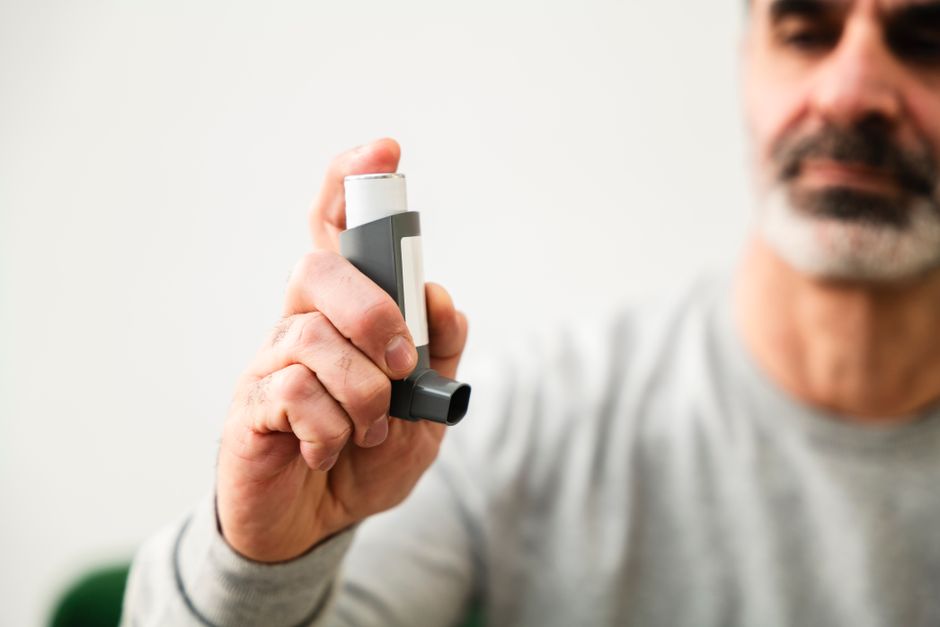
Using a nebulizer correctly means three things: setting it up properly, breathing the medication in the right way, and cleaning it after every use. A nebulizer turns liquid medicine into a fine mist you inhale directly into your lungs. It is commonly used for asthma, COPD, and other respiratory conditions. The process takes about 10 to 15 minutes per session, and skipping the cleaning step can lead to infections.
What Is a Nebulizer and How Does It Work?
A nebulizer is a medical device that changes liquid medication into a mist. You breathe this mist through a mouthpiece or mask. The medication goes straight to your airways and lungs, which is why it works faster than oral pills for many breathing problems.
There are two main types of nebulizers. Jet nebulizers use compressed air to turn the liquid into mist. Ultrasonic nebulizers use sound vibrations. Both deliver medication effectively, but jet nebulizers are more common and often less expensive. Your doctor or pharmacist will tell you which type is right for you.
The medication comes in small vials or bottles. Common ones include albuterol (a bronchodilator) and budesonide (a steroid). Never mix medications unless your doctor specifically tells you to. Each medication has its own instructions.
How To Set Up a Nebulizer Step by Step
Setting up a nebulizer is straightforward once you know the parts. Every unit has a compressor (the base machine), a medication cup, tubing, and a mouthpiece or mask. Here is the standard setup process.
First, wash your hands with soap and water. This prevents germs from getting into the medication. Place the compressor on a flat, stable surface near an electrical outlet. Plug it in.
Next, open the medication vial. Squeeze the prescribed amount into the medication cup. Most vials come pre-filled with the correct dose. If you use a multi-dose bottle, use the dropper or syringe provided. Check the cup’s fill line if one exists.
Attach the tubing to the compressor’s air outlet. Connect the other end of the tubing to the bottom of the medication cup. Then attach the mouthpiece or mask to the top of the cup. Make sure all connections are snug but not forced. A loose connection will cause the mist to leak.
Turn on the compressor. You should see a light mist coming from the mouthpiece or mask within a few seconds. If you do not see mist, check the connections and make sure the tubing is not pinched or bent.
How To Breathe During a Nebulizer Treatment
Your breathing technique matters as much as the machine setup. The goal is to get the medication deep into your lungs. Sit upright in a comfortable chair. Do not lie down during treatment — this makes it harder for the mist to reach your lower airways.
Place the mouthpiece between your teeth and close your lips around it. If you use a mask, position it firmly over your nose and mouth. A mask is often easier for young children or people who cannot hold a mouthpiece steady.
Breathe in slowly and deeply through your mouth. Hold each breath for one to two seconds if you can. Then breathe out slowly through your nose or mouth. Continue this pattern until the cup is empty or the mist stops. This usually takes 10 to 15 minutes.
If you cough during treatment, pause and rest. Take a few normal breaths, then continue. Coughing is common when airways are irritated. If coughing is severe or does not stop, tell your doctor.
Some people feel dizzy or lightheaded during treatment. This can happen if you breathe faster than normal. Slow down. Take a break if needed. The treatment should feel calm, not rushed.





How Often Should You Use a Nebulizer?
Your doctor decides how often you use your nebulizer. There is no universal schedule. Some people use it only when symptoms flare up. Others use it daily as part of a maintenance plan.
For acute symptoms like wheezing or shortness of breath, a rescue medication such as albuterol is often used as needed. For daily control, medications like budesonide are typically used once or twice daily at the same times each day.
Follow your prescription exactly. Do not increase or decrease the frequency without talking to your doctor. Using a rescue inhaler more than prescribed is a sign that your breathing is not well controlled. That is a reason to call your doctor, not to keep using more medication.
How To Clean a Nebulizer After Every Use
Cleaning is not optional. Medication residue and moisture create a perfect place for bacteria and mold to grow. Breathing in contaminated mist can cause lung infections. This is especially dangerous for people with chronic lung disease.
Clean the nebulizer after every single use. Here is the routine:
- Disconnect the tubing from the compressor. Do not wash the tubing — it does not touch medication directly.
- Remove the medication cup, mouthpiece, or mask.
- Rinse these parts with warm water. Do not use soap yet — that comes next.
- Add a drop of mild liquid dish soap to the parts. Swirl them in warm soapy water for about 30 seconds.
- Rinse thoroughly with clean warm water. Any soap left behind can irritate your lungs.
- Shake off excess water. Place the parts on a clean paper towel or cloth to air dry.
- Reassemble the unit once everything is completely dry.
Do not put the compressor or tubing in water. The compressor contains electrical parts. The tubing is not meant to be washed. If the tubing gets wet inside, replace it.
How To Disinfect a Nebulizer Weekly
Daily cleaning removes medication residue. Weekly disinfecting kills germs that daily washing may miss. Do this once a week if you use your nebulizer daily. If you use it less often, disinfect after every few uses.
There are several safe methods. One common approach is to soak the parts (never the tubing or compressor) in a solution of one part white vinegar and three parts water for 30 minutes. Rinse thoroughly afterward and air dry.
Another option is to boil the parts in water for 5 minutes. Let them cool completely before reassembling. Boiling can damage some plastic parts over time, so check your device manual first. If you use a microwave steam bag system, follow the manufacturer’s instructions exactly.
After disinfecting, always rinse with sterile or cooled boiled water. Tap water contains minerals that can leave residue inside the cup. This residue can interfere with how well the medication delivers.
When To Replace Nebulizer Parts
Nebulizer parts wear out. They do not last forever. The tubing should be replaced every 6 to 12 months or sooner if it cracks, discolors, or develops condensation that will not dry. The medication cup and mouthpiece should be replaced every 6 months or according to the manufacturer’s guidance.
Check the filter on the compressor regularly. Most units have a small filter that traps dust and dirt. A dirty filter reduces airflow and makes the treatment less effective. Replace it every 3 to 6 months or when it looks discolored. Some filters can be rinsed and reused; others must be replaced. Check your manual.
If your nebulizer seems to produce less mist than before, check the filter and connections first. If the problem continues, the compressor may need servicing. Do not try to repair the compressor yourself.
Common Mistakes To Avoid
Several mistakes reduce how well a nebulizer works. One of the most common is tilting the medication cup. Keep the cup upright during treatment. Tilting can cause the medication to spill or pool incorrectly.
Another mistake is reusing a medication vial. Most vials are single-use. If your vial has no preservative, bacteria can grow quickly. Do not refrigerate opened vials for later use unless the label says it is safe.
Skipping the compressor filter check is also common. A clogged filter means less air pressure, which means a weaker mist. The medication may not reach deep into your lungs.
Finally, some people stop using their nebulizer because they feel better. If your doctor prescribed daily use, continue it. Stopping suddenly can cause symptoms to return. Talk to your doctor before changing your routine.
Frequently Asked Questions
How long does a nebulizer treatment take?
A typical treatment takes 10 to 15 minutes. The treatment is done when the medication cup is empty or the mist stops flowing.
Can I use a nebulizer while lying down?
No. Sit upright during treatment so the mist can reach your lower airways more effectively. Lying down makes it harder for the medication to travel deep into your lungs.
How often should I clean my nebulizer?
Rinse and wash the parts after every use with warm soapy water. Disinfect the parts once a week using a vinegar solution or by boiling them.
Can I mix two medications in the nebulizer cup?
Only if your doctor or pharmacist tells you it is safe. Some medications are compatible, but many are not. Mixing incompatible drugs can reduce effectiveness or cause irritation.
