
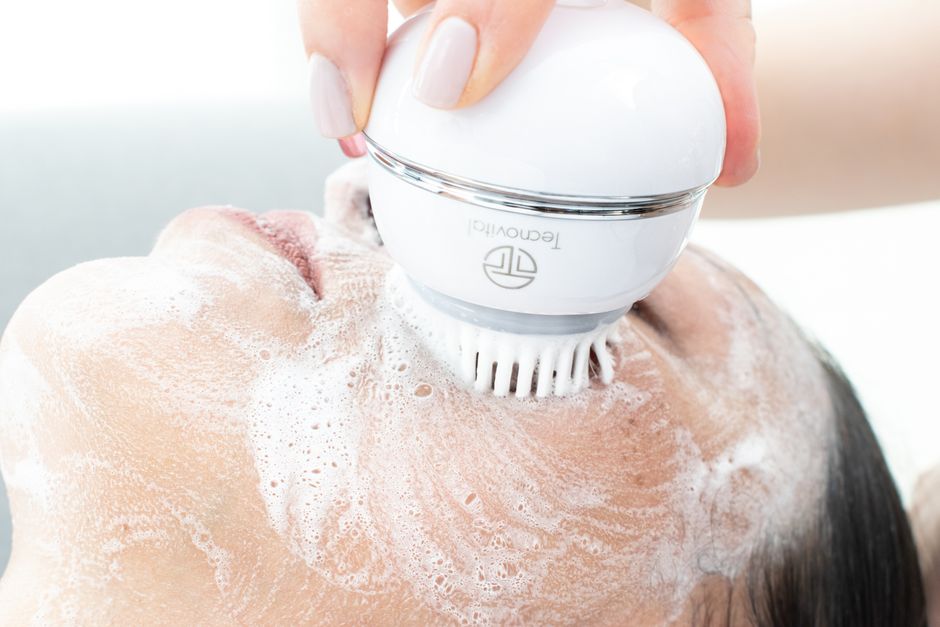
Using a facial cleansing brush the right way means moving it in gentle circular motions for no more than 60 seconds, using a low speed setting, and only using it 2-3 times per week. Do not scrub hard or press the bristles into your skin. Wet your face and the brush first, apply a gentle cleanser, and work in small circles across your forehead, nose, cheeks, and chin. Rinse thoroughly and pat dry. Overuse or aggressive pressure is the main reason people damage their skin barrier with these devices.
What Does Using a Facial Cleansing Brush Actually Do to Your Skin?
A facial cleansing brush uses rotating or vibrating bristles to physically remove dirt, oil, and makeup from your skin. The idea is that the mechanical action is more thorough than your hands alone. Some brushes also claim to improve product absorption or boost circulation.
Research published in the Journal of Clinical and Aesthetic Dermatology found that sonic brushes can remove more makeup and sunscreen than manual cleansing alone. The same study noted that participants had smoother skin texture after four weeks of use. But the results were modest, not dramatic.
The main benefit is simply a deeper clean. For people who wear heavy makeup or sunscreen daily, a brush can help ensure everything is fully removed at night. For people with dry or sensitive skin, the same mechanical action can cause irritation.
How To Use A Facial Cleansing Brush The Right Way Without Hurting Your Skin
Start with a completely dry brush head and a damp face. Apply your cleanser to the brush or directly to your skin. Never use a brush on dry skin or with no cleanser. That creates too much friction.
Turn the brush on its lowest setting first. You can increase speed later if your skin tolerates it. Move the brush in small, gentle circles. Do not glide it across your skin like a scrub pad. Keep the brush moving at all times. Do not let it sit stationary on any spot for more than a second.
Limit each session to 60 seconds total. Many brushes have a built-in timer that pulses every 20 seconds to tell you when to move to a new section of your face. Follow that timing. Spending more time does not mean cleaner skin. It means more irritation.
After cleansing, rinse your face with lukewarm water. Pat dry with a clean towel. Do not rub. Apply moisturizer immediately while skin is still slightly damp. This helps seal in hydration.
How Often Should You Use a Facial Cleansing Brush?
Most dermatologists recommend using a facial brush no more than two to three times per week. Daily use is too much for most skin types. Even people with oily or acne-prone skin can overdo it.
The American Academy of Dermatology advises that over-exfoliation can strip the skin of its natural oils and damage the moisture barrier. Signs you are overdoing it include redness, stinging, flaking, or breakouts in areas where you normally do not get them.
If your skin feels tight or looks shiny after using the brush, you are likely using it too often or pressing too hard. Scale back to once a week and see if the irritation resolves. Some people find that once a week is plenty for maintaining smooth skin without side effects.
For comparison, here is how different skin types typically respond to frequency:
| Skin Type | Recommended Frequency | Notes |
|---|---|---|
| Oily or combination | 2-3 times per week | Can help control shine if not overdone |
| Normal | 1-2 times per week | Maintains texture without irritation |
| Dry or sensitive | Once a week or less | Many people with dry skin should avoid brushes entirely |
| Acne-prone | 2 times per week max | Avoid active breakouts; only use on clear skin areas |





What Type of Brush Head and Cleanser Should You Use?
Brush heads come in different materials and bristle stiffness. Soft synthetic bristles are the safest choice for most people. Avoid natural bristles like boar hair, which are too harsh for facial skin. Silicone brush heads are gentler than nylon bristles and easier to clean.
Replace your brush head every three months. Bacteria build up on bristles over time, and worn bristles become less effective and more abrasive. If you have acne or sensitive skin, consider replacing every two months.
Use a gentle, non-abrasive cleanser with your brush. Gel or cream cleansers work best. Avoid cleansers with physical exfoliants like microbeads or crushed walnut shells. Combining a brush with a gritty cleanser is essentially double-exfoliating and will almost certainly irritate your skin.
Foaming cleansers can be drying for some people. If your face feels tight after washing, switch to a hydrating cream cleanser. The brush already provides physical exfoliation, so your cleanser does not need to do any heavy lifting.
Common Mistakes People Make With Facial Cleansing Brushes
The most common mistake is pressing too hard. Many people think more pressure equals a deeper clean. The opposite is true. Gentle pressure is all that is needed. The brush does the work, not your hand.
- Using the brush on active acne or open wounds spreads bacteria and worsens inflammation.
- Sharing brush heads with anyone else transfers bacteria directly to your skin.
- Storing the brush in a damp bathroom without letting it dry fully encourages mold and bacterial growth.
- Using the brush around the eye area is risky. The skin there is thin and delicate.
- Skipping moisturizer after using the brush leaves your skin barrier unprotected.
Another mistake is using a brush with a foaming cleanser that contains sulfates. Sodium lauryl sulfate can be overly stripping when combined with mechanical exfoliation. Check your cleanser label if your skin feels tight after washing.
Some people also use the brush on their neck and chest, which can be fine if done gently. But the skin on your neck is thinner than your face in some areas. Use the same gentle circular motion and limit time there too.
Who Should Avoid Using a Facial Cleansing Brush?
People with rosacea, eczema, or active dermatitis should avoid facial brushes entirely. The mechanical exfoliation triggers flare-ups in these conditions. The National Rosacea Society specifically advises against using abrasive cleansing devices.
Anyone using prescription retinoids or strong exfoliating acids like glycolic acid should be cautious. The combination of chemical exfoliation and physical exfoliation from a brush can cause significant irritation. If you use these products, skip the brush on nights you apply them.
People with very dry skin or a compromised moisture barrier should also avoid brushes until their skin heals. Signs of a damaged moisture barrier include persistent redness, stinging with product application, and a rough texture that does not improve with moisturizer.
If you are unsure whether a brush is right for you, start with once a week and watch how your skin responds over two weeks. Redness, bumps, or increased sensitivity are signs to stop.
Frequently Asked Questions
Can I use a facial cleansing brush every day?
Most dermatologists recommend using it no more than two to three times per week. Daily use can strip your skin barrier and cause irritation.
Should I use a facial brush with my regular cleanser?
Yes, use your regular gentle cleanser. Avoid cleansers with physical exfoliants like beads or grit, as combining them with a brush is too harsh.
How do I clean my facial cleansing brush?
Rinse the brush head thoroughly after each use and let it air dry completely. Wash the brush head with soap and warm water once a week.
Does a facial brush help with acne?
It can help keep pores clear for some people, but it can also worsen active breakouts by spreading bacteria. Only use it on clear skin areas.
