
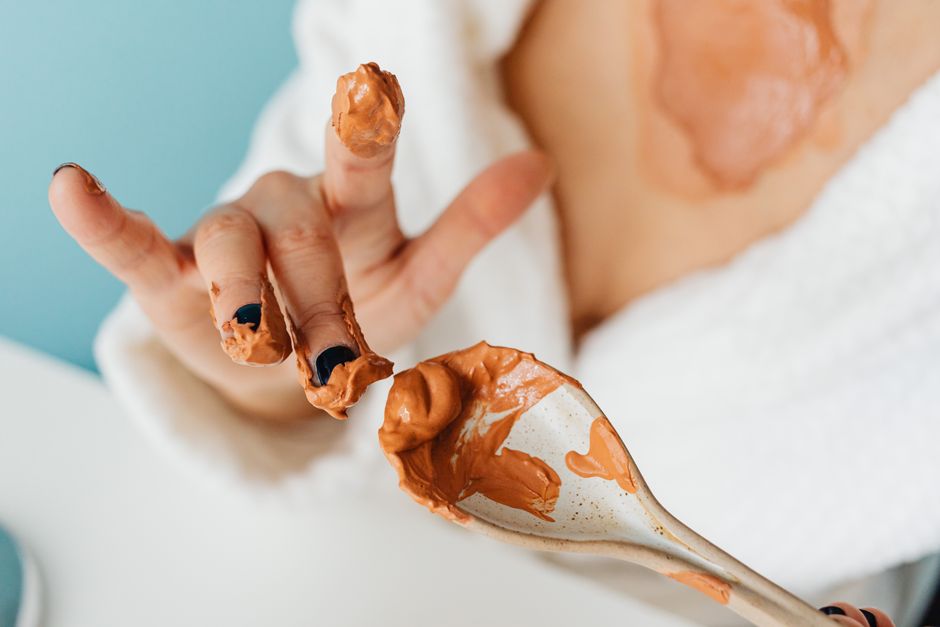
Using a clay mask, a sheet mask, or both overnight is a different process than a daytime mask. Clay masks should never be left on overnight because they dry and can strip your skin. Sheet masks can be left on overnight if you choose the right type and prepare your skin first. The key is knowing which mask works for overnight use and which one needs a rinse before bed.
Can You Leave a Clay Mask on Overnight?
No. Clay masks are designed to dry on your skin. They pull out oil and dirt as they harden. If you leave one on overnight, the clay will continue to dry past the point of being helpful. Your skin can become tight, irritated, and dehydrated.
Most clay masks should be removed after 10 to 15 minutes. Some people with very oily skin can leave them on for up to 20 minutes. But overnight is too long. The American Academy of Dermatology advises rinsing clay masks off before they fully crack or feel uncomfortable.
If you want the benefits of clay without the dryness, try a short-contact method. Apply the clay mask for 10 minutes, rinse, then follow with a hydrating sheet mask. This gives you the deep clean without the damage.
Can You Leave a Sheet Mask on Overnight?
Some sheet masks are made for overnight use. Others are not. The difference is in the ingredients and the formula. Overnight sheet masks are usually labeled as sleeping masks or overnight masks. They have a gel or cream texture that absorbs slowly.
Regular sheet masks are soaked in serum. If you leave them on all night, they will dry out. Once the sheet dries, it can pull moisture from your skin instead of adding it. This defeats the purpose. A dry sheet mask can also cause friction against your pillow, leading to irritation.
Check the label. If it says rinse off, do not sleep in it. If it says leave on or overnight, you are fine. Some Korean beauty brands specifically make overnight sheet masks that form a breathable layer. These are safe to sleep in.
How to Use a Clay Mask and Sheet Mask Together for Overnight Results
You can use both masks in one routine, but not at the same time. The correct order is clay first, then sheet mask. The clay mask cleans deep into your pores. Rinsing it off opens the door for the sheet mask to deliver hydration and nutrients.
Here is the step-by-step method that works for overnight use:
- Wash your face with a gentle cleanser. Pat dry.
- Apply a thin layer of clay mask to your entire face. Avoid the eye area.
- Leave the clay mask on for 10 to 15 minutes. Rinse with warm water.
- Pat your skin dry again. Do not rub.
- Apply an overnight sheet mask or sleeping mask. Smooth it over your face.
- Leave the sheet mask on overnight. Remove it in the morning and rinse lightly.
This routine gives you the benefits of both masks without the risks. You get deep cleaning from the clay and long-lasting hydration from the sheet mask. Do not do this every night. Once or twice a week is enough for most skin types.




What Does Research Say About Overnight Mask Use?
Research on overnight masking is limited. Most studies focus on individual ingredients rather than the practice itself. For example, research published in the Journal of Cosmetic Dermatology found that clay masks containing kaolin or bentonite can reduce sebum levels after short use. The study did not test overnight application because it is not recommended.
Sheet mask research is more helpful. A 2020 study in the Journal of Drugs in Dermatology looked at overnight moisturizing masks. The study found that masks with ingredients like ceramides and hyaluronic acid improved skin hydration and barrier function when left on for several hours. The key was the formulation. Masks with occlusive ingredients like shea butter or petrolatum locked in moisture better than lightweight serums.
The National Institutes of Health notes that overnight occlusion can increase ingredient absorption. This is good for hydration but risky for active ingredients like retinol or acids. If your sheet mask contains exfoliating acids, do not leave it on overnight. The increased absorption can cause irritation.
What Are the Risks of Leaving a Mask on Overnight?
The main risk is skin irritation. Clay masks dry out your skin if left on too long. This can lead to redness, peeling, and breakouts. Your skin may overproduce oil to compensate, making acne worse.
Sheet masks carry a different risk. If the mask contains fragrance, alcohol, or essential oils, overnight use can cause contact dermatitis. This shows up as a rash, itching, or swelling. A 2019 review in Dermatitis found that fragrance is one of the most common allergens in skincare products. Leaving a fragranced mask on for hours increases your exposure.
Another risk is bacterial growth. Sheet masks are single-use products. If you reuse a sheet mask or leave it on too long, bacteria from your skin can multiply in the moist environment. This can cause infections, especially if you have acne or broken skin.
People with sensitive skin, rosacea, or eczema should be cautious. Overnight masking is not recommended for these skin types without a patch test first. Apply a small amount of the mask behind your ear or on your inner arm. Leave it for a few hours. If no reaction occurs, it is likely safe for your face.
How to Choose the Right Mask for Overnight Use
Not all masks are created equal. Choosing the wrong one can ruin your skin barrier. Here is a simple comparison to help you decide:
| Mask Type | Best For | Overnight Safe? |
|---|---|---|
| Clay mask (kaolin, bentonite) | Oily skin, acne-prone skin | No |
| Sheet mask (hydrating, gel-based) | Dry skin, dehydrated skin | Yes, if labeled overnight |
| Sleeping mask (cream or gel-cream) | All skin types | Yes |
| Exfoliating mask (AHAs, BHAs) | Dull skin, uneven texture | No |
| Peel-off mask | Blackheads, rough texture | No |
Look for labels that say overnight, sleeping mask, or leave-on. Avoid masks that say rinse off or wash off. Ingredients like hyaluronic acid, glycerin, ceramides, and niacinamide are safe for overnight use. Avoid masks with high concentrations of alcohol, fragrance, or essential oils.
Common Misconceptions About Overnight Masking
One common myth is that leaving a mask on longer gives better results. This is false for most masks. Clay masks reach their peak effectiveness within 15 minutes. Sheet masks deliver most of their ingredients within 20 to 30 minutes. Leaving them on longer does not increase absorption. It increases the risk of irritation.
Another myth is that all sheet masks are safe to sleep in. This is not true. Many sheet masks contain preservatives or active ingredients that are not meant for prolonged contact. Always read the instructions. If the package says remove after 15 to 20 minutes, follow that.
Some people believe that overnight masking can replace a moisturizer. This is not accurate. Even overnight masks work best when applied over a moisturizer or serum. The mask seals in the products underneath. Skipping your moisturizer can leave your skin dry, especially if you sleep in a dry environment or with air conditioning.
There is also a belief that natural or homemade masks are safer for overnight use. This is widely claimed but strong evidence is limited. Homemade masks made from food ingredients like yogurt, honey, or oatmeal can contain bacteria. They also lack preservatives. Leaving them on overnight increases the risk of contamination and skin reactions.
What to Avoid When Using Masks Overnight
Avoid masks with active ingredients like retinol, glycolic acid, salicylic acid, or vitamin C in high concentrations. These ingredients work best with short contact. Leaving them on overnight can cause chemical burns, peeling, and severe irritation. A 2021 review in the International Journal of Molecular Sciences confirmed that prolonged exposure to exfoliating acids can damage the skin barrier.
Avoid masks that contain clay or charcoal. These are drying by nature. They belong in the daytime or evening rinse-off routine, not overnight.
Avoid sleeping with a sheet mask that has a plastic or foil backing. These are designed to prevent evaporation during short use. Sleeping in them can trap heat and moisture, leading to acne or milia. Stick with breathable fabric sheet masks that are labeled for overnight use.
Avoid using masks on broken or irritated skin. If you have a sunburn, active acne, or a rash, skip the mask until your skin heals. Overnight masking on damaged skin can make things worse.
Frequently Asked Questions
Can I use a clay mask and sheet mask on the same night?
Yes, but use the clay mask first and rinse it off. Apply the sheet mask after for hydration.
How often should I use an overnight mask?
Once or twice per week is enough for most skin types. Overuse can irritate your skin barrier.
Do I need to wash my face after an overnight sheet mask?
Rinse lightly with water in the morning. Leaving the residue can clog pores on some skin types.
Can I sleep in any sheet mask?
No. Only use sheet masks labeled overnight or sleeping mask. Regular sheet masks should be removed after 15 to 20 minutes.
