
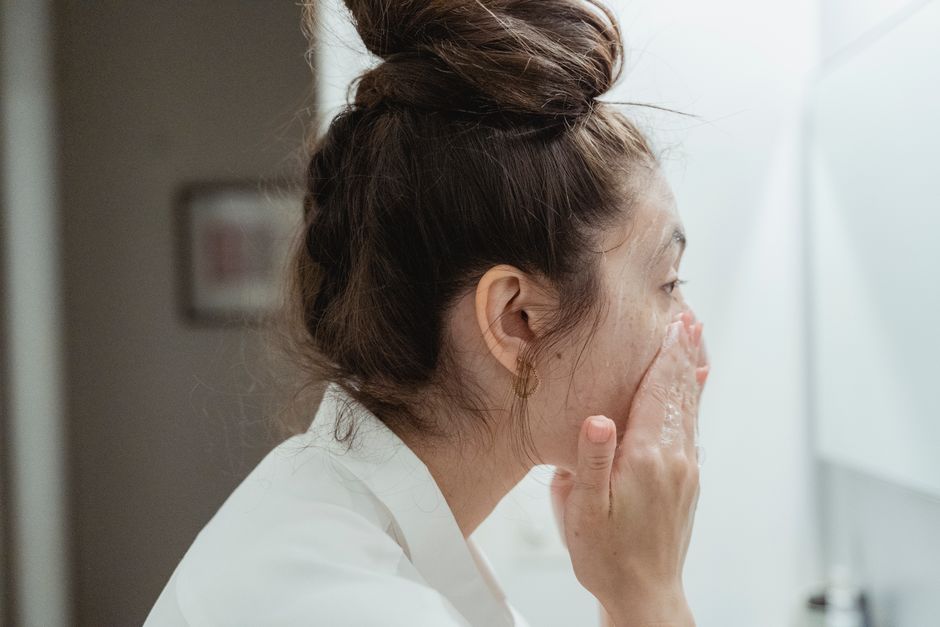
Washing your face after CO2 laser treatment means using only what your clinician approves — typically a gentle, fragrance-free cleanser and lukewarm water, applied with very light pressure, then patted dry with a clean soft cloth. For the first several days, many clinics have patients skip tap water entirely and use sterile saline or a diluted vinegar rinse instead. The exact method matters more than most people expect, because the skin is an open wound during early healing.
Getting this wrong does not just slow recovery. It can raise the risk of infection, scarring, and uneven pigment. Here is how to wash safely, what to avoid, and what normal healing actually looks like.
Why Is Washing Your Face So Important After CO2 Laser Treatment?
CO2 laser resurfacing removes the outer layer of skin and heats the tissue beneath it. That creates a controlled wound. The surface is raw, oozing, and temporarily without its normal barrier.
That open surface is vulnerable to bacteria. Wound care after resurfacing focuses on keeping the area clean while it rebuilds. Gentle cleansing helps remove dried serum, old ointment, and debris that can trap bacteria. It also lets you see the skin clearly so you can spot early signs of infection.
The goal is balance. Too little cleaning lets debris build up. Too much scrubbing, or the wrong products, strip away the fragile new cells trying to form. The first week is when the skin is most fragile and when technique matters most.
What Should You Use to Wash Your Face After CO2 Laser Treatment?
Use a mild, fragrance-free, non-foaming cleanser — or whatever specific product your clinician tells you to use. Follow their instructions over any general advice, including this article.
Many clinics recommend one of these during the first days to week:
- Sterile saline solution, often sold for wound care
- A diluted white vinegar and water rinse, mixed at the ratio your clinician specifies
- A very gentle cleanser recommended by your surgeon
Do not use bar soap, exfoliating cleansers, scrubs, or anything with fragrance, alcohol, or acids. Skip any product with retinoids, alpha hydroxy acids, beta hydroxy acids, or vitamin C during early healing unless your clinician says otherwise.
Water temperature matters. Lukewarm is safer than hot. Hot water can increase redness and irritation on skin that is already inflamed.
How To Wash Your Face After CO2 Laser Treatment: Step by Step
Wash with clean hands and a light touch. The steps below reflect common clinical guidance, but your own aftercare instructions take priority.
- Wash your hands thoroughly first.
- Wet your face gently with lukewarm water, or use saline if your clinician prefers that early on.
- Apply a small amount of cleanser to your fingertips. Do not use a washcloth to scrub.
- Use only the pads of your fingers. No rubbing, no circular scrubbing, no pressure.
- Rinse by gently pouring or splashing lukewarm water. Do not blast the skin with a strong stream.
- Pat dry with a clean, soft cloth. Do not rub.
- Apply the ointment or moisturizer your clinician recommended right away, while the skin is still slightly damp if they advised that.
How often to wash depends on your clinician’s plan. Many ask patients to cleanse gently a few times a day during the oozing phase, then less often as the skin dries. Follow the schedule you were given rather than a fixed number from any general source.




What Should You Avoid While Your Skin Is Healing?
Avoid anything that adds friction, heat, or chemicals to the healing surface. These are the common mistakes that set recovery back.
- Scrubbing or picking. Do not peel off flaking skin. Let it shed on its own.
- Hot water and steam. Skip hot showers directed at the face, saunas, and steam rooms.
- Active ingredients. Retinoids, acids, scrubs, and most serums should wait until your clinician clears them.
- Fragrance and essential oils. These commonly irritate healing skin.
- Sun exposure. New skin burns easily. Sun protection is a major part of avoiding lasting pigment changes.
- Swimming. Pools, hot tubs, lakes, and oceans are not appropriate while the skin is open.
Ask before using any product you are unsure about. When in doubt, leave it out until the skin has closed.
What Does Normal Healing Look Like?
Right after treatment, the skin is red, raw, and often oozes a clear or slightly pink fluid. Over the first several days, this typically gives way to crusting and then to flaking as new skin forms underneath.
Redness can last well beyond the flaking stage. It often fades gradually over weeks, and some pinkness can persist longer, especially with deeper treatments. This timeline varies a lot between people and depends on treatment depth, skin type, and aftercare.
Call your clinician if you notice signs that concern you, such as:
- Increasing pain rather than improving pain
- Spreading redness, warmth, or swelling
- Thick yellow or green discharge
- Fever
- Blisters or sores that look different from the rest of the healing skin
These can signal infection or another complication. Early treatment is easier than waiting.
Does the Cleansing Method Change the Final Result?
Aftercare affects healing, but it is not the only factor in your outcome. Treatment depth, the device used, your skin type, and how your skin responds all play a role. Good cleansing supports healing; it does not guarantee a specific result.
What is well established is that infection and picking can worsen scarring and pigment problems. So the practical value of careful washing is mainly about avoiding those setbacks, not about enhancing the laser’s effect.
One point people often miss: the skin stays fragile after it looks closed. The surface may appear healed while the tissue underneath is still remodeling. That is why clinicians often keep patients off active ingredients and strong sun exposure for longer than the visible healing takes. Follow your own timeline rather than assuming you are done when the flaking stops.
When Should You Call Your Clinician?
Call if anything seems off rather than waiting to see if it improves. Your clinician knows your treatment depth and skin, so they can judge what is normal for you.
Reach out if you have increasing pain, spreading redness, unusual discharge, fever, or any change that worries you. Also call if you are unsure whether a product is safe to use. A quick question is far better than a setback.
Do not rely on general advice, including this article, to replace the specific instructions you were given. Aftercare plans differ based on how deep the treatment went and how your skin is responding.
Frequently Asked Questions
Can I wash my face with tap water after CO2 laser treatment?
Many clinicians have patients avoid tap water during the first days and use sterile saline or a diluted vinegar rinse instead. Follow your own aftercare instructions, since the right choice depends on how deep your treatment was.
How soon can I wash my face after CO2 laser treatment?
Most patients start gentle cleansing within the first day or two, often using saline rather than tap water at first. Your clinician will give you a specific schedule based on your treatment.
What happens if I scrub or pick my skin while it heals?
Scrubbing or picking can worsen scarring and pigment problems and may raise infection risk. Let flaking skin shed on its own and keep your touch light.
Can I use my regular face wash after CO2 laser treatment?
Not right away. Regular cleansers often contain fragrance, acids, or exfoliants that irritate healing skin, so use only what your clinician approves until they clear you.
