
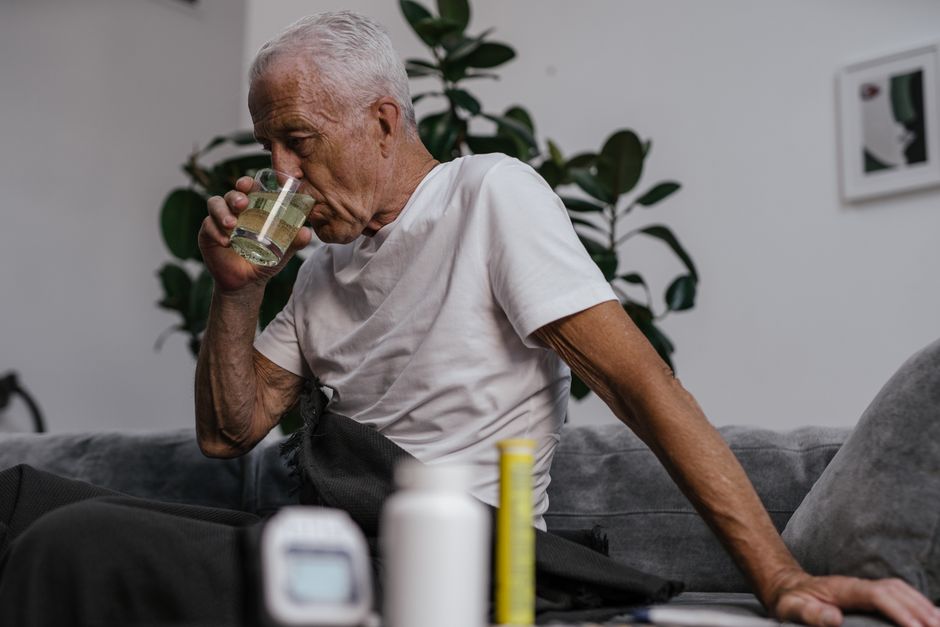
Vomiting is your body’s way of getting rid of something it considers harmful, but that does not make it any less miserable when it is happening to you. Most cases of vomiting are caused by a stomach virus or food poisoning and will pass on their own within 24 to 48 hours. The most important thing you can do at home is prevent dehydration while the illness runs its course, and the most important thing you need to know is when to stop treating it at home and call a doctor.
What Causes Vomiting In Adults?
Viral gastroenteritis, often called the stomach flu, is the most common cause of sudden vomiting in adults. It is not the same as influenza, which is a respiratory illness. Norovirus is a leading cause of this type of stomach bug, and it spreads easily in close quarters like homes, offices, and cruise ships.
Food poisoning is another frequent cause. Bacteria like Salmonella or toxins in spoiled food can trigger vomiting within hours of eating. Other causes include motion sickness, migraines, pregnancy, certain medications, and drinking too much alcohol. Less commonly, vomiting can signal a more serious condition like appendicitis, gallbladder disease, or a bowel obstruction, which is why knowing the warning signs matters.
How To Treat Vomiting At Home Safely
The first rule of treating vomiting at home is to give your stomach a brief rest. Wait about 15 to 20 minutes after the last time you vomited before trying to drink anything. This short pause lets the stomach settle before you introduce fluids.
When you do start drinking, take tiny sips. Start with one teaspoon or one small sip every 5 to 10 minutes. Clear fluids are your best option. Water is fine, but oral rehydration solutions are better because they replace the electrolytes and sugars your body loses. These are available at drugstores under brand names like Pedialyte or generic store versions. Sports drinks are not ideal because their sugar content can sometimes make diarrhea worse, but they are better than nothing if that is all you have.
Avoid milk, coffee, alcohol, and acidic juices like orange juice while you are actively vomiting. These can irritate the stomach lining further. Carbonated drinks are also a poor choice because the gas can cause bloating and trigger another episode. If you do drink a carbonated beverage, let it go flat first and sip it slowly.
Once you have kept small sips of fluid down for several hours, you can try eating bland foods. The BRAT diet — bananas, rice, applesauce, and toast — is a traditional recommendation. These foods are easy to digest and low in fiber. You can also add plain crackers, boiled potatoes, or plain noodles. Eat small amounts and stop if the nausea returns.
What To Avoid When You Are Vomiting
Do not take anti-nausea or anti-diarrheal medication without talking to a doctor first. Over-the-counter anti-diarrheal drugs like loperamide (Imodium) can make certain bacterial infections worse because they stop the body from flushing out the infection. Some anti-nausea medications are safe for adults, but the right choice depends on the cause of your vomiting.
Do not eat solid food until you can hold down fluids for several hours. Your digestive system is inflamed, and food will only make the nausea worse. This is especially true for dairy products, fried foods, and anything spicy. These foods are hard to digest even when you are healthy.
Do not lie flat on your back. Lying down makes it easier for stomach acid and contents to move upward, which can trigger more vomiting. Sit upright or prop yourself up with pillows. If you need to rest, sleep in a reclined position with your head elevated.




How To Prevent Dehydration From Vomiting
Dehydration is the main danger of vomiting, and it can happen faster than most people expect. You lose fluid not only through vomit but also through sweat and, if you have diarrhea, through stool. Adults can become dehydrated within hours if vomiting is frequent and severe.
Watch for these signs of dehydration: dry mouth and lips, dark yellow urine, urinating less often than usual, dizziness when standing up, and feeling unusually tired. These are early warning signs that you are not taking in enough fluid to replace what you are losing.
Oral rehydration solutions are the most effective way to prevent dehydration. They contain the right balance of water, salt, and sugar that your intestines need to absorb fluid. The World Health Organization has used similar solutions for decades to treat dehydration from diarrhea and vomiting worldwide. You can also make a simple version at home by mixing 6 level teaspoons of sugar and 1/2 level teaspoon of salt into 1 liter of clean drinking water, but store-bought solutions are more reliable because they measure ingredients precisely.
If you cannot keep even small sips of fluid down for more than 12 hours, or if you show signs of dehydration despite trying to drink, seek medical care. Intravenous fluids may be necessary to rehydrate you safely.
When To Get Medical Help For Vomiting
Most vomiting resolves on its own, but certain situations require medical attention without delay. Call your doctor or seek urgent care if you have any of the following:
- Vomiting that lasts more than 48 hours in adults
- Blood in the vomit, which can look bright red or like coffee grounds
- Severe abdominal pain that is not relieved by vomiting
- A fever higher than 101.5°F (38.6°C)
- Signs of dehydration that do not improve with drinking fluids
- Headache with a stiff neck
- Confusion, lethargy, or weakness
These symptoms can indicate a more serious condition such as appendicitis, pancreatitis, or a bowel obstruction. Blood in vomit is always a reason to seek care. If the blood looks like coffee grounds, it has been partially digested in the stomach and can indicate bleeding in the upper digestive tract.
Go to an emergency room if you have severe dehydration, cannot keep any fluids down for 12 hours or more, have intense abdominal or chest pain, or feel faint when standing. These are signs that you may need intravenous fluids or other urgent treatment.
Special Considerations For Children And Older Adults
Children and older adults dehydrate much faster than healthy adults in their middle years. A young child can become dangerously dehydrated within hours of vomiting. Do not wait 48 hours before seeking help for a child. Contact your pediatrician if a child has vomited more than a few times, cannot keep fluids down for more than 6 to 8 hours, has a fever, or shows signs of dehydration such as a dry diaper for 6 hours or no tears when crying.
Older adults also have less fluid reserve and may have medical conditions or take medications that affect their fluid balance. Blood pressure medications, diuretics, and diabetes medications can all complicate vomiting and dehydration. If you are over 65 and cannot keep fluids down for more than 12 hours, check with your doctor rather than waiting it out.
Pregnant women who vomit should contact their obstetrician, especially if they cannot keep water down. Persistent vomiting during pregnancy may require medical treatment to prevent dehydration and nutrient loss.
Frequently Asked Questions
How long does vomiting from a stomach virus last?
Most stomach viruses cause vomiting for 24 to 48 hours. If vomiting continues beyond 48 hours, contact a doctor.
Is it safe to drink water right after vomiting?
Wait 15 to 20 minutes after vomiting before drinking anything. Then take small sips of water or an oral rehydration solution every 5 to 10 minutes.
Can I take medication to stop vomiting?
Some anti-nausea medications are available over the counter, but you should ask a pharmacist or doctor which one is safe for your situation. Do not take anti-diarrheal medication without medical advice because it can make certain infections worse.
What does green or yellow vomit mean?
Green or yellow vomit is usually bile, a digestive fluid produced by the liver. It often appears when the stomach is empty, and it is not automatically a cause for alarm, but it can indicate a blockage in some cases.
